Ripe roma tomatoes belong on the counter, stem side down, out of direct sun, and they will hold 5 to 7 days that way. Never the fridge for fully ripe ones. Underripe romas want a paper bag or a single layer on a tray at room temperature until they finish coloring up, and only then do you think about longer storage like freezing, drying, or sauce.
That’s the fast answer. But knowing how to store roma tomatoes well means knowing which mistake is quietly wrecking your batch right now, because there is always one, and it is usually not the one you’d guess.
Most people assume the fridge is the safe default for any tomato. It is actually the fastest way to kill the texture and flavor of a fresh roma. I’ll get to why, plus the one sign that tells you a roma has turned before it looks obviously bad, and the honest truth about how long these things actually last in each storage method. The full save-it-to-your-phone rundown is at the bottom.
The Best Way to Store Fresh Romas Short Term
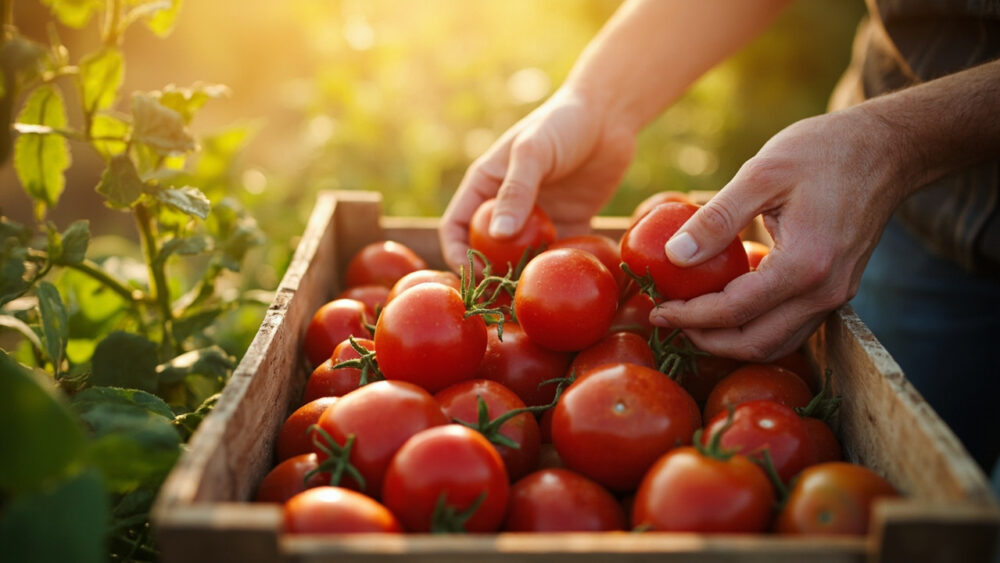
Counter storage is correct for any roma that’s already ripe and you plan to eat within the week. Stem side down, single layer, no plastic bag, out of direct sunlight. Stacking them or piling them in a bowl bruises the bottoms and speeds up rot from the inside out.
Romas are meatier and lower-moisture than a beefsteak or cherry tomato, which is exactly why they hold up longer on the counter than most people expect. Give them room to breathe and check them every couple of days.
If you’re staring at a bowl of rock-hard green-shouldered romas, counter storage still applies, just with more patience.
What If They’re Not Ripe Yet
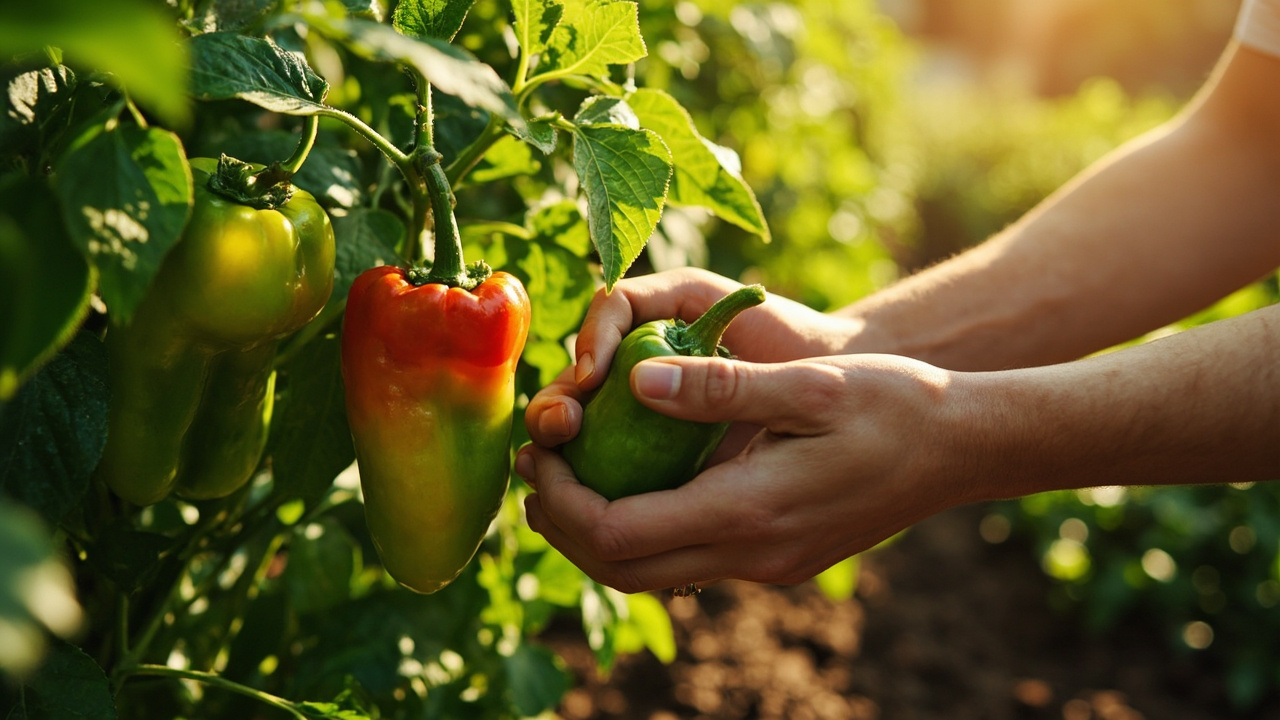
Here’s the part most guides skip. An underripe roma should never go in the fridge, and it also shouldn’t sit exposed on a sunny windowsill, no matter how much that speeds things up in your head.
Sun does not ripen a tomato faster, warmth does. A closed paper bag at room temperature, maybe with a ripe banana or apple tossed in for the ethylene gas, gets you there in 2 to 5 days depending on how far along it was. Check daily and pull ripe ones out immediately so they don’t over-soften against their neighbors.
Once they’re red and give slightly to a gentle squeeze, they move to the counter method above, not the fridge.
How Long Each Storage Method Actually Buys You
This is the honest breakdown, because “how long do tomatoes last” gets a different answer depending on what you’re doing with them.
- Counter, ripe: 5 to 7 days before quality drops noticeably.
- Fridge, ripe, cut or overripe only: 2 to 3 days, texture suffers but it slows mold.
- Freezer, whole or blanched and peeled: 8 to 12 months, best used cooked, not raw, after thawing.
- Dried or oven-roasted low and slow, then oil-packed or vacuum sealed: weeks in the fridge, up to a year in the freezer.
- Canned sauce or crushed, properly processed: 12 to 18 months shelf stable in a cool pantry.
The fridge is not really a storage method for fresh romas, it’s a stalling tactic for tomatoes you’ve already cut or that are starting to go soft and need a day or two of grace before you use them. Cold breaks down the cell walls and turns that firm roma texture mealy and the flavor flat, which is the single most common complaint people have about “store-bought tasting” tomatoes they grew themselves.
If longer storage is the goal, the prep you do before freezing or drying matters more than the method itself.
Prep That Makes or Breaks a Batch
Wash romas only right before you use or process them, never before storing them fresh. Water sitting on the skin invites mold and softens the fruit faster. A dry paper towel wipe is fine if they’re dusty from the garden.
For freezing, blanching is the step people skip and regret. Drop whole romas in boiling water for 30 to 45 seconds, then straight into ice water. The skins slip right off, and blanching also stops the enzyme activity that would otherwise turn your frozen tomatoes mushy and bland within a couple of months.
Skip blanching if you’re freezing them for sauce anyway and don’t mind peeling after thawing, since the skins actually loosen on their own once frozen and defrosted. But if you want clean, usable diced tomatoes later, blanch first.
For drying or roasting, cut romas lengthwise, since their oblong shape and lower water content make them dry more evenly than round varieties.
Get the prep right and the storage method almost takes care of itself.
The Sign Everyone Misses Until It’s Too Late
Most people watch for mold or obvious mushiness as the sign a tomato has turned. By the time you see either, you’ve usually lost the tomato next to it too.
The real early sign is a wrinkled, slightly loose skin near the stem end before any softening spreads. That’s the tomato telling you it’s losing moisture faster than it’s using it, and it’s your window to use it today, in cooked sauce or soup, rather than raw. A sour, slightly fermented smell is the next stage, and that one means compost it, don’t taste-test it to check.
Catching that wrinkle early is what separates a full week of usable romas from three good days and four wasted ones.
The Mistakes That Actually Ruin a Batch
Fridge storage for ripe, whole romas is mistake number one, and it’s the one that ruins the most flavor without ruining the tomato outright, so people don’t even connect the mush to the cause.
Mistake two is storing them touching or stacked. One soft spot spreads bacteria to whatever it’s pressed against, and you can lose half a bowl overnight from a single bad tomato hiding on the bottom.
Mistake three is skipping blanching before freezing and being surprised the thawed tomatoes are watery mush good for nothing but the compost bin. Mistake four is washing and storing wet, which speeds mold more than almost anything else on this list.
Every one of these is avoidable, and every one of them is common, so don’t feel bad if you’ve done two or three already.
Here’s everything from above, condensed for the fridge door or your phone’s lock screen.
Roma Tomatoes at a Glance
- Fresh, ripe storage: counter, stem side down, single layer, out of direct sun, lasts 5 to 7 days.
- Never the fridge for whole ripe tomatoes: reserve cold storage for cut pieces or fruit already going soft, 2 to 3 days max.
- Underripe romas: paper bag at room temperature with a banana or apple, ripens in 2 to 5 days, check daily.
- Freezing: blanch 30 to 45 seconds, ice bath, peel, freeze whole or diced, good for 8 to 12 months, best used cooked.
- Drying or roasting: halve lengthwise, oil-pack or vacuum seal, weeks in the fridge, up to a year frozen.
- Canned sauce: properly processed, 12 to 18 months shelf stable in a cool pantry.
- Early warning sign of spoilage: wrinkled skin near the stem, not mold, use that tomato today in cooked dishes.
If you remember one thing, remember this: the fridge is for emergencies, not storage.
Handle romas dry, keep them apart, and use the wrinkle as your warning, not the mold.