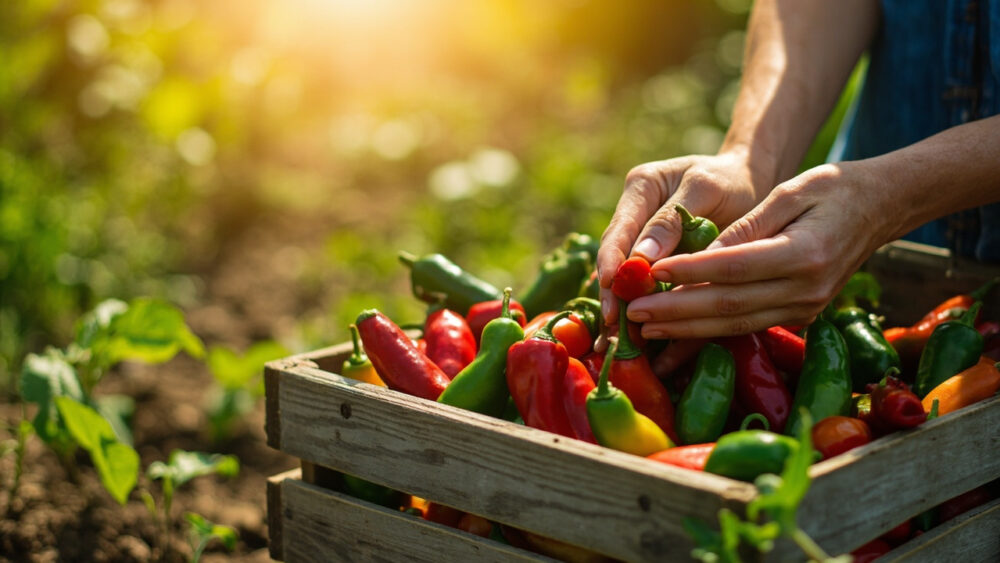
Fresh jalapenos keep best in the fridge, loose or in a paper-lined container, where they last 2 to 3 weeks. If you want them for months, freezing whole or sliced is the easiest route, and pickling or drying gets you flavor that lasts even longer. How to store jalapenos really comes down to how soon you plan to use them, and each method has a specific way to do it right and a specific way people wreck it by day three.
The mistake that ruins most jalapenos happens before they even get put away, and it is not what you think. Most people wash their peppers right after picking them, feeling proud of themselves for being tidy. That single habit is why half the peppers go slimy in the crisper drawer within a week.
There is also a sign of spoilage almost everyone misreads as ripening, and a freezer mistake that turns a whole bag into a solid brick you have to chip at with a butter knife. Stick around for the save-able Jalapenos at a Glance card at the bottom, it covers storage times, prep, and spoilage signs in one place you can screenshot before you forget it.
The Best Method: Fridge Storage Done Right
Skip the wash until you are ready to actually use the peppers. Moisture sitting on the skin is the number one reason jalapenos break down early, so if they are field-dirty, brush off loose soil with a dry cloth instead of rinsing.
Place unwashed jalapenos loose in the crisper drawer, or wrap them loosely in a paper towel and set them in a partially open produce bag. You want airflow, not a sealed, sweaty pocket of plastic.
Whole, unwashed jalapenos stored this way hold their snap and heat for 2 to 3 weeks in a fridge running at 40°F or below. Cut or sliced peppers go downhill faster, plan on using those within 4 to 5 days.
That fridge window is generous, but it is not the whole story once you need longer than a month.
How Long Jalapenos Actually Keep, Method by Method
Counter storage is the shortest option and honestly not recommended past a day or two. Room temperature speeds up softening and mold, so only leave peppers out if you are cooking with them same-day or the next morning.
Fridge storage, done the dry, loose way described above, gets you 2 to 3 weeks for whole peppers.
Freezing is where you get real longevity. Frozen jalapenos hold good flavor and heat for 8 to 12 months, though texture goes soft on thaw, which is fine for cooking but bad for fresh salsa.
Pickled jalapenos in a vinegar brine, refrigerated, last 1 to 2 months, sometimes longer if the ratio of vinegar to water stays acidic enough. Properly canned pickled jalapenos, processed in a boiling water bath following a tested recipe, keep 12 to 18 months in the pantry.
Dried or dehydrated jalapenos, stored airtight and away from light, last 6 to 12 months and can be ground into flake or powder anytime.
Each of those methods only works if the prep beforehand is right, and that is where most batches actually go wrong.
The Prep That Makes or Breaks the Batch
Sort before you store. Any pepper with a soft spot, a wrinkled patch, or a break in the skin needs to be used immediately or tossed. One bad pepper touching good ones in a sealed bag speeds up rot for the whole group.
Dry thoroughly if you did wash them. If you already rinsed your peppers before reading this, pat them completely dry with a towel and let them air-dry another 10 to 15 minutes before refrigerating. Trapped water is worse than no washing at all.
For freezing, wash, dry, then slice or leave whole and lay pieces on a tray in a single layer to freeze for an hour before bagging. This flash-freeze step is the part everyone skips, and it is exactly why frozen jalapenos usually turn into one solid clump instead of scoopable pieces.
Blanching is optional, not required, for jalapenos going into the freezer for cooking use. Skip it for salsas and hot sauce where raw flavor matters, but a quick 1 to 2 minute blanch before freezing does help peppers destined for cooked dishes hold color and crunch a bit longer.
Curing applies mainly to peppers you are drying whole. Let them air out on a screen or hang them by the stem in a warm, dry spot with good airflow for a few days before moving to a dehydrator or oven, this reduces surface moisture and cuts mold risk during the drying process.
Get the prep right and even a cheap plastic bag will outperform a fancy container with wet peppers inside.
The Ripening Look-Alike: Signs Your Jalapenos Have Actually Turned
Here is the sign almost everyone misreads. Jalapenos naturally develop faint white or tan lines, sometimes called corking or stretch marks, on the skin as they mature and get hotter. That is not spoilage, that is flavor.
Real spoilage looks different. Watch for soft, mushy spots that give under light pressure, wrinkled skin that looks deflated rather than lightly scored, and any fuzzy white, gray, or black growth, which is mold and means the pepper goes in the trash, not the pot.
A sour or off smell is another clear tell, fresh jalapenos smell green and slightly grassy, never sour or fermented unless you intentionally pickled them.
Slimy liquid pooling in the storage bag or container is the clearest sign of bacterial breakdown, and if you see it, check every pepper in that batch, not just the one that looks obviously bad.
Knowing that difference saves you from tossing perfectly good peppers, but the mistakes below are what create real spoilage in the first place.
The Mistakes That Actually Ruin a Batch
- Washing before storage: introduces moisture that speeds rot, always wash right before use instead.
- Sealing peppers in an airtight bag in the fridge: trapped humidity causes soft spots within days, use a partially open bag or loose crisper storage instead.
- Skipping the flash-freeze step: peppers clump into a solid mass, making it impossible to grab a few at a time.
- Storing bruised or nicked peppers with good ones: one compromised pepper accelerates decay in everything touching it.
- Using warm brine or an unbalanced vinegar ratio for pickling: shortens shelf life and raises spoilage risk, stick to a tested acidic ratio.
- Drying in a humid or poorly ventilated space: traps moisture in the flesh and invites mold before the peppers ever fully dry.
Fix those six habits and your storage method of choice will actually hit its full shelf life.
Jalapenos at a Glance
- Fridge storage: unwashed, loose in the crisper or a partly open bag, lasts 2 to 3 weeks whole, 4 to 5 days once cut.
- Freezer storage: flash-freeze sliced or whole peppers on a tray for an hour, then bag, lasts 8 to 12 months.
- Pickled and refrigerated: lasts 1 to 2 months in a proper vinegar brine.
- Canned and pantry-stored: lasts 12 to 18 months using a tested boiling water bath recipe.
- Dried or powdered: lasts 6 to 12 months stored airtight, away from light and heat.
- Signs of spoilage: soft mushy spots, deflated wrinkling, fuzzy mold, sour smell, or pooled slime, all mean discard.
- Not spoilage: faint white or tan corking lines on the skin, that is just ripening and extra heat.
Dry storage beats wet every time, no matter which method you pick.
Sort ruthlessly before you store, and one soft pepper never gets the chance to take down the rest of the batch.