Fresh figs last only 2 to 3 days at room temperature and about a week in the fridge, so the right way to store figs is unwashed, in a single layer, loosely covered, in the crisper drawer, not sealed in a bag on the counter. If you want them longer than a week, freezing whole or dried is the only real answer. Figs do not ripen further once picked the way a peach or tomato does, so what you’re storing is a fruit already at its peak and already starting its decline.
Most people make one mistake in the first ten minutes that costs them the whole batch, and it has nothing to do with temperature. There’s also a smell that tells you a fig has turned before mold ever shows, and almost nobody checks for it until it’s too late.
And if you’re standing there with a full basket wondering whether to freeze, dry, or just eat them fast, the honest answer depends on how many you actually have and how soon you’ll use them. Stick around for the Figs at a Glance card at the bottom, it’s the version worth saving to your phone before you forget half of this.
The Best Way to Store Fresh Figs
Do not wash figs until you’re ready to eat or use them. Water sitting on that thin skin is what invites mold overnight.
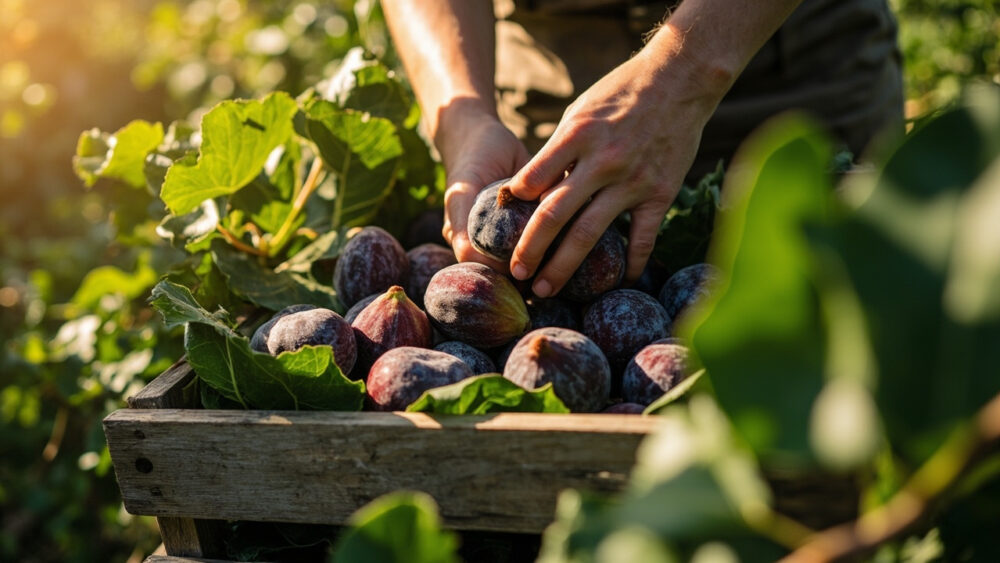
Lay them in a single layer on a plate or shallow container lined with a paper towel, stems up, so they aren’t touching or stacked. Cover loosely with another paper towel or a loose sheet of plastic, not a sealed bag. Sealed bags trap the moisture the fruit is releasing, and that moisture is exactly what turns a fig to mush by morning.
Set them in the fridge crisper drawer, ideally the higher-humidity setting if your fridge has one. Ripe figs go in the fridge, period, room temperature is only for figs that are still slightly firm and need another day to soften.
That single-layer rule is also where the freezer method starts to matter.
How Long Figs Actually Keep, Method by Method
Room temperature, ripe and soft: 1 to 2 days, sometimes 3 if your kitchen is cool. Fridge, unwashed, single layer: 5 to 7 days, occasionally longer for firmer varieties like some Kadota types.
Frozen whole: 8 to 12 months with almost no loss in flavor for baking and cooking, though texture goes soft once thawed, so frozen figs are for smoothies, sauces, and baked goods, not eating out of hand. Dried figs, properly cured: 6 to 12 months at room temperature in an airtight container, longer in the fridge or freezer.
The fridge is doing you a favor you might not expect: cold slows the enzymatic breakdown that turns fig sugars soft and weepy, but it doesn’t stop it, so even fridge figs are on a clock, not paused indefinitely.
Which method you pick really comes down to how many figs are sitting in that basket right now.
Freezing Figs the Way That Actually Works
If you assumed you can just toss whole figs in a freezer bag and call it done, that works, but it also means every fig freezes into one solid clump you’ll have to defrost all at once.
The better move: wash and dry figs gently, cut off the stems, and freeze them whole or halved on a parchment-lined tray for 2 to 3 hours until firm, a step called flash freezing. Only then transfer them to a freezer bag or container.
This keeps them separate so you can pull out three figs instead of thawing the whole bag. Press as much air out of the bag as you can, since air exposure is what causes freezer burn and off flavors over months of storage.
Label the bag with the date, because six months from now you will not remember when you froze them.
Prep, it turns out, matters just as much for fresh storage as it does for the freezer.
Prep That Makes or Breaks a Batch
Never wash figs before storing them fresh. Wash them right before you eat or cook with them, and dry them gently with a paper towel, since a wet fig skin is a mold farm waiting to happen.
Sort before you store, not after. Any fig with a split skin, a soft bruise, or a weeping bottom needs to be used or eaten that day, it will not hold in the fridge with the others and it will speed up decay in whatever it’s touching.
If you’re drying figs, they need to be fully ripe but firm, cut in half if large, and dried at a low temperature, around 135 to 140 degrees F in a dehydrator or a very low oven, until leathery and pliable with no soft or wet centers, which usually takes 12 to 24 hours depending on size and humidity.
Under-dried figs are the single biggest reason home-dried batches mold in storage within a couple of weeks.
Knowing what a turned fig looks and smells like will save you from finding that out the hard way.
The Sign Everyone Misses Until It’s Too Late
Visible mold, usually a white or grayish fuzz near the stem, is the obvious sign, and any fig showing it should be thrown out, not trimmed and saved.
The sign almost everyone misses is smell, not sight. A fig that’s turning gives off a sharp, sour, almost boozy smell before any mold appears, because the natural sugars are starting to ferment. If a fig smells like it’s a little drunk, it’s done, even if it still looks fine.
A weepy, sticky puddle under a fig in storage is another early tell, that’s sugar and juice leaking through a skin that’s starting to break down. Once one fig in a container starts leaking or smelling sour, check every fig touching it, since decay spreads fast in that close, humid contact.
Trust your nose over your eyes here, it catches the problem days earlier.
Most of the mistakes that ruin a batch trace right back to skipping these checks.
The Mistakes That Actually Ruin Figs
The single most common mistake is sealing washed, wet figs in an airtight container and putting them in the fridge, expecting them to keep like berries. That combination of trapped moisture and no airflow turns a whole layer moldy within two days.
- Storing them in a crowded pile: figs bruise and weep against each other, and one bad fig speeds up the ones around it.
- Leaving them on the counter past the point of full ripeness: figs don’t ripen further once picked, so waiting “for them to soften more” just means waiting for them to spoil.
- Freezing without flash-freezing first: you end up with a solid block and have to thaw far more than you need.
- Under-drying for dried storage: any soft, damp spot in a “dried” fig is where mold starts within weeks.
- Refrigerating unripe, firm figs immediately: cold stalls the last bit of softening they need, so let barely-firm figs sit out a day first, then refrigerate.
Every one of these is avoidable, and most of them take an extra thirty seconds of attention when you first bring the figs home.
Here’s the whole thing condensed, worth saving before your figs start turning.
Figs at a Glance
- Fresh, unwashed, in the fridge: single layer, loosely covered, lasts 5 to 7 days.
- Room temperature: only for figs that need another day to soften, lasts just 1 to 2 days once ripe.
- Frozen whole: flash freeze on a tray for 2 to 3 hours, then bag with air pressed out, lasts 8 to 12 months.
- Dried: dry at 135 to 140 degrees F until leathery with no damp centers, store airtight, lasts 6 to 12 months.
- Never wash before storing: wash only right before eating or cooking.
- Sign it’s turning: a sour, boozy smell shows up before mold does, trust your nose.
- Sort immediately: any split, bruised, or weeping fig gets used that day, not stored with the rest.
Figs are a short window, not a slow burner, so plan around days, not weeks.
Smell before you look, and you’ll catch trouble a full day before your eyes ever would.