Growing dragon fruit from seed works, and it is honestly one of the easier exotic fruits to sprout. Scoop seeds from a ripe dragon fruit, rinse off the pulp, press them into damp seed mix, and keep them warm and lightly moist. You will see sprouts in 7 to 21 days.
Here is the part nobody tells you before you start: a seed-grown dragon fruit can take 4 to 7 years to fruitsometimes longer, because seedlings are juvenile plants that have to grow up before they bloom. If you want fruit fast, you graft or root a cutting. If you want the experience of growing one from scratch, and you are patient, seed is a genuinely fun project.
Before you get there, there are a few things that trip people up badly. One is planting seeds too deep, which is the single most common reason trays sit empty for a month. Another is assuming a leggy young seedling is dying when it is actually just doing exactly what dragon fruit seedlings do. And there is a question you have not asked yet but will: what does the plant even look like on its way to becoming the cactus-like vine you picture. Stick around, all of that gets answered, and there is a save-able Dragon Fruit at a Glance card waiting at the bottom.
When to Start Dragon Fruit Seeds
Dragon fruit is a tropical cactus, and it does not care about your frost date the way tomatoes or peppers do because it is started indoors regardless. The real trigger is temperaturenot the calendar. You want a spot that stays reliably between 70 and 90°F, so late winter to early spring indoors gives seedlings a full warm season to size up before their first potential outdoor stint.
If you live somewhere warm year-round, USDA zone 10 or 11, you can start seeds any time. Everyone else starts indoors and treats the seedling as a houseplant for its first year or two, moving it outside only once nights stay above 50°F.
Direct sowing outdoors is not recommended. Seeds are tiny and get lost or washed away, and outdoor temperature swings are exactly what slows germination down.
Next comes the part that actually determines whether you get sprouts at all.
Sowing Dragon Fruit Seed Step by Step
1. Extract and clean the seed
Scoop pulp from a ripe dragon fruit, drop it in a cup of water, and swish it around. The tiny black seeds sink, the pulp floats. Strain and let the seeds air dry on a paper towel for a day.
2. Choose the medium
Use a well-draining seed starting mix, ideally cut with perlite or coarse sand at about a 3 to 1 ratio. Dragon fruit is a cactus at heart and hates staying soggy even as a seedling.
3. Sow shallow, not deep
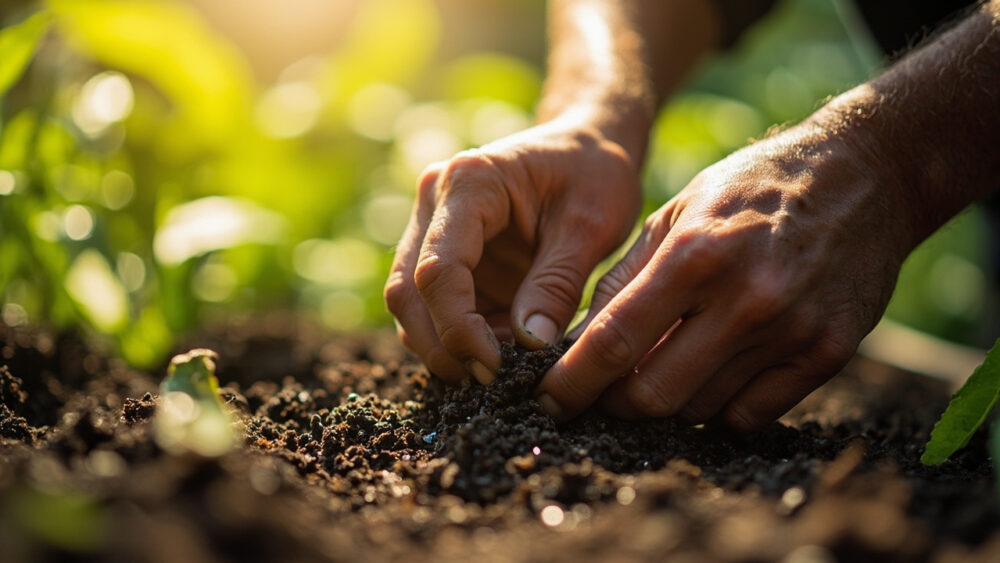
Press seeds onto the surface and dust them with a thin layer of mix, no more than 1/8 inch. Buried deep, they simply will not germinate. These seeds need light to trigger sprouting.
4. Set temperature and light
Keep the tray at 75 to 85°F, using a seedling heat mat if your house runs cool. Bright indirect light is enough at this stage; direct blasting sun on a bare tray can bake tiny seedlings.
5. Manage moisture
Mist daily and cover the tray with a humidity dome or plastic wrap to keep things from drying out. Crack the cover once you see sprouts to prevent mold.
Now the waiting starts, and this is where most people panic too early.
Germination: What to Expect, and When to Actually Worry
Expect the first sprouts in 7 to 14 days under good warmth, sometimes stretching to 21 days if your room runs cooler than 75°F. They emerge as tiny reddish-green threads, not looking anything like a cactus yet.
If you assumed a thin, floppy, almost grass-like seedling means something is wrong, that guess is backwards. That gangly stage is completely normal. Dragon fruit seedlings look nothing like mature plants for the first several months, and they often flop sideways before thickening up.
What actually signals trouble is different: a seedling that turns black or mushy at the base, or a tray that smells sour, points to damping off from too much moisture and not enough airflow. Pull the cover, thin out crowded seedlings, and let the surface dry slightly between mistings.
Past the three-week mark with zero sprouts and steady warmth usually means the seed was not viable or was buried too deep to begin with.
Once seedlings have a few weeks of growth, the next milestone is toughening them up for a bigger pot or the outdoors.
Hardening Off and Transplanting Seedlings
Wait until seedlings are 2 to 3 inches tall and starting to show the ribbed, more cactus-like texture before any move to bigger pots, usually 6 to 10 weeks after sprouting. Moving them too young, while they are still thread-thin, sets growth back hard.
If the plan includes time outdoors, harden off gradually over 7 to 10 days: a couple hours of shaded outdoor time the first days, building up exposure, and only into direct sun once they are acclimated. Skipping this step is the second big mistake, right behind sowing too deep, and it shows up as bleached, sunburned patches on stems within a day or two of a rushed move outside.
Transplant into a well-draining cactus or succulent mixin a pot with generous drainage holes. Dragon fruit roots rot fast in anything that holds water.
Once it is settled into its new pot, the plant shifts from delicate seedling to genuinely tough grower.
Season-to-Season Care
Dragon fruit wants bright light, ideally 6 or more hours of sun, though young plants appreciate light afternoon shade in the hottest climates to avoid scorch. Water when the top 2 inches of soil are dry, then soak thoroughly and let it drain completely.
Overwatering, not underwatering, kills more dragon fruit than anything else. This is a cactus. It stores water in those thick segmented stems and would rather be slightly neglected than kept wet.
Feed lightly during the growing season with a balanced or cactus-specific fertilizer, cutting back in winter when growth slows. As the plant grows, it needs a trellis or post to climb, since dragon fruit is a vining cactus that sprawls without support.
Below 50°F, bring container plants indoors or provide frost protection outdoors; dragon fruit is not frost-hardy and a hard freeze will kill stems outright.
All of that keeps the plant alive and growing, but fruit is the part everyone is actually waiting for.
When Dragon Fruit Actually Blooms and Fruits
Here is the honest timeline: a seed-grown plant typically needs 4 to 7 years of size and maturity before it blooms at all, sometimes longer indoors with limited light. This is the true answer to the question everyone eventually asks, which is why it hasn’t fruited yet, even though it looks healthy.
When it finally does bloom, expect large, fragrant white flowers that open at night and close by morning, often called moonflowers. Most dragon fruit needs cross-pollination between two genetically different plants for reliable fruit set, so a single seedling may flower for years without producing fruit unless you hand-pollinate with pollen from a different plant or variety.
Fruit follows the bloom by about 30 to 50 days, ripening from green to deep pink or yellow depending on variety, with skin that gives slightly under gentle pressure when ready.
If fruit is the real goal on a normal timeline, a rooted cutting from an established plant will get you there in 1 to 2 years instead, which is worth knowing before you commit to seed alone.
Dragon Fruit at a Glance
- When to start seed: indoors, any time you can hold 75 to 85°F, ideally late winter to early spring for a full warm season of growth.
- Sowing depth: on the surface or barely covered, no more than 1/8 inch, since seeds need light to germinate.
- Germination window: 7 to 21 days at consistent warmth. Past three weeks with no sprouts, start over.
- Transplant timing: once seedlings reach 2 to 3 inches tall, usually 6 to 10 weeks after sprouting.
- Light and water: bright light, 6-plus hours ideally, water only when the top 2 inches of soil are dry.
- Support: a sturdy trellis or post, since this is a climbing, sprawling cactus.
- Time to fruit from seed: 4 to 7 years, often longer, and most varieties need a second, genetically different plant to pollinate and set fruit.
The seed itself is the easy part, patience is the real crop you are growing here.
Keep the roots dry, the light bright, and the timeline honest, and the plant will eventually reward you.