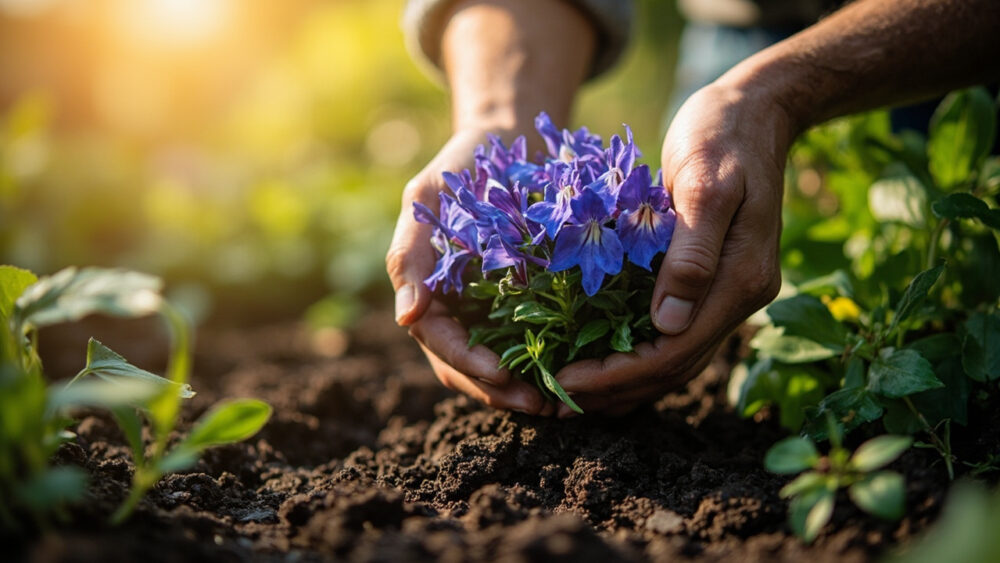
Lobelia grows best from nursery starts or seed set out two to three weeks before your last frost, spaced 6 to 12 inches apart in soil that stays evenly moist and gets at least half a day of sun. It is not a plant that forgives neglect, but it is also not fussy about much beyond water. Learning how to grow lobelia mostly comes down to timing and consistency, and most of the trouble people hit is avoidable once you know what to watch for.
Here is what trips people up: the plants look thriving in June and then collapse into a brown, gappy mess by mid-July, and almost everyone blames the heat when the real culprit is something they did back at planting time. There is also a sign in the foliage that tells you a feeding problem exists weeks before the flowers show it. And if you are wondering whether that second flush of bloom is even possible, the honest answer surprises a lot of first-time growers.
Stick with me through the planting and care steps below, because at the very bottom I have put a save-able Lobelia at a Glance card with the exact numbers you will want on hand all season.
When to Plant Lobelia
Lobelia is a cool-season lover that sulks in heat, so timing is not just about frost, it is about beating summer.
Set plants out two to three weeks before your average last frost date, once soil temperature has climbed to at least 50 to 55°F. Light frost rarely bothers established lobelia, but hard freezes will damage young transplants.
In zones 8 and warmer, treat lobelia as a fall-through-spring annual instead, planting in early autumn for cool-weather bloom straight through winter into spring.
In colder zones, if you are starting from seed indoors, sow 10 to 12 weeks before that last frost date since the seed is slow and the seedlings are tiny.
Get the timing right and you have already dodged the biggest reason lobelia plants fail before July.
Choosing the Spot and Prepping the Soil
Lobelia wants morning sun and afternoon shade in warmer climates, or full sun where summers stay mild. Full blasting afternoon sun in a hot climate is the fastest way to fry it by midsummer.
Soil matters more than sun here. Lobelia needs soil that holds moisture without staying waterlogged, rich in organic matter.
Work 2 to 3 inches of compost into the top 6 to 8 inches of soil before planting. If your soil is heavy clay or fast-draining sand, that compost step is not optional, it is the difference between lobelia that lasts all season and lobelia that dies in a hot week.
A raised bed, container, or hanging basket with quality potting mix solves the soil question entirely, which is part of why lobelia is such a popular basket and window box plant.
Now for the part most guides skip: how deep and how far apart you actually put these in the ground.
Planting Lobelia Step by Step
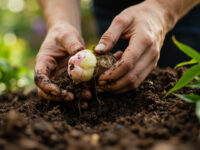
- Depth: set transplants at the same depth they sat in their nursery pot, do not bury the crown.
- Spacing: 6 to 8 inches apart for trailing basket types, 8 to 12 inches for upright bedding types.
- Technique: loosen the root ball gently before planting, since lobelia roots are fine and can circle tightly in a small pot.
- Watering in: soak thoroughly right after planting, then keep soil consistently moist for the first two weeks while roots establish.
- Seed sowing: if starting from seed, scatter it on the soil surface and barely press it in, lobelia seed is tiny and needs light to germinate, so covering it will stop it cold.
Get the plants in the ground correctly and the next challenge is keeping them alive through the first heat wave.
Watering and Feeding Through the Season
This is where most lobelia dies, and it is almost never the heat itself. The real killer is letting the soil dry out even once during a hot stretch. Lobelia’s fine root system cannot chase water down like a deep-rooted perennial can, so a day or two of dry soil during 85°F-plus weather is often enough to kill the whole planting.
Check soil moisture by feeling an inch down. If it is dry there, water deeply until it runs from the pot’s drainage holes or soaks a good 6 inches into garden soil.
Containers and hanging baskets may need water daily in hot weather since they dry out fast.
Feed every three to four weeks with a balanced liquid fertilizer diluted to label strength. If leaves turn pale yellow between the veins while the plant still looks otherwise healthy, that is usually a nitrogen or iron shortage, not a watering problem, and a feeding will fix it faster than more water will.
Keep that soil consistently damp and fed, and you will avoid the single biggest cause of midsummer collapse.
Problems to Watch For
Beyond drought stress, lobelia deals with a short list of repeat offenders.
Heat stall shows up as fewer flowers and leggy, stretched stems once daytime temperatures push past 85 to 90°F consistently. This is normal dormancy behavior, not disease, and the plant usually resumes blooming once temperatures ease.
Root rot from soggy, poorly draining soil causes wilting that looks identical to drought stress, which fools a lot of gardeners into watering more and killing the plant faster. If the soil is already damp and the plant is wilting, stop watering and check drainage instead.
Aphids occasionally cluster on new growth. A strong water spray or an insecticidal soap applied per the label handles most infestations without drama.
Powdery mildew can appear in humid, still air with poor spacing. Improve air circulation first, and treat with a fungicide labeled for powdery mildew if it persists, following the product instructions exactly.
Handle these early and lobelia rewards you with the one move most people think is impossible partway through summer.
When and How Lobelia Blooms, and the Midseason Trick
Lobelia typically starts blooming 10 to 12 weeks after sowing from seed, or within a few weeks of setting out nursery transplants, and keeps flowering in flushes rather than one continuous bloom.
Here is the part most people never try: when flowering slows or stalls during a heat stall, shear the plant back by about one-third to one-half. It looks drastic and it looks wrong, but lobelia responds to a hard midseason trim with a fresh flush of blooms once temperatures cool again in late summer or fall.
This is not harvesting in the vegetable-garden sense, since lobelia is grown for its flowers in the bed or basket, not cut for the table. Deadheading spent blooms on upright varieties encourages more flowers, though trailing types are usually easier to just shear back wholesale.
That shear-back trick is the single best-kept secret for stretching lobelia’s bloom season into fall, and now the full picture is on this card.
Lobelia at a Glance
- When to plant: two to three weeks before last frost, once soil hits 50 to 55°F, or in early fall for zones 8 and warmer as a cool-season bloomer.
- Spacing: 6 to 8 inches for trailing types, 8 to 12 inches for upright bedding types.
- Planting depth: same depth as the nursery pot, crown uncovered, seeds barely pressed into the soil surface.
- Light: morning sun with afternoon shade in hot climates, full sun where summers stay mild.
- Water: keep soil consistently moist, check an inch down daily during heat over 85°F.
- Feeding: balanced liquid fertilizer every three to four weeks at label strength.
- Bloom timing: 10 to 12 weeks from seed, flushes through the season, shear back by a third to a half after a heat stall to trigger reblooming.
The one thing to remember: lobelia forgives almost nothing about dry soil, so consistent moisture beats every other fix you might try.
Get the water right and the rest of this plant takes care of itself.