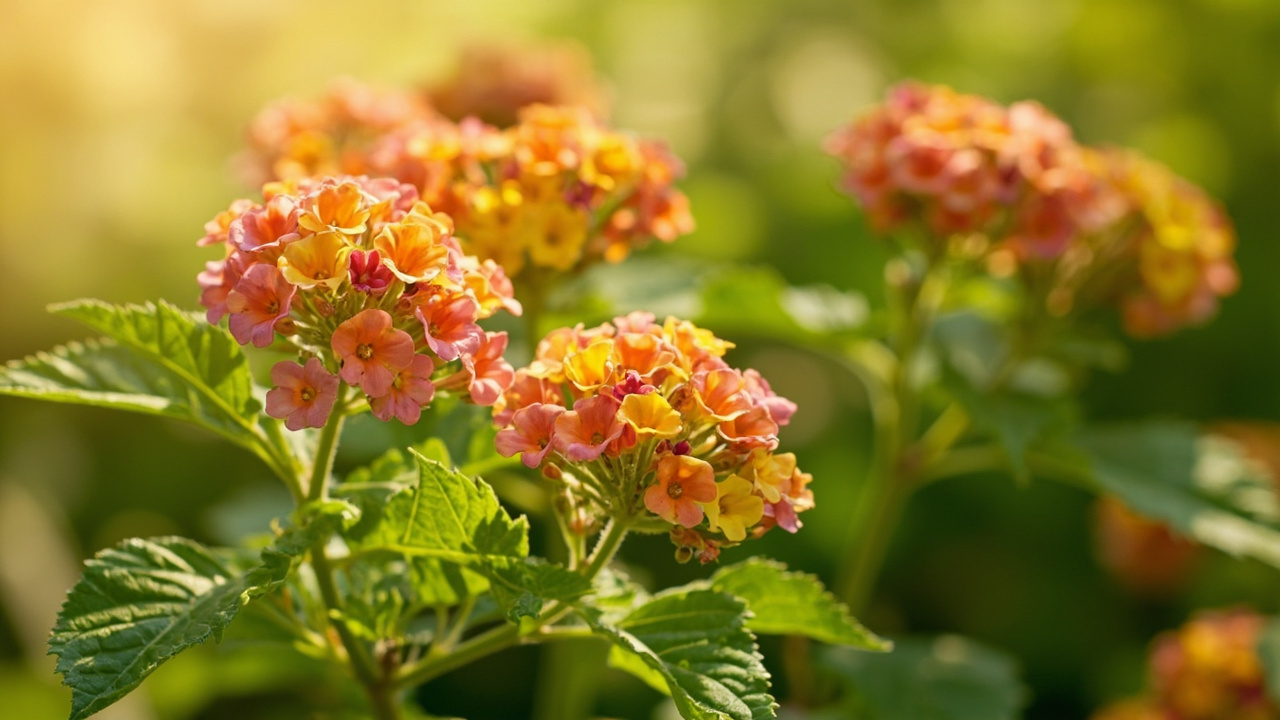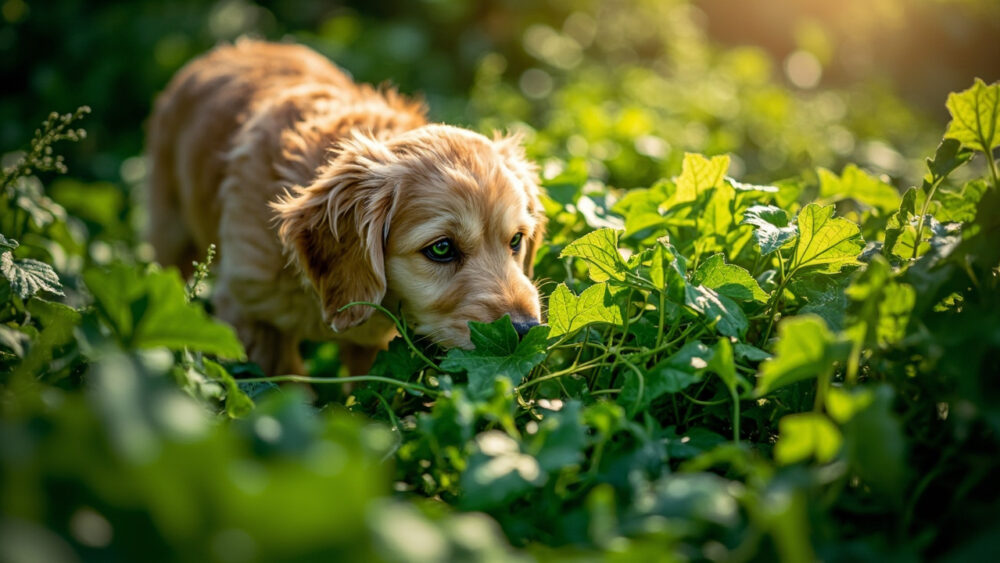
Yes, ivy is toxic to dogs. This applies to English ivy (Hedera helix), the common climbing or trailing houseplant and groundcover, and to most other true ivy species you’re likely to have in a pot or growing up a fence. The leaves are the biggest concern, they contain compounds that irritate the mouth, throat, and gut, and the berries are worse.
But the answer to is ivy toxic to dogs isn’t quite the same for every dog or every plant. How much your dog actually ate, which part they got into, and how big your dog is all change whether you’re watching for mild drooling or making an urgent call.
Below I’ll walk through what’s actually dangerous, the signs to watch for, exactly what to do if your dog took a bite, and a few safer look-alikes if you want that trailing green look without the risk. Save-able quick-reference card is at the bottom.
So Is Ivy Actually Poisonous, or Just “Not Great”?
It’s genuinely toxic, not just mildly irritating. English ivy contains triterpenoid saponins, concentrated most heavily in the leaves and berries.
These compounds are the plant’s own defense against being eaten, and they don’t care whether the mouth chewing them belongs to a deer or a Labrador.
Most cases from a curious nibble or two end up mild, causing gastrointestinal upset rather than anything life-threatening. That said, mild doesn’t mean ignore it, and larger ingestions or a small dog getting into a bigger amount changes the picture fast.
Next: which part your dog actually got into matters more than people assume.
Leaves vs. Berries vs. Stems: Does It Matter What They Ate?
If you assumed a nibbled leaf and a mouthful of berries are the same emergency, that’s the guess that trips people up. They’re not equal.
Leaves are the most commonly chewed part, since they’re what’s within reach on a houseplant or a groundcover mat. They cause the classic irritation: drooling, lip-licking, vomiting.
Berries, produced on mature outdoor ivy that’s been allowed to flower and fruit, carry a more concentrated dose of the same toxic compounds and are the bigger worry if your dog has access to an established, fruiting vine.
Stems and roots contain the compounds too but are rarely what dogs actually chew through in quantity, so they’re a lower practical risk indoors.
Quantity and dog size do the rest of the math: a 10-pound terrier eating a few leaves is a different conversation than an 80-pound dog doing the same.
Knowing what they ate helps, but knowing what to watch for afterward is what actually protects your dog.
Signs an Ivy Reaction Looks Like This
Watch for excessive drooling, pawing at the mouth, vomiting, diarrhea, and visible mouth or lip irritation. Some dogs get lethargic or lose interest in food for a bit afterward.
The saponins in ivy sap and berries can also cause skin irritation or redness on contact, separate from what happens if it’s eaten, so a dog that’s been rubbing through a dense ivy patch outdoors can show mouth or skin irritation even without a big bite taken.
These signs usually show up within a few hours of exposure, not days later, which is one thing in your favor when you’re trying to connect the dots.
None of this is a wait-and-see situation on your own, and here’s exactly why.
My Dog Ate Ivy. What Do I Do Right Now?
Call your veterinarian or an animal poison control line immediately, even if your dog seems fine so far. Don’t wait for symptoms to confirm it before you call.
Have this ready when you call, it speeds everything up:
- Roughly how much was eaten (a nibble, a mouthful, a whole stripped stem)
- Which part, leaves, berries, or a mix
- How long ago it happened
- Your dog’s weight
- Whether it was a houseplant ivy or an outdoor variety with berries
If you can, bring a photo of the plant or a clipped leaf with you, or have it ready to show over video, since it helps confirm exactly what you’re dealing with.
Do not induce vomiting or give any home remedy on your own. That decision depends on timing and your dog’s condition, and it’s the vet’s call to make, not yours from a search result.
Once your dog’s checked out, you’ll probably want to know how to keep this from happening again.
Safer Plants If You Love the Look of Trailing Green
You don’t have to give up the cascading-vine look to keep a dog safe. A few good substitutes:
- Spider plant (Chlorophytum comosum): non-toxic, forgiving, trails nicely from a hanging pot
- Swedish ivy (Plectranthus verticillatus): not a true ivy despite the name, and considered non-toxic
- Pothos and philodendron look similar but are NOT safe substitutes, both are toxic to dogs too, so don’t swap one problem plant for another
- Boston fern: non-toxic, full and trailing, does well in a hanging basket indoors
Outdoors, if you’re using ivy as a groundcover specifically because it’s tough and low-maintenance, creeping thyme or barren strawberry cover similar ground without the toxicity concern, though neither climbs like ivy does.
Here’s the full picture in one place, worth saving to your phone.
Ivy: Quick Reference
- Toxic to dogs: yes, English ivy and most true ivy species, due to triterpenoid saponins
- Most dangerous part: berries on mature outdoor plants, followed by leaves
- Common signs: drooling, mouth irritation, vomiting, diarrhea, lethargy
- Skin contact: can also cause irritation or redness, separate from ingestion
- What to do: call your veterinarian or animal poison control right away for any suspected ingestion, no home treatment
- Safer alternatives: spider plant, Swedish ivy, Boston fern for trailing greenery, avoid pothos and philodendron as swaps
Ivy is a genuinely useful, tough plant, it’s just not one to grow within reach of a curious dog.
When in doubt about anything your dog ate, the phone call costs you nothing and buys real peace of mind.