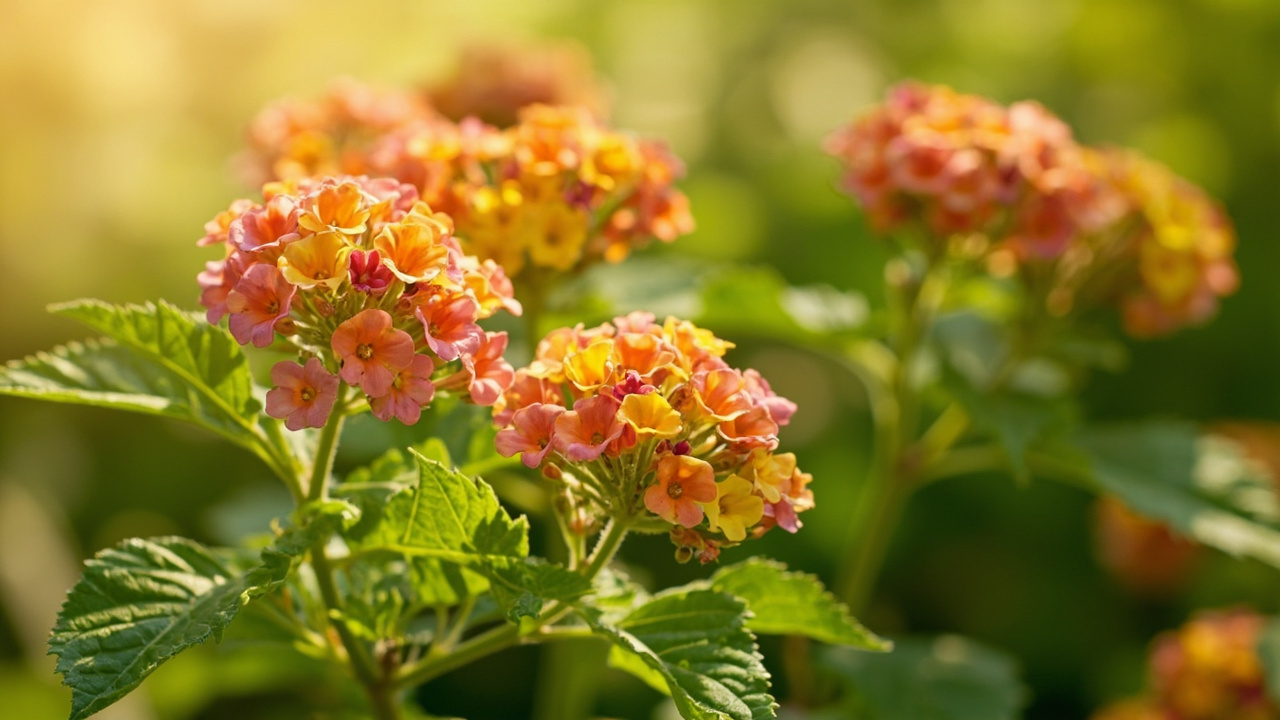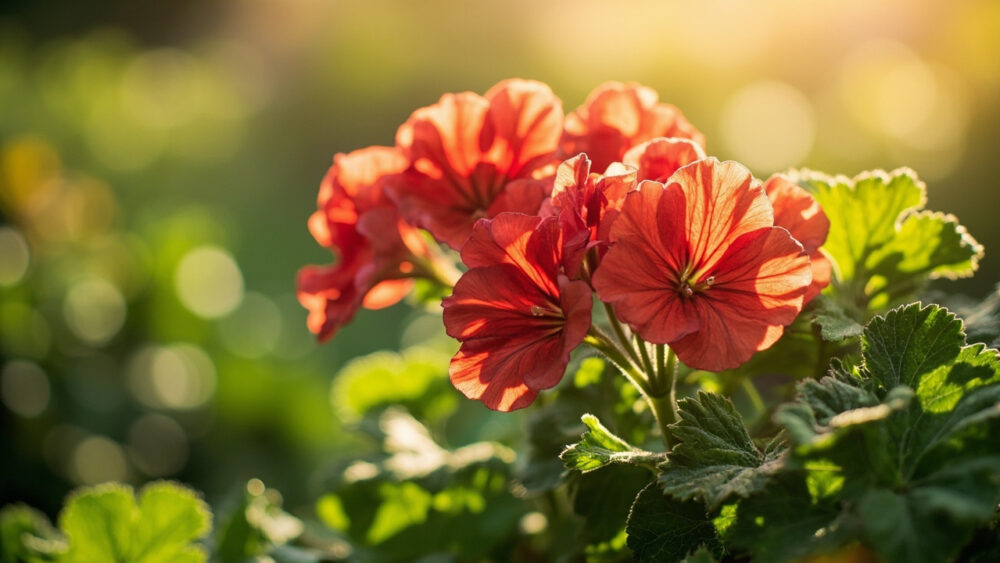
The honest answer: it depends on which geranium you mean and where you live. True hardy geraniums (the perennial kind, sometimes called cranesbill) come back reliably every year in USDA zones 3 through 8. The geraniums in most patio pots and hanging baskets are actually pelargoniums, and those only survive winter outdoors in zones 10 and 11. Everywhere colder, they either die at first frost or need help getting through the season.
That split answers most of the question, but not all of it. There’s a specific mistake that kills overwintering attempts even when the gardener does everything else right, and a five-minute check on your own plant right now that tells you more than any zone map can.
There’s also a real decision buried in here: sometimes fighting to save a geranium through winter costs more time than it’s worth, and treating it as an annual is the smarter move. Stick around, because the save-able quick-reference card at the bottom sorts all of this by zone and plant type so you never have to guess again.
Perennial, Annual, or “It Depends”: Sorting Out Which Geranium You Have
If your plant has small, delicate flowers and a mounding, spreading habit, and it’s planted in the ground in a cold-winter climate, you likely have a true hardy geranium. Those are perennial in zones 3 through 8 and will return on their own every spring, dying back to the crown in winter and resprouting once soil warms.
If your plant has big, showy flower clusters, thick rounded leaves, and lives in a pot, hanging basket, or window box, it’s almost certainly a pelargonium (nurseries still sell these as “geraniums,” which is where the confusion starts). These are perennial only in zones 10 and 11.
In zones 3 through 9, pelargoniums are grown as annuals unless you intervene.
The zone check matters more than the calendar. A frost date tells you when trouble starts, but your zone tells you whether trouble is fatal.
Once you know which type you’re holding, the winter forecast for that plant gets a lot less mysterious.
What Happens to Geraniums Over Winter
Hardy geraniums in the ground go dormant. The foliage may brown and collapse after a hard frost, and that’s normal, not death.
The root crown stays alive underground and pushes new growth once soil temperatures climb back above roughly 40 to 50°F in spring.
Pelargoniums left outside in a cold zone are a different story. A frost in the high 20s to low 30s Fahrenheit will blacken and collapse the foliage within a day or two, and once the stems go soft and mushy, that plant is finished. There’s no reviving a pelargonium after a hard freeze has killed the stem tissue.
If you assumed a wilted, blackened geranium just needs water, that guess wastes a week you don’t have. Frost damage looks limp for the same reason drought stress does, but the cause is dead cells, not thirst, and no amount of watering brings those cells back.
Knowing the difference between dormant and dead is what decides your next move.
How to Actually Get a Pelargonium Through Winter
You have three realistic options, and they trade effort for certainty.
- Bring the whole pot indoors: before your first frost, move it to a bright window that gets at least four to six hours of light, keep it on the dry side, and expect leggy, sparse growth until spring.
- Take cuttings: snip 3 to 4 inch stem tips, strip the lower leaves, let the cut end callus for a few hours, then root them in barely damp potting mix. This is the most reliable method and gives you fresh plants instead of a tired survivor.
- Store it bare-root dormant: dig the whole plant, shake off the soil, and hang it upside down in a cool, dark spot (a basement or garage staying around 45 to 55°F works) for winter, then repot in spring. This method has the highest failure rate but takes almost no space.
Whichever method you choose, the plant needs to be moved or cut before a hard freeze, not after.
The next question is whether that effort is actually worth it for your plant.
When Treating It as an Annual Is Honestly the Better Call
If your winters run consistently below 20°F and you don’t have bright indoor space, overwintering a pelargonium is a lot of fuss for a plant that will look ragged by March anyway.
Buying fresh geraniums each spring isn’t a failure, it’s just the standard practice in most of the country, and it guarantees full, healthy plants instead of a leggy survivor limping out of a dark basement.
Cuttings are the exception worth making time for: they’re nearly free, take up a windowsill instead of a whole pot, and give you several strong new plants instead of one exhausted one.
If you’ve got the space and the light, save it. If you don’t, don’t feel bad about starting over.
Either way, here’s the answer sorted out for good.
Geraniums: Quick Reference
- True hardy geraniums (cranesbill): perennial and come back every year in zones 3 through 8, dying back to the crown in winter.
- Pelargoniums (common potted “geraniums”): perennial only in zones 10 and 11, treated as annuals everywhere colder unless overwintered.
- Frost tolerance: pelargonium foliage is killed by temperatures in the high 20s to low 30s Fahrenheit, and stem collapse means the plant is dead, not dormant.
- Best overwintering method: take 3 to 4 inch stem cuttings before frost and root them indoors, more reliable than saving the whole plant.
- Alternative methods: move the whole pot to a bright indoor window, or store the bare-root plant dormant at 45 to 55°F.
- Spring return: hardy geraniums resprout once soil warms past roughly 40 to 50°F, no action needed from you.
- When to just start over: if winters run below 20°F and you lack bright indoor space, buying new pelargoniums each spring is the practical choice.
Whichever kind you’re growing, you now know exactly what to expect when the weather turns.
Mark your zone and your plant type, and next winter you’ll make the call in seconds instead of guessing.