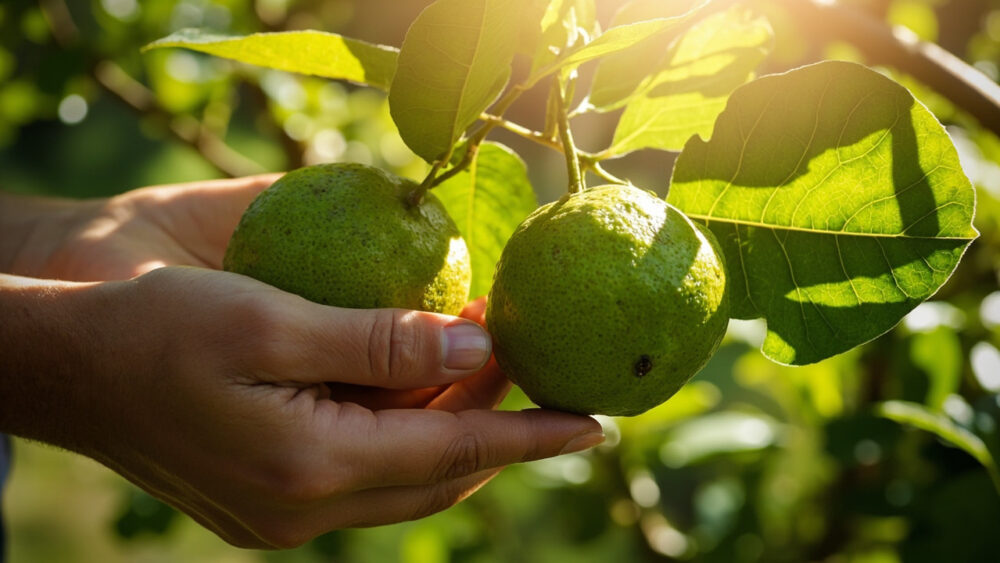
If you want to know how to grow limes, here’s the short version: plant a grafted lime tree in full sun after all frost risk has passed, give it fast-draining soil, water deeply but infrequently, and expect your first real harvest 2 to 3 years after planting, with fruit taking 6 to 9 months to mature from bloom. Limes are more cold-sensitive than lemons, so where you live decides almost everything about how you grow one.
Most people who kill a lime tree do it in the first month, and not from cold. They do it with kindness, specifically overwatering a tree sitting in a pot or bed that never drains. That single habit accounts for more dead citrus than any pest or frost ever will.
There’s also a sign everyone misreads: yellow leaves. Growers assume it means thirst and water more, which is exactly backwards half the time. And if you’re wondering when your tree will actually fruit, the honest answer surprises most first-timers. Stick with me, because the full breakdown, including the save-able Limes at a Glance card with every number in one place, is waiting at the bottom of this guide.
When to Plant Limes
Timing depends entirely on your climate. Lime trees are tropical to subtropical and cannot tolerate frost, so if you’re planting in the ground, wait until nighttime temperatures reliably stay above 40°F and all frost danger has passed. In most regions that’s 2 to 4 weeks after your last frost date.
Limes are hardy outdoors year-round only in USDA zones 9 through 11. If you garden in zone 8 or colder, plan to grow your lime in a container you can move indoors or into a garage or greenhouse before temperatures drop below 50°F in fall.
Soil temperature matters more than the calendar. Citrus roots stall out and sulk when soil is below 55°F, so don’t rush a spring planting just because the air feels warm.
Get the timing right and the next decision, where exactly to put it, decides most of what happens next.
Choosing the Spot and Prepping the Soil
Lime trees want at least 6 to 8 hours of direct sun a day and a spot shielded from harsh wind, which can shred young growth and knock off blossoms. A south-facing wall or fence line is ideal in cooler climates because it holds and reflects heat.
Drainage is non-negotiable. Limes hate wet feet, and soggy, compacted soil is the fastest route to root rot. If water pools in a spot 30 minutes after a hard rain, plant somewhere else or build a raised mound 12 to 18 inches high.
Aim for slightly acidic soil, roughly pH 6.0 to 6.5. Work several inches of compost into the top 12 inches of native soil before planting, but skip heavy manure or fresh fertilizer at this stage, it can burn young roots.
This is also where the overwatering mistake starts, before the tree is even in the ground.
Planting a Lime Tree Step by Step
Whether you’re planting a bare-root sapling or a container-grown nursery tree, the technique is the same and mistakes here are hard to undo later.
1. Dig the right hole
Dig a hole twice as wide as the root ball but no deeper. Planting too deep is one of the most common and hardest-to-fix mistakes with citrus.
2. Check the graft union
Most lime trees are grafted. Keep the graft union, the swollen bump on the lower trunk, at least 2 to 4 inches above the final soil line so it never sits below grade or gets buried by mulch.
3. Set and backfill
Loosen the roots gently, set the tree so the top of the root ball sits slightly above surrounding soil, and backfill with your amended soil. Firm it down but don’t compact it hard.
4. Space it properly
Give standard lime trees 12 to 15 feet from other trees or structures. Dwarf varieties, which is what most home growers plant, need only 6 to 8 feet.
5. Water it in
Soak the root zone thoroughly right after planting to settle the soil and eliminate air pockets around the roots.
Once it’s in the ground, the real test starts, and it’s the watering habit that trips up almost everyone.
Watering and Feeding Through the Season
Here’s the mistake that ruins most lime trees: people water on a schedule instead of checking the soil. Push a finger 2 inches down; if it’s still moist, wait. Water deeply and let the top few inches dry out between waterings rather than giving frequent shallow sips.
Now the yellow leaf sign everyone misreads. Overwatering, not underwatering, is the usual cause of yellowing, especially when it’s paired with leaf drop and soggy soil. Underwatered leaves tend to curl and go dry and crisp before they yellow. Check the soil before you reach for the hose.
Feed with a fertilizer formulated for citrus, which supplies extra nitrogen along with micronutrients like zinc, manganese, and iron that citrus burns through fast. Apply every 6 to 8 weeks during the active growing season, spring through late summer, and hold off feeding in winter dormancy.
Established in-ground trees typically need 1 to 2 inches of water a week without rainfall, more in extreme heat, less in humid or cool weather.
Get the watering rhythm right and most of the pest and disease pressure that follows becomes a lot easier to manage.
Problems That Actually Strike Lime Trees
Citrus leaf miner tunnels squiggly silver trails through new leaves. It’s mostly cosmetic on established trees; prune off badly affected new growth and let mature leaves alone.
Aphids and citrus mites cluster on new growth and the undersides of leaves, causing curling and stippling. A strong water spray knocks down light infestations. For heavier ones, an insecticidal soap or horticultural oil labeled for citrus works well, applied exactly per the product label.
Root rot is the one that actually kills trees, and it traces straight back to poor drainage or overwatering. Wilting despite wet soil, and a trunk that’s soft or dark at the base, are the warning signs. There’s no home cure once it’s advanced. Prevention through drainage is everything.
Citrus greening, a bacterial disease spread by a small insect called the Asian citrus psyllid, causes blotchy yellow leaves and lopsided, bitter fruit. It has no cure and infected trees eventually decline and die. If you suspect it, contact your local agricultural extension office, since some regions require reporting.
Cold damage shows up as blackened, wilted leaves after a frost. A young tree can often push new growth back from the roots if the damage isn’t severe, but repeated hard freezes will eventually finish it off.
Head off the drainage and cold issues early and you’ll spend most of your time simply waiting, which brings up the question everyone eventually asks.
When and How to Harvest Limes
Here’s the honest timeline nobody puts on the plant tag: a young grafted lime tree takes 2 to 3 years before it fruits in meaningful quantity, and each individual fruit takes roughly 6 to 9 months from flower to ripe. Patience is genuinely most of this crop.
Skip the guess that color tells you everything. Many limes, including Persian limes, are ready to pick while still fully green. They don’t need to yellow like a lemon, and if you wait for yellowing you’ll get a tree that’s technically ripe but past its punchiest flavor.
Judge readiness by size and feel instead. A ripe lime feels slightly heavy for its size, has a glossy skin, and gives just a little under gentle pressure. Twist or clip it from the branch rather than yanking, which can tear the stem and invite rot at the wound.
Limes don’t ripen much further once picked, so taste-test one before a big harvest to confirm timing for that particular tree and season.
Once you’ve got the full picture, here’s everything condensed into the numbers worth saving.
Limes at a Glance
- When to plant: after all frost risk passes and soil stays above 55°F, hardy outdoors only in zones 9 through 11, otherwise grow in a movable container.
- Sun and soil: 6 to 8 hours of direct sun, fast-draining slightly acidic soil around pH 6.0 to 6.5.
- Spacing and depth: 6 to 8 feet apart for dwarf trees, 12 to 15 feet for standard trees, planted no deeper than the root ball with the graft union 2 to 4 inches above soil line.
- Watering: 1 to 2 inches per week, only when the top 2 inches of soil have dried out, never on a fixed schedule.
- Feeding: citrus-formulated fertilizer every 6 to 8 weeks from spring through late summer, none in winter dormancy.
- Watch for: yellowing and leaf drop from overwatering, curling and stippling from mites or aphids, soft dark trunk tissue as a root rot warning sign.
- Harvest: 2 to 3 years to first real crop, 6 to 9 months per fruit from bloom, pick when heavy and glossy and slightly soft, not by waiting for yellow.
Get the drainage right and check the soil before you water, and a lime tree mostly takes care of itself from there.
Everything else is just patience while it grows into the harvest.