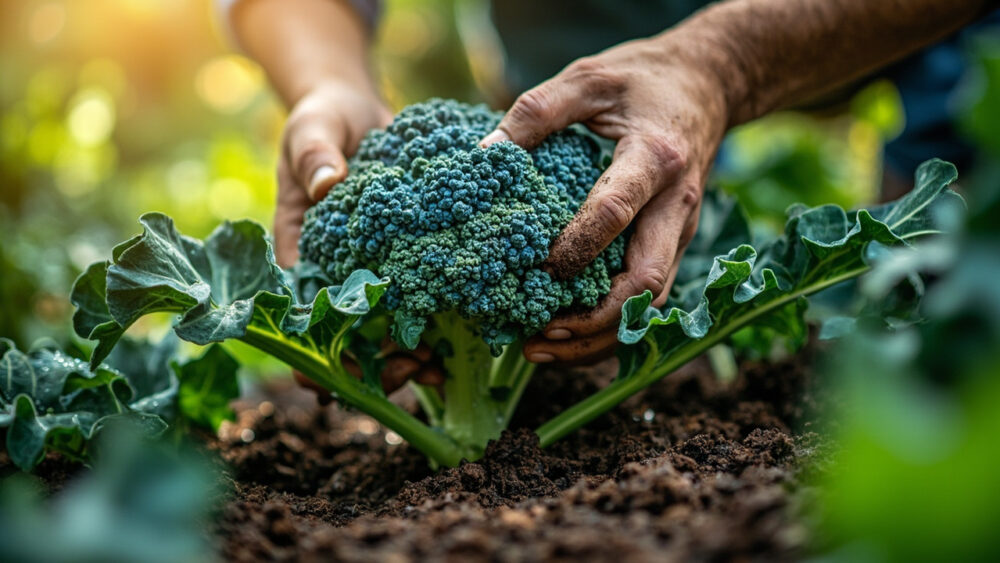
Broccoli wants cool weather, steady moisture, and rich soil, planted so it matures before summer heat or hard frost ruins the party. The short version of how to grow broccoli: start it 4 to 6 weeks before your last spring frost (or in mid to late summer for a fall crop), give each plant 18 to 24 inches of room, keep the soil consistently damp, and cut the head while it is still tight and dark, before the beads start to loosen and separate.
That part is simple. The part that trips people up is timing and heat, not the planting itself, and most broccoli disappointments trace back to one specific mistake that has nothing to do with soil or fertilizer.
There is also a sign gardeners misread constantly, a small yellow flower show that they think means “almost ready” when it actually means “too late.” Stick around for both, plus the honest answer to the question every broccoli grower eventually asks about those side shoots, and the save-able Broccoli at a Glance card waiting at the bottom of this guide.
When to Plant Broccoli
Broccoli is a cool-season crop, and it bolts or turns bitter in real heat. For a spring crop, start seeds indoors 4 to 6 weeks before your last frost date, then transplant outside 2 to 3 weeks before that frost, once soil temperature is at least 40°F and ideally pushing 50°F.
Direct-seeding outdoors works too in mild climates, but transplants give you a head start most regions need.
Fall crops are often the better crop, honestly. Time transplants so they mature as temperatures cool, generally counting back 10 to 12 weeks from your first fall frost. In zones 8 and warmer, this fall window is far more forgiving than spring, since the plants finish heading as heat fades instead of ramping up.
Here is the mistake that ruins most attempts: planting too late in spring and letting the plant hit heading stage during a heat wave.
Choosing the Spot and Prepping the Soil
Broccoli needs 6 or more hours of direct sun and soil that holds moisture without staying waterlogged. It is a heavy feeder, so this is not the bed to skimp on.
Work in 2 to 3 inches of compost or aged manure before planting, aiming for a soil pH around 6.0 to 7.0. If your soil is sandy or thin, broccoli will tell you by bolting early or forming small, loose heads no matter what else you do right.
Raised beds or mounded rows help with drainage in heavier clay soils, since broccoli roots sulk in standing water.
Good soil buys you patience later, but the way you actually get the plants into the ground matters just as much.
Planting Broccoli Step by Step
1. Harden off transplants
Give indoor-started seedlings 5 to 7 days outside in a sheltered spot before transplanting, increasing sun exposure gradually. Skipping this step shocks the plants and stalls growth for a week or more.
2. Set spacing
Space plants 18 to 24 inches apart, with rows 24 to 36 inches apart. Crowding is the second-most-common mistake after bad timing, and it produces small, crowded heads with weak stems.
3. Plant at the right depth
Bury transplants slightly deeper than they sat in the pot, up to the first set of true leaves, to encourage a sturdy root system. Firm the soil gently around the stem.
4. Water in immediately
Give new transplants a deep drink right after planting, even if the soil looks damp. This settles air pockets around the roots and gets them established fast.
Once the plants are in and settled, the season becomes mostly about water, food, and watching the weather.
Watering and Feeding Through the Season
Broccoli wants consistent moisture, about 1 to 1.5 inches per week from rain or irrigation. Inconsistent watering is what causes heads to bolt early or turn bitter and loose, more often than heat alone does.
Check soil an inch down: if it is dry there, water. Mulch with 2 to 3 inches of straw or shredded leaves to hold moisture and keep roots cool, which matters more for broccoli than for almost any other garden vegetable.
Feed with a balanced fertilizer or compost tea at planting, then again 3 to 4 weeks later once plants are actively growing. Nitrogen-heavy feeding late in the game pushes leafy growth at the expense of the head, so ease off once heads start forming.
Feeding gets the plant growing, but it is pests and disease that decide whether that growth turns into dinner.
Problems That Actually Strike Broccoli
Cabbage worms and cabbage loopers are the most common attackers, chewing ragged holes in leaves and sometimes burrowing into heads. Floating row covers installed at transplanting keep the adult moths from laying eggs in the first place, and are the single most effective prevention.
Aphids cluster on the undersides of leaves and around developing heads; a strong water spray knocks most off, and insecticidal soap handles the rest when applied per the label.
Clubroot and black rot are the serious fungal and bacterial threats, showing up as stunted, wilted plants or blackened leaf edges. There is no cure once clubroot sets in; rotate brassicas to a new bed for at least 3 years and avoid replanting in infected soil.
Heat stress causes premature bolting, where the plant shoots up a small, loose head and flowers early instead of forming a full crown. There is no fix for a bolted head, only prevention through timing.
Watching for trouble matters, but knowing exactly when to cut is what determines whether all that work pays off.
When and How to Harvest Broccoli
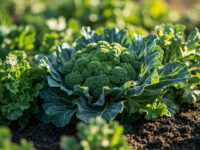
Broccoli is ready when the central head is firm, tight, and deep green or purplish, typically 4 to 6 inches across, usually 50 to 70 days after transplanting depending on variety. Cut it before the individual beads loosen or you see any yellow petals peeking out between them.
That yellow color is the sign nearly everyone misreads. It looks like a sign the head is finishing up nicely, but it actually means the buds are opening into flowers, and the head is already past its best and turning bitter fast.
Cut the main stalk at an angle, 5 to 6 inches below the head, using a sharp knife. Harvest in the cool morning if you can, since heads held in afternoon heat go limp faster.
Here is the honest answer to the side-shoot question: yes, most varieties keep producing smaller side heads for several weeks after the main harvest, sometimes up to 2 months. They will never match the size of the first head, but a steady trickle of 2 to 3 inch florets is a real, worthwhile bonus if you keep watering and feeding lightly after that first cut.
Miss the harvest window and the plant will not give you a second chance at that head, but everything you need to remember for next time is right below.
Broccoli at a Glance
- When to plant: transplant 2 to 3 weeks before last spring frost, or set out fall transplants 10 to 12 weeks before first fall frost.
- Spacing and depth: 18 to 24 inches apart, planted up to the first true leaves, rows 24 to 36 inches apart.
- Soil and sun: rich, compost-fed soil, pH 6.0 to 7.0, at least 6 hours of direct sun daily.
- Watering: 1 to 1.5 inches per week, consistent moisture, mulch to keep roots cool.
- Feeding: balanced fertilizer at planting, again 3 to 4 weeks later, then ease off nitrogen once heads form.
- Main threats: cabbage worms, aphids, and heat-triggered bolting, with row covers as the best single prevention.
- Harvest: cut when the head is tight and firm, 4 to 6 inches wide, before any yellow petals show, usually 50 to 70 days from transplant.
Get the timing right and the rest of broccoli is easy, get it wrong and no amount of good soil saves the head.
Cut early, water steady, and let the side shoots give you a second round.