Spirea care comes down to four things: full sun, well-drained soil, a hard prune every year, and water while it’s young. Get those right and spirea more or less grows itself, it’s one of the toughest flowering shrubs you can plant. Get one of them wrong and you get a leggy, bald-bottomed shrub that blooms halfheartedly and looks tired by July.
Most people who struggle with spirea aren’t fighting pests or disease. They’re fighting a shrub they never pruned, planted somewhere too shady, or drowned with a sprinkler system set for the lawn next to it. There’s also a timing mistake that costs an entire season of bloom and nobody warns you about it until it’s too late to fix that year.
Stick around for the pruning timing that trips up even experienced gardeners, the honest read on what “well-drained” actually means for your yard, and the save-able Spirea at a Glance card at the bottom with every number in one place.
Light, Placement, and Temperature
Spirea wants full sun, at least six hours a day. In part shade it survives, but bloom count drops and the growth gets floppy and stretched toward the light.
It’s hardy across USDA zones 3 through 8 depending on variety, so winter cold isn’t usually the limiting factor. Heat and humidity aren’t either, spirea shrugs off both.
What it won’t tolerate well is soggy footing. Avoid low spots where water pools after rain, and keep it out of the deep shade cast by house eaves or mature trees.
Where you put it in year one is where it lives for the next twenty, so this decision matters more than any care task after it.
Watering: How Much, How Often, and How to Tell
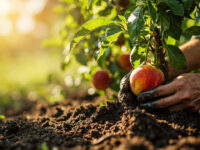
New spirea, planted within the last year, needs water whenever the top 2 inches of soil feel dry, roughly once or twice a week without rain. Established spirea, two years or older, is genuinely drought-tolerant and often needs nothing beyond normal rainfall except in extended dry stretches.
If you assumed more water is always safer, that guess is what causes root rot in spirea, not underwatering. Wilting leaves on a plant sitting in wet soil mean the roots are suffocating, not thirsty, and adding more water makes it worse.
The honest test is your finger, not a schedule. Push it into the soil near the root ball; if it’s cool and moist an inch down, wait.
Soil drainage decides almost everything else about how you water, so let’s settle what “well-drained” really means.
Soil, Drainage, and Feeding
Spirea isn’t picky about soil type, it grows in clay, loam, or sandy ground, but it does insist on drainage. If water still sits on the surface 30 minutes after a hard rain, that spot will eventually rot the roots no matter how carefully you water otherwise.
Amend heavy clay with compost worked into the top 8 to 12 inches before planting, or build a slightly raised planting mound if the whole bed stays wet.
Feeding is genuinely optional. A light application of balanced, slow-release fertilizer in early spring gives a modest boost, but spirea blooms reliably in average soil with no fertilizer at all. Skip feeding after midsummer, late fertilizer pushes soft new growth that winter damages.
Good soil sets the stage, but the pruning shears do more for this shrub’s shape and bloom than soil ever will.
Pruning: The Timing Mistake That Costs a Whole Season
Here’s the timing that trips people up. Spirea splits into two bloom groups, and pruning the wrong one at the wrong time erases that year’s flowers.
- Spring-blooming spireas (like Vanhoutte or bridal wreath types) bloom on old wood. Prune these right after flowering finishes, not in fall or early spring, or you’ll cut off the buds that were about to open.
- Summer-blooming spireas (like the popular Japanese spireas, Goldflame and Anthony Waterer types) bloom on new wood. Prune these in late winter or early spring, while dormant, before new growth starts.
Either type benefits from a hard renewal prune every 2 to 3 years, cutting the whole shrub back to 6 to 8 inches above ground. It looks brutal and it recovers fast, usually blooming again the same season for summer types.
Deadheading spent flower clusters through the season on summer bloomers often triggers a second flush.
Skip the pruning entirely for a few years and the problems below become almost guaranteed instead of occasional.
Common Problems and Honest Fixes
The most common complaint is a spirea that blooms less every year and looks woody and bare at the base. That’s not disease, that’s a shrub that hasn’t been renewal-pruned, and the fix is the hard cutback described above, not fertilizer or fungicide.
Powdery mildew, a gray-white coating on leaves, shows up in humid weather with poor air circulation. Space plants 2 to 4 feet apart depending on variety so air moves through, and prune out badly affected stems.
Aphids cluster on new growth tips, curling and yellowing leaves. A strong spray of water knocks most colonies down; for persistent infestations, an insecticidal soap applied per the product label handles the rest.
Spider mites show up as fine speckling and webbing in hot, dry summers, worse on stressed or drought-thirsty plants. Consistent watering during heat prevents most of the outbreak before it starts.
Spirea is not considered toxic to pets or people, but any plant material eaten in quantity can upset a pet’s stomach, so call your veterinarian if a pet eats a large amount and seems ill.
None of these problems are common on a spirea that’s pruned on schedule and planted in full sun, which is really the whole secret.
Signs Your Spirea Is Actually Thriving
A thriving spirea pushes new stems from the base every spring, not just from the tips of old wood. That basal growth is the plant renewing itself, and it’s the single best sign of long-term health.
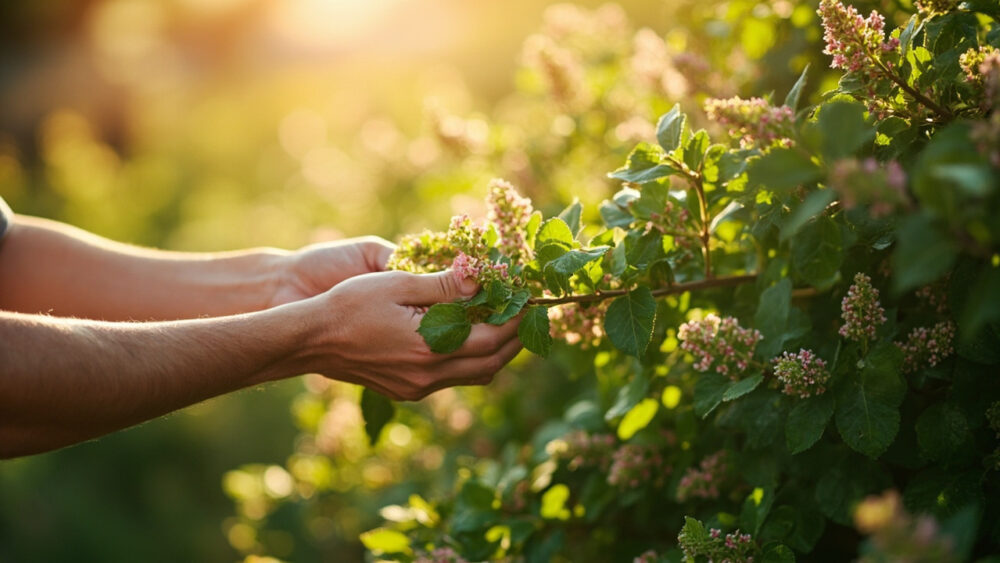
Bloom coverage tells you the rest. A happy spirea in full sun covers itself in flower clusters, spring types in white along arching branches, summer types in pink, red, or white flat-topped clusters, rather than blooming sparsely at the tips.
Leaf color should be even and full through the season, not pale or scorched at the edges. Scorching in peak summer usually points to underwatering during a dry stretch rather than a soil problem.
If your shrub checks those boxes, you’re doing this right, and everything below is just the numbers for next time.
Spirea at a Glance
- Light: full sun, at least six hours a day, for the fullest bloom and tightest form.
- Soil: average garden soil is fine, drainage matters more than fertility.
- Water: weekly for the first year, then only during extended dry spells once established.
- Spacing: 2 to 4 feet apart depending on the variety’s mature spread.
- Pruning: spring bloomers right after flowering, summer bloomers in late winter before growth starts, hard renewal cutback every 2 to 3 years.
- Feeding: optional, light and balanced in early spring only, none after midsummer.
- Hardiness: USDA zones 3 to 8 depending on variety, heat and humidity tolerant.
Get the sun and the pruning timing right and spirea forgives almost everything else. Save this card, and check your bloom type before the shears ever come out.