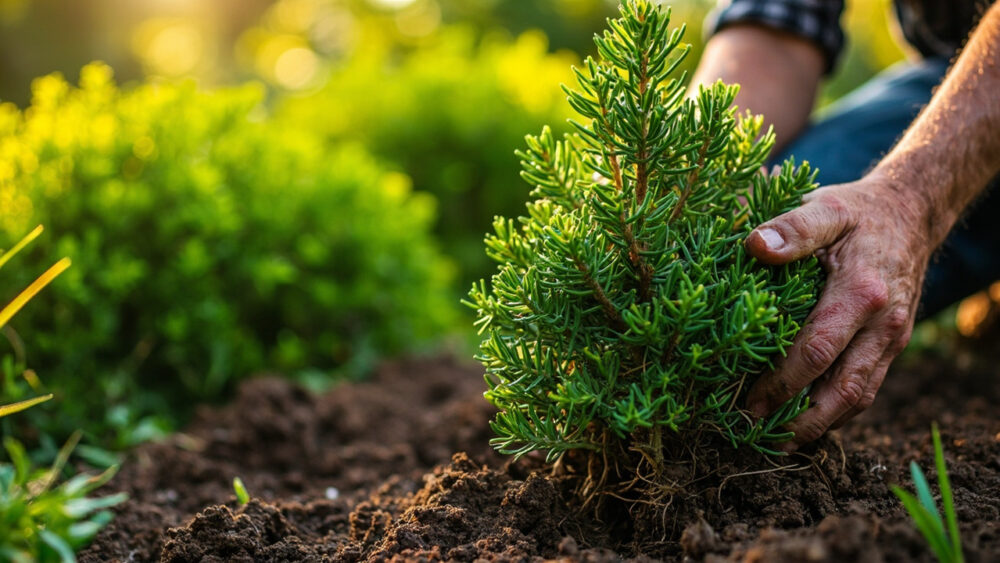
The best time to plant arborvitae is early fall, roughly six to eight weeks before your ground freezes, with early spring right after the soil thaws and dries out a close second. Both windows give roots time to settle before the plant has to face real heat or real cold. Summer planting is the one that quietly kills the most arborvitae, and almost nobody planting in July realizes it until August.
There is a mistake that ruins more of these plantings than deer, drought, or bad soil combined, and it has nothing to do with the calendar. There is also a sign most people misread as “the plant is settling in” when it actually means the opposite. And there is an honest answer to the question you are probably about to ask next: can you still plant right now, this week, in whatever season you happen to be standing in your yard.
Stick with this to the end and you will get the full “Arborvitae at a Glance” card, saved and ready to check against before you dig.
The Real Planting Window
Fall planting works because soil stays warm well after air temperatures drop. Roots keep growing into that warm soil for weeks even after top growth has stopped for the season. Aim to get arborvitae in the ground by about six to eight weeks before your first hard freeze, which gives roots a real head start before winter locks things down.
Spring planting is the other solid option, ideally once soil has thawed, drained, and warmed past about 45 to 50 F a few inches down. Planting into cold, waterlogged spring mud does more harm than waiting two more weeks.
Summer planting is technically possible but it is playing on hard mode, since a young root system has to establish while fighting heat stress at the same time.
Next up is figuring out which of these windows is actually open in your yard right now.
How to Tell Your Window, Not the Calendar’s
Forget the date on your phone. Check the soil instead. Grab a handful from four to six inches down. If it is cold, sopping, and forms a tight mud ball, spring’s window is not open yet no matter what the calendar says.
In fall, watch your local frost timing rather than a fixed date, since it shifts year to year and county to county. Count back six to eight weeks from your typical first freeze and that is your target.
Container arborvitae are more forgiving than bare root because the root ball is already intact, so they stretch the window a bit wider on both ends.
Get the timing right and the next question is what actually goes wrong when you miss it.
Too Early, Too Late, and the Mistake Everyone Makes Instead
If you assumed the biggest risk is planting a week or two outside the ideal window, that guess is not really where the damage happens. A slightly early or slightly late planting inside the fall or spring window is usually fine.
The real damage comes from planting into summer heat or into a spot with poor drainage, regardless of season. Arborvitae roots that sit in soggy soil for even a few weeks start to rot quietly, and by the time the foliage browns it is often too late to reverse.
Too early in spring, before soil has drained, causes the same rot. Too late in fall, closer to freeze-up than six weeks, gives roots too little time to anchor before winter desiccation sets in, which shows up as bronze or straw-colored foliage by late winter.
That bronzing is the sign most people misread, and it deserves its own explanation.
The Sign Everyone Reads Wrong
New arborvitae often look a little duller or slightly yellow-green for the first few weeks after planting. That is normal transplant adjustment, not failure.
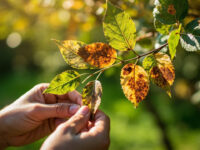
What is not normal is foliage turning brown or straw colored from the inside out, or whole branch tips going crispy while the rest looks fine. That pattern usually means root stress, either from planting too late for roots to establish, from waterlogged soil, or from the root ball drying out before it was ever backfilled.
People see the browning and water more, assuming drought. Often the actual cause is the opposite: roots already damaged by wet feet, now unable to take up water at all.
Before any of that becomes a problem, good prep before you dig prevents most of it outright.
Prep to Do Before the Window Opens
Do this work before planting day, not on it.
- Test drainage: dig a hole 12 inches deep, fill it with water, and if it has not drained within a few hours, pick a different spot or plan to amend and mound.
- Check the site’s sun: most arborvitae want full sun to light shade, at least four to six hours a day, or growth will stay thin and open.
- Space for the mature width: most standard arborvitae need 3 to 4 feet between plants for a hedge, up to 10 to 15 feet for large landscape specimens; check the tag for your exact cultivar.
- Have amendments ready: compost worked into native soil is usually enough; skip heavy fertilizer at planting time, since it pushes tender growth right before stress season.
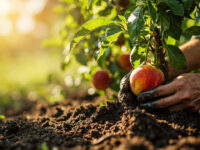
- Stage the hole: dig it two to three times the width of the root ball but no deeper than the root ball itself, so the plant does not sink over time.
With the ground ready, the only thing left is knowing whether your particular climate shifts these rules at all.
Zone and Region Notes That Actually Change the Timing
Arborvitae grows across a wide range, roughly USDA zones 3 through 8, but the window shifts noticeably by region.
Cold winter regions, zones 3 to 5, should lean toward spring planting or early fall with a generous margin before freeze, since a late fall planting there has very little runway before hard winter arrives.
Milder regions, zones 6 to 8, get the most flexibility, with fall often outperforming spring because summer heat arrives fast and hard in those areas.
In hot, humid summer climates, avoid planting between roughly late May and early September entirely if you have any choice in the matter, since heat stress on new roots there is the single most common reason a first-year arborvitae fails.
Once you know your zone’s lean, the rest is just the numbers you came here for.
Arborvitae at a Glance
- When to plant: early fall, six to eight weeks before your first hard freeze, or early spring once soil has thawed and drained past about 45 to 50 F.
- Worst time to plant: mid summer, especially in hot or humid climates, due to heat stress on new roots.
- Soil check: grab a handful four to six inches down, it should be moist and crumbly, not a cold mud ball and not bone dry.
- Spacing: 3 to 4 feet apart for a tight hedge, 5 to 6 feet for a looser screen, 10 to 15 feet for large specimen plantings.
- Planting depth: hole no deeper than the root ball, two to three times as wide, top of the root ball level with or slightly above grade.
- Zone range: USDA zones 3 through 8, with colder zones leaning spring, milder zones favoring fall.
- Warning sign: browning from the inside out or crispy tips signals root stress, not simple thirst, so check drainage before adding more water.
Get the season right and keep the roots out of standing water, and arborvitae takes care of the rest on its own.
Everything else, from fertilizer to pruning, matters far less than nailing this one window.