Most majesty palms need water every 6 to 8 days in spring and summer, and every 10 to 14 days in fall and winter, but that number is only the starting point. The real schedule depends on your pot size, your light, and how fast that soil dries out, which is why so many people ask how often to water majesty palm and still end up with a brown, crispy plant six weeks later. The honest answer is a range, not a date on the calendar, and I will give you the exact way to check it instead of guess.
Before we get to the schedule, three things trip people up badly enough to lose the whole plant. There is one watering habit that kills majesty palms faster than drought ever does, and it is not what most people assume. There is a leaf symptom that looks identical whether you are overwatering or underwatering, and guessing wrong here wastes weeks. And there is a seasonal shift almost nobody makes that quietly stresses the palm all winter.
Stick around for the full breakdown, because at the bottom I have a save-able **Majesty Palm at a Glance** card with the numbers, the checks, and the fixes all in one place for your phone.
The Honest Watering Schedule, and What Changes It
In bright, warm rooms during spring and summer, water roughly every 6 to 8 days. In lower light or cooler winter rooms, stretch that to every 10 to 14 days.
Pot size matters more than people expect. A majesty palm in a 6-inch nursery pot dries out in half the time of one in a 14-inch floor planter, because there is simply less soil holding moisture.
Humidity changes the math too. Majesty palms come from swampy, humid conditions, so a dry heated living room in January pulls moisture out of the leaves and soil faster than the calendar suggests, even though growth has slowed.
None of these numbers replace an actual check of the soil, which is where most people go wrong.
Stop Guessing, Start Checking: The Finger Test and Pot Weight
If you assumed a rigid weekly schedule is the safe move, that habit is exactly what kills most majesty palms. This plant does not read a calendar, it reads its soil.
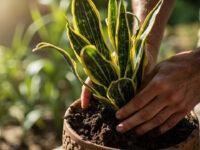
Push your finger two inches into the soil. If it feels moist at that depth, wait. If it feels dry, water. This single check beats any fixed interval, because it accounts for your specific light, pot, and season automatically.
Pot weight is the second check, especially useful once the plant is too big to comfortably dig into. Lift the pot right after a thorough watering and remember roughly how heavy it feels. A pot that feels notably light is asking for water.
Leaf cues come third. Fronds that look slightly dull or a little floppy in the evening but perk back up by morning are normal and not a distress signal.
Once you know it is actually time to water, how you do it matters almost as much as when.
How to Water a Majesty Palm Properly
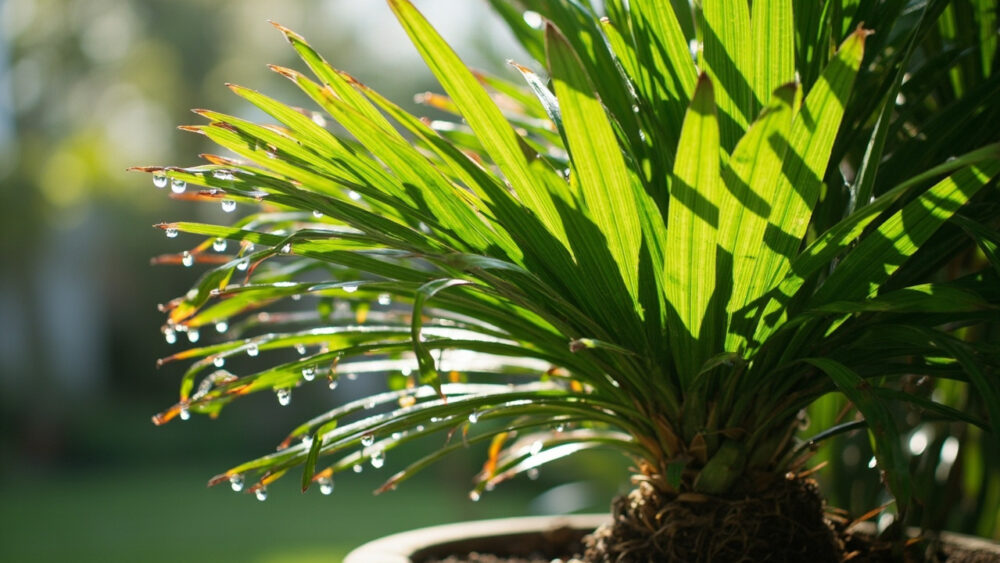
Water slowly and thoroughly until it runs from the drainage holes, then let the pot drain completely and never let it sit in a saucer of standing water. A palm sitting in even half an inch of trapped water for days is the single most common way people accidentally kill this plant, worse than an occasional missed watering.
Majesty palms want consistently moist soil, not soggy soil and not bone dry soil. That distinction matters more here than with almost any other common houseplant.
Use room-temperature water when you can. Cold water straight from the tap can shock the roots slightly, especially in winter.
If your tap water is heavily chlorinated or very hard, letting water sit out overnight before use helps, since majesty palms can be a bit sensitive to mineral buildup showing up as brown leaf tips over time.
Getting the technique right solves half the problem, but you still have to read what the plant tells you afterward.
Overwatered or Underwatered? How to Actually Tell the Difference
This is the mistake almost everyone makes at some point: brown, crispy frond tips get blamed on underwatering, when overwatering causes the exact same symptom just as often. You cannot diagnose a majesty palm from dry tips alone.
Look at the whole plant, not just one leaf. Underwatering shows up as fronds that droop noticeably, feel dry and papery, and the soil pulls away from the pot’s edge and feels dry a couple inches down.
Overwatering shows up as fronds that yellow broadly, often starting at the base, feel soft or mushy rather than crispy, and the soil stays wet and heavy well past when it should have dried.
A rotten or sour smell from the soil is a clear overwatering sign and sometimes points to root rot, which means pulling the root ball to check for black, mushy roots rather than firm white or tan ones.
If root rot has taken hold, the honest prognosis is that severely affected plants often do not recover, though catching it early with a repot into fresh, dry soil and trimmed roots can sometimes save a palm that is still mostly firm below the soil line.
Once you can tell these two apart on sight, the last piece is adjusting for the season you are actually in.
Adjusting the Schedule Through the Year
Growth slows dramatically from roughly late fall through late winter, and that is exactly when overwatering deaths spike, because people keep watering on the summer schedule out of habit.
Cut back gradually as daylight shortens, moving from a 6 to 8 day rhythm toward 10 to 14 days, and always confirm with the finger test rather than the date.
Indoor heating in winter dries air fast even while soil dries slowly, so a humidity tray or occasional misting helps the fronds without pushing you to overwater the roots to compensate.
Come spring, as new fronds start pushing out and light strengthens, the plant will tell you it wants more frequent water again, usually before you even think to check the calendar.
That seasonal swing is exactly why the quick-reference card below is worth saving.
Majesty Palm at a Glance
- Watering frequency: every 6 to 8 days in spring and summer, every 10 to 14 days in fall and winter, adjusted by the finger test.
- How to check: push a finger 2 inches into the soil, water when dry at that depth, or judge by pot weight once the plant is large.
- How to water: water slowly until it runs from the drainage holes, then drain fully and never leave the pot sitting in standing water.
- Underwatering signs: drooping, papery dry fronds, soil pulling away from the pot edge and dry several inches down.
- Overwatering signs: broad yellowing starting near the base, soft or mushy fronds, soil that stays wet and heavy, sometimes a sour smell.
- Humidity needs: likes higher humidity, so a tray or occasional misting helps in dry heated rooms without needing extra soil watering.
- Light and soil: bright, indirect light and a well-draining pot with drainage holes, since majesty palms punish both dark corners and waterlogged soil.
Skip the fixed schedule and trust the finger test every time, in every season.
That one habit prevents both the overwatering and the underwatering deaths this plant is famous for.