From seed to first ripe tomato takes about 60 to 100 days after transplanting, depending on the variety, and another 4 to 6 weeks before that if you started your own seedlings indoors. So the honest answer to how long does it take to grow tomatoes, start to finish, is somewhere between 2 and 4 months once the plant goes in the ground, or closer to 3 to 4.5 months if you count the whole process from seed.
That range is wide on purpose, because two tomato plants sitting ten feet apart can ripen weeks apart for reasons that have nothing to do with how well you’re growing them. Variety is the biggest lever, but it is not the only one. Nighttime temperature, pot size, and one common rookie move with pruning shears all quietly add or subtract weeks.
Keep scrolling and you’ll get a stage-by-stage breakdown so you can tell where your own plant actually stands, the legitimate ways to speed things up versus the tricks that just stress the plant, and a save-able quick-reference card at the very bottom with the timeline and every variable that changes it in one place.
The Realistic Timeline, Broken Down
If you’re starting from seed, expect 5 to 7 days to germinate at 70 to 80°F, then 5 to 7 weeks of indoor growth before the seedling is sturdy enough to transplant outside, timed so it goes in the ground a week or two after your last frost.
From transplant, cherry and grape varieties are fastest, often 55 to 65 days to first ripe fruit. Mid-size varieties like beefsteaks and most slicers run 70 to 85 days. Big heirloom beefsteaks and some paste tomatoes can take 80 to 100 days.
Add it up and a cherry tomato started from seed can give you fruit in about 12 weeks total, while a slow heirloom might take 16 to 18 weeks.
Buying a transplant from a nursery skips a full month and a half of that clock.
What Actually Controls the Speed
Variety sets the baseline, but climate decides whether the plant hits that baseline. Tomatoes want daytime temperatures in the 70s and 80s and nights that don’t regularly drop below 55°F.
Cool, cloudy springs slow everything down, sometimes adding two or three weeks with no visible cause. If your plant looks healthy but just isn’t moving, check the nighttime lows before you blame the soil or your watering.
Container-grown tomatoes are almost always slower than in-ground ones unless the pot is large, at least 15 to 20 gallons for a full-size variety, because small pots limit root growth and dry out fast enough to stall the plant repeatedly.
Soil matters too: tomatoes planted in cold soil, below about 60°F, sit and sulk instead of growing, even if the air feels warm enough to you.
Get the timing and conditions right and the next question is simply what to expect week by week.
Stage by Stage: What You Should Actually See
Weeks 1 to 2 after transplant: the plant looks like it’s doing nothing. It’s actually building roots. Some transient wilting or pale leaves in the first few days is normal transplant shock, not failure.
Weeks 3 to 5: visible vertical growth, new leaves noticeably bigger than the old ones, and the first flower clusters on determinate and early varieties.
Weeks 6 to 8: flowers set fruit, which shows up as small green marbles at the base of the blossom. This is the stage most new gardeners think is going too slowly. It isn’t.
Weeks 8 onward: fruit sizes up fully, then holds at full size and dark green for a stretch that feels endless before it finally starts to blush.
That last stretch, green and full-sized with no color change, is the part that tests everyone’s patience.
The Waiting Game: Green to Ripe
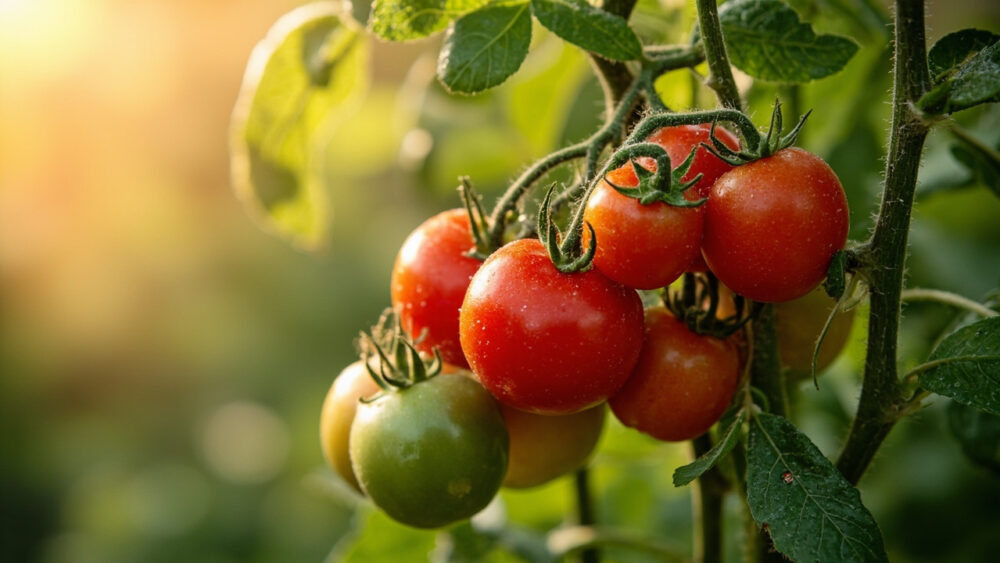
If you assumed a full-sized green tomato is just a day or two from ripe, that guess is what makes people pick them too early. A tomato can sit at full size for 1 to 3 weeks before it starts to turn.
Color change starts at the blossom end, not the stem end, and once it starts, ripening from first blush to fully colored usually takes 4 to 8 days depending on temperature and variety.
Heat above the mid 90s actually slows ripening and can cause the fruit to stall in an orange, never-quite-red state, which surprises people who assume more heat always means faster.
Once you see that first blush of color, you’re days away, not weeks.
How to Legitimately Speed Things Up
Warm the soil before planting with black plastic or landscape fabric for a week or two, and choose a fast variety if speed matters more to you than size or flavor.
Consistent water and steady feeding, rather than occasional heavy doses, keep growth even instead of stop-and-start, which is often what actually costs the most time.
Pinch off the earliest flower clusters on a very young, small transplant. It feels backwards, but it lets the plant put energy into roots and structure first, which pays off in a stronger, ultimately faster-fruiting plant.
What doesn’t work: extra nitrogen fertilizer. It produces lush leaves and can actually delay flowering and fruit set, which is the opposite of what most people want.
Overwatering to “push growth” doesn’t speed ripening either, it just risks split fruit and root problems.
Speeding things up legitimately is mostly about removing obstacles, not forcing the plant.
When Slow Is Normal, and When It’s a Real Problem
Slow is normal in the first two weeks after transplant, during any stretch of cool or cloudy weather, and during that green-to-ripe holding period late in the season.
Slow is a problem if the plant hasn’t grown at all for 3 to 4 weeks in warm weather with regular water, if leaves are yellowing from the bottom up while the plant stalls, or if flowers keep dropping without setting fruit for multiple weeks running.
Flower drop is usually temperature-related, either nights too cool or days too hot, rather than anything you did wrong.
A plant that’s merely slow will usually catch up once conditions improve, but one that’s stalled and yellowing needs you to check roots, soil moisture, and for pests before you wait any longer.
Here’s the whole timeline and every variable that changes it, in one place you can save.
Tomatoes: Quick Reference
- Core timeline: 60 to 100 days from transplant to first ripe fruit, or about 3 to 4.5 months total if starting from seed indoors.
- Fastest varieties: cherry and grape types, often ready in 55 to 65 days from transplant.
- Slowest varieties: large heirlooms and some paste tomatoes, often 80 to 100 days from transplant.
- Ideal conditions: daytime temps in the 70s to 80s°F, nights above 55°F, soil above 60°F at planting.
- Green-to-ripe hold time: full-sized green fruit can sit 1 to 3 weeks before it starts to blush, then 4 to 8 days to fully ripen.
- Biggest speed factor you control: avoiding cold soil at planting and keeping water and feeding consistent rather than heavy nitrogen pushes.
- Warning sign, not just slowness: no growth for 3 to 4 weeks in warm weather, or repeated flower drop with no fruit set.
Most tomato timelines go sideways not from bad luck, but from planting too early into cold soil.
Get the temperature right and the calendar mostly takes care of itself.