From seed to first harvest, jalapenos take 70 to 85 days after transplanting, and another 6 to 8 weeks before that just to grow a transplant worth putting in the ground. All told, you are looking at roughly 3 to 4 months from seed to your first ripe pepper, or as little as 8 to 10 weeks if you start from a nursery transplant instead of seed. That is the honest range, and almost everyone who grows jalapenos ends up somewhere inside it.
But that number moves depending on things most people never think to check: your nighttime temperatures, whether you are chasing green jalapenos or want them to go red, and one very common mistake that quietly adds two or three weeks to the whole process without the grower ever noticing why.
Stick around for the stage-by-stage breakdown, the real speed controls, and how to tell if your particular plant is running late or right on schedule. There is a printable-style quick reference card at the very bottom you can screenshot before you go check on your plant.
The Real Timeline, Start to Finish
Seed to transplant-ready: 6 to 8 weeks indoors, given warmth (75 to 85°F soil temperature for germination) and decent light. Jalapeno seeds are slower than tomatoes, expect 7 to 21 days just to germinate.
Transplant to first flower: 3 to 5 weeks outdoors once nights stay reliably above 55°F.
Flower to harvestable green pepper: another 3 to 5 weeks.
Green to fully red (if you want that): add 2 to 3 more weeks on the plant.
Add it up and a seed started in a pot in late winter typically hands you its first green jalapeno in mid to late summer.
That is the skeleton, now let’s talk about what stretches or shrinks it.
What Actually Controls the Speed
Jalapenos are heat-driven, full stop. Nighttime temperature matters more than daytime highs. Below 55°F at night, growth stalls even if the days are warm and sunny, the plant is not dead, it is just idling.
Variety matters too. Standard jalapenos run the 70 to 85 day range from transplant, but some compact or early cultivars mature closer to 60 to 65 days, while larger fruiting types can push past 90.
Container-grown plants often lag a week or two behind in-ground plants of the same variety, simply because pots swing hotter and colder and dry out faster. Root space matters more than people expect.
If you assumed better soil alone speeds things up, that is a reasonable guess, but it is only half true. Fertile soil helps the plant get big, it does not override a cold night.
Reading the Stages on Your Own Plant
Here is what you should actually be seeing at each point, so you can tell where your plant sits in the timeline right now.
- Weeks 1 to 3 after transplant: the plant looks like it is doing nothing. It is building roots. This is normal, not a stall.
- Weeks 4 to 6: visible bushing out, new leaf sets every few days, first flower buds appear.
- Weeks 6 to 8: small white star-shaped flowers open, tiny green peppers form at the base within days of pollination.
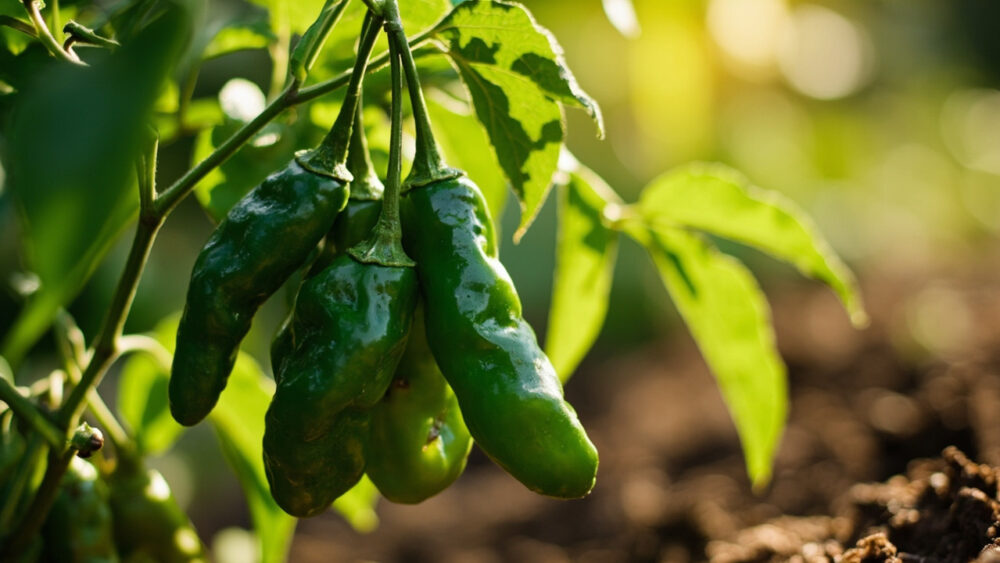
- Weeks 9 to 12: peppers size up to 2 to 3.5 inches long, firm and glossy, ready to pick green.
- Weeks 12 to 15 (optional): peppers blush and turn fully red if left on the plant.
If your plant matches this rough schedule, you are exactly on track, and knowing what “normal” looks like is most of the battle.
How to Legitimately Speed Things Up
A few things genuinely shave time off the calendar. Starting seeds early indoors under grow lights, rather than direct-sowing outside, buys you weeks, since jalapenos need warm soil to germinate at all.
Buying transplants instead of starting from seed skips 6 to 8 weeks outright, this is the single biggest shortcut available to anyone who clicked this page wanting jalapenos sooner rather than later.
Consistent warmth and consistent watering push flowering along, stressed plants (drought-stressed especially) often abort flowers rather than set fruit, which feels like slowness but is actually the plant protecting itself.
What does not work: extra nitrogen fertilizer. It makes lush green leaves and can actually delay flowering and fruiting, since the plant puts its energy into foliage instead of pods. If you want more peppers faster, ease off high-nitrogen feeding once flowering starts and favor something balanced or slightly higher in phosphorus and potassium.
Speed has a ceiling, and that ceiling is set by temperature, not fertilizer.
Slow Plant: Normal or a Real Problem?
Normal slowness looks like a healthy green plant that simply is not flowering yet, usually because nights are still cool or the plant is young. Give it time, it will catch up once warmth arrives.
A real problem looks different: yellowing lower leaves, purplish leaf undersides (often a phosphorus or cold-stress symptom), flowers that form and drop without ever setting fruit, or a plant that has been the same size for over a month during warm weather.
Flower drop with no fruit set is usually heat stress (above 90°F consistently), inconsistent watering, or lack of pollinators, not a disease. Extreme heat can pause fruit set the same way cold does.
If leaves show mottling, spots, or the plant is wilting despite moist soil, that points toward a pest or disease issue rather than a timing issue, and cultural fixes (better airflow, removing affected leaves, consistent watering) go further than reaching for a spray, but if you do need a fungicide or pesticide, follow the product label exactly.
Most “my jalapeno is too slow” complaints turn out to be a cool spring, not a sick plant.
Jalapenos: Quick Reference
- Total time, seed to harvest: about 12 to 16 weeks, roughly 3 to 4 months.
- Total time, transplant to harvest: 8 to 10 weeks, the faster route if you buy starts.
- Germination: 7 to 21 days, needs 75 to 85°F soil to happen reliably.
- Days from transplant to first flower: 3 to 5 weeks.
- Days from flower to green, pickable pepper: 3 to 5 weeks.
- Extra time for red, fully ripe jalapenos: add 2 to 3 weeks on the plant.
- Key temperature threshold: nights above 55°F for steady growth, days above 90°F can stall fruit set.
Once you know which stage your plant is in, the waiting gets a lot easier.
Check the leaves, count the weeks, and trust the range, your jalapenos are probably right on schedule.