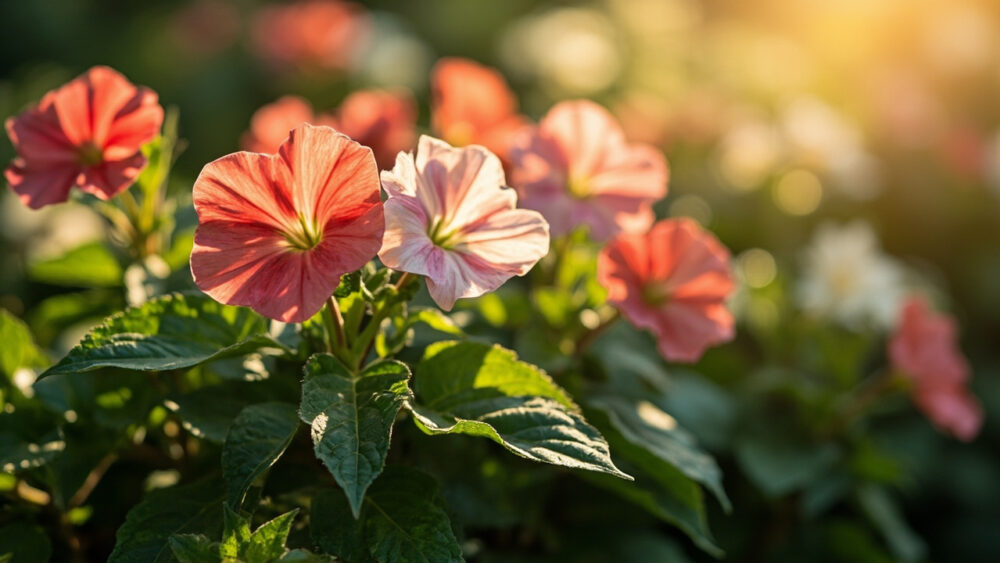
For most gardeners, no. Impatiens are tender perennials that get grown as annuals almost everywhere in the United States, so the plant you have this year will die at the first frost and will not return on its own next spring. The exception is a narrow band of warm, frost-free zones where they can persist as short-lived perennials, and even there they usually get scraggly enough that most people replant anyway.
But the honest answer to do impatiens come back every year depends on a few things that most articles skip past: your actual winter low, whether you grew them in a pot versus the ground, and whether you are willing to babysit a cutting indoors all winter. Some readers can genuinely get a repeat performance with almost no effort. Others are chasing something that their climate will never allow, no matter how carefully they tuck the plant in.
Below I will walk through the zone breakdown, what actually happens to the plant over winter, how to overwinter one if you want to try, and when treating impatiens as a one-season flower is honestly the smarter move. Save-able quick-reference card is at the bottom if you just want the cheat sheet.
The Plain Answer: Perennial, Annual, or It Depends
Impatiens walleriana and the New Guinea types are perennial only in USDA zones 10 and 11, and marginally in the warmest pockets of zone 9b. That means south Florida, coastal southern California, Hawaii, and similarly frost-free spots.
Everywhere else, from zone 9a on north, winter kills them outright. A single hard frost turns the foliage to mush within a day.
If you garden in zone 8 or colder, do not plan around impatiens surviving outdoors. That includes most of the country.
Even in zone 10 and 11, impatiens tend to get woody and thin after a year or two, so many warm-climate gardeners still refresh their beds with new plants or fresh cuttings on a yearly cycle.
Knowing your zone answers the outdoor question, but there is still the container question, and that changes things.
What Happens Over Winter, and What Changes in a Pot
In the ground, in a climate with real frost, the story is simple and a little sad: the plant dies at the roots and does not resprout. There is no dormant crown waiting under the mulch the way there is with a hosta or a daylily.
A container changes the math only if you move it. Impatiens in pots left outside die exactly like their in-ground cousins. But a potted plant can be brought indoors before frost and kept alive as a houseplant through winter, then set back outside once nights stay reliably above 50°F.
That is not the same as the plant “coming back on its own.” It is you doing the work of overwintering it, which is a real option and one a lot of readers assume does not exist.
If you already have a favorite plant you do not want to lose, that indoor route is worth understanding in detail.
How to Overwinter Impatiens or Get New Plants From the Old One
You have two realistic paths, and taking cuttings is usually the more reliable one.
- Whole-plant overwintering: dig it before the first frost, pot it in well-draining potting mix, and set it in a bright window that stays above 60°F. Expect leggy, sparse growth all winter; it is surviving, not thriving.
- Cuttings: snip 3 to 4 inch stem tips, strip the lower leaves, and root them in water or moist potting mix. Impatiens root fast, often within 2 to 3 weeks, and cuttings usually outperform the parched, tired parent plant by spring.
Either way, harden the plants off gradually once you move them back outside, giving them a few days in shade before full sun, and wait until nights stay above 50°F so a late cold snap does not undo the whole winter’s effort.
That effort is real, which is exactly why the next question matters: is it worth it for you?
When Treating Them as an Annual Is Honestly the Better Move
If you guessed that saving the plant is always worth it, that is the assumption that turns a five-dollar flat of impatiens into a winter-long chore for a mediocre result. Overwintered impatiens rarely look as good as fresh nursery starts. They stretch toward the light, drop leaves, and often battle spider mites or whitefly indoors where there is no rain or predator insects to keep pests in check.
For most gardeners outside zone 10 to 11, buying new plants each spring is genuinely the more practical choice, not a failure of effort. Impatiens are cheap, fast to establish, and bred to bloom hard all season, which is the whole appeal.
Cuttings make sense if you have a specific color or variety you love and cannot easily rebuy. Otherwise, let the season end cleanly and start fresh when soil warms in spring.
Either way, here is everything in one place so you do not have to reread the whole page next spring.
Impatiens: Quick Reference
- Basic answer: impatiens do not come back on their own in most of the US, they are grown as annuals and killed by the first frost.
- Perennial zones: reliably perennial only in USDA zones 10 and 11, marginal in the warmest parts of zone 9b.
- In containers: pots outside die the same as in-ground plants, they only survive if moved indoors before frost.
- Overwintering method: dig and pot the whole plant in a bright, 60°F-plus room, expect leggy growth, not vigorous growth.
- Better method for most people: take 3 to 4 inch cuttings in late summer and root them indoors rather than saving the whole plant.
- When to move plants back outside: after nights stay reliably above 50°F, with a few days of shade to harden off first.
- When annual treatment wins: outside zone 10 to 11, fresh spring plants almost always outperform anything overwintered.
Impatiens are built to be generous for one season, not to be a permanent fixture. Plant them like you mean to enjoy them now, and let next spring take care of itself.