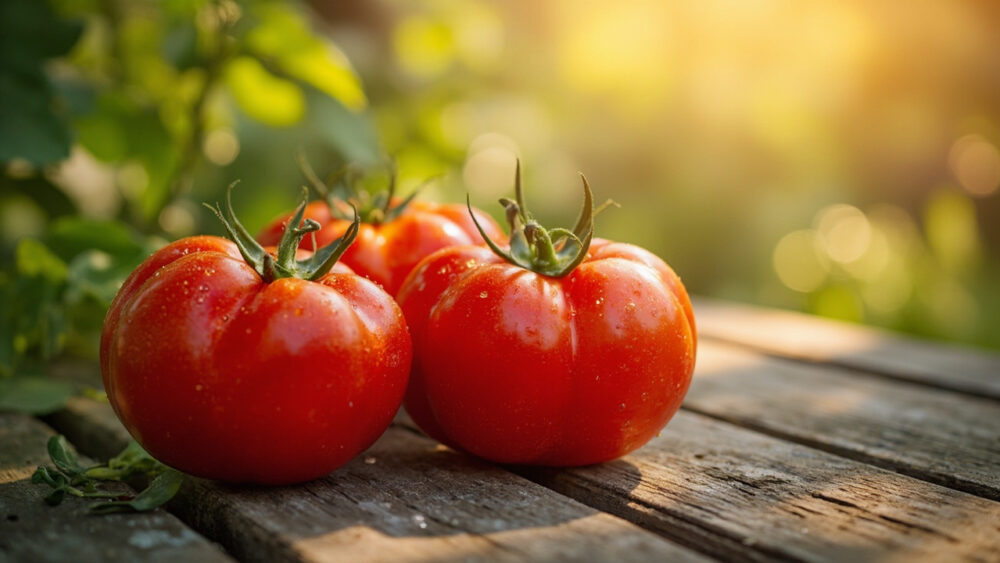
Yes, you can freeze tomatoes, and it is honestly one of the best ways to deal with a counter full of ripe ones you cannot use fast enough. Whole, sliced, or cooked down into sauce, tomatoes freeze well for four to eight months if you handle them right. The catch is that raw frozen tomatoes come out mushy and watery when thawed, which surprises people who expected them to behave like fresh.
Most freezer-tomato disasters trace back to one decision made before the bag ever goes in the freezer, not anything that happens in the freezer itself. There is also a texture problem almost nobody warns you about until you thaw a bag and get a puddle instead of a tomato. And if you are wondering whether you need to blanch first the way you would with green beans, the honest answer depends entirely on what you plan to do with the tomatoes later.
Stick with this. Below I will walk through the method that actually works, how long each form holds up, the prep that separates a good batch from a slimy one, and the mistakes that waste a whole harvest. There is a save-able Tomatoes at a Glance card at the very bottom with everything worth writing on a sticky note for your freezer door.
The Best Way to Freeze Tomatoes
The method that gives you the most usable result is cooking the tomatoes down first, not freezing them raw. Wash them, core out the stem end, and roughly chop. Simmer in a heavy pot for 20 to 30 minutes, skins and all, until they break down and reduce slightly.
Run the cooked tomatoes through a food mill or blender to knock out the skins and seeds, or leave it rustic if you do not mind texture. Cool completely, then pack into freezer bags or rigid containers, leaving about half an inch of headspace since liquid expands as it freezes.
Flat-freezing matters more than people think. Lay filled freezer bags flat on a sheet pan until solid, then stand them up like books. You get faster thawing and a freezer that is not a game of Tetris every time you need dinner.
That is the reliable method, but raw freezing has its place too, and that is where most people go wrong.
Freezing Tomatoes Raw: What Actually Happens
You can skip cooking entirely and freeze tomatoes whole or sliced, and plenty of gardeners do this when they are drowning in fruit and have no time to cook. Wash them, dry them, and either freeze whole on a tray or slice first, then transfer to bags once solid.
Here is the part that surprises people: raw tomatoes are mostly water held in a cell structure, and freezing ruptures those cells. Thaw one and you get a collapsed, mushy tomato sitting in its own juice. It is not spoiled, it is just never going back to fresh-tomato texture.
This is not a flaw in your technique. It is just physics, and no amount of careful freezing prevents it.
Raw frozen tomatoes are genuinely great for soups, stews, and sauces where they get cooked down anyway and texture stops mattering. They are a poor choice for anything where you wanted a fresh, sliceable tomato later, and that mismatch is the root of most freezer disappointment.
Do You Need to Blanch First?
If you assumed blanching is mandatory the way it is for green beans or corn, that guess is only half right for tomatoes. Blanching tomatoes for 30 to 60 seconds in boiling water, then an ice bath, is mainly a peeling shortcut, not a food-safety requirement.
The skins split and slip right off after blanching, which is genuinely useful if you are making sauce and do not want to deal with skins later. It does not meaningfully improve freezer texture or extend storage life beyond what plain washing and freezing gives you.
So the real answer is: blanch if you want easy peeling, skip it if you are freezing raw or cooking down anyway and do not mind milling out the skins afterward.
Skipping this step will not ruin your batch, but skipping the next thing absolutely will.
How Long Frozen Tomatoes Actually Keep
Fresh ripe tomatoes hold about 3 to 5 days on the counter or up to a week in the fridge before they start going soft. Once frozen, timelines stretch a lot further.
- Raw whole or sliced, frozen: best quality for 6 to 8 months, safe to eat well beyond that but texture and flavor fade.
- Cooked sauce or puree, frozen: 8 to 12 months with minimal quality loss.
- Diced tomatoes for soups and stews, frozen: 6 to 8 months.
Beyond those windows tomatoes are not dangerous, they just start tasting flat and losing color, especially with freezer burn around exposed edges.
Storage time only pays off if the batch was handled right going in, which is where most people actually lose the harvest.
The Mistakes That Ruin a Batch
The single biggest mistake is freezing tomatoes that are already overripe, bruised, or starting to spoil, hoping the freezer will pause the clock. It does not. Whatever texture and flavor problem exists at freezing time is exactly what you get at thawing time, just colder.
Skipping the cooling step before bagging is the second big one. Packing warm tomatoes into bags traps steam, which turns into ice crystals and freezer burn fast.
Overfilling bags without headspace is the quiet killer of otherwise good batches. Liquid expands as it freezes, and a fully packed bag will split, leak, and frost over everything else in your freezer.
Skip labeling with the date and you will be guessing at age in six months, which sounds minor until you find three unlabeled bags of unidentifiable red mush.
None of these mistakes are fixable after the fact, so the fix has to happen before the bag goes in the freezer.
Signs Your Frozen Tomatoes Have Turned
Frozen tomatoes do not spoil the way fresh ones rot, but they do decline. Grayish or dulled color, especially at the edges, signals freezer burn from air exposure rather than actual spoilage, and it is a quality issue, not a safety one.
A sour, off, or fermented smell after thawing is a different story and means bacterial activity got started, likely because the tomatoes were already turning before they went in. When in doubt about smell or appearance, the safest move is to discard rather than taste.
Ice crystals throughout the bag, beyond the normal frost on the surface, usually mean the batch went through a partial thaw and refreeze at some point, which degrades both texture and safety margin.
Once you know what good and bad look like, the last piece is just having the numbers on hand when you are standing at the freezer.
Tomatoes at a Glance
- Best method: cook down into sauce or puree first, then freeze, for the best texture and longest quality window.
- Raw freezing: fine for whole or sliced tomatoes headed into cooked dishes, expect a mushy, watery thaw.
- Blanching: optional, mainly useful for slipping skins off easily before cooking down.
- Fridge life, fresh: about 1 week for ripe tomatoes.
- Freezer life, raw: 6 to 8 months at best quality.
- Freezer life, cooked sauce: 8 to 12 months at best quality.
- Packing tip: cool completely, leave half an inch headspace, freeze flat, then stack once solid.
The tomato you freeze is only ever as good as the tomato you started with.
Freeze it ripe, cool it fully, label the bag, and next winter’s soup pot will thank you.