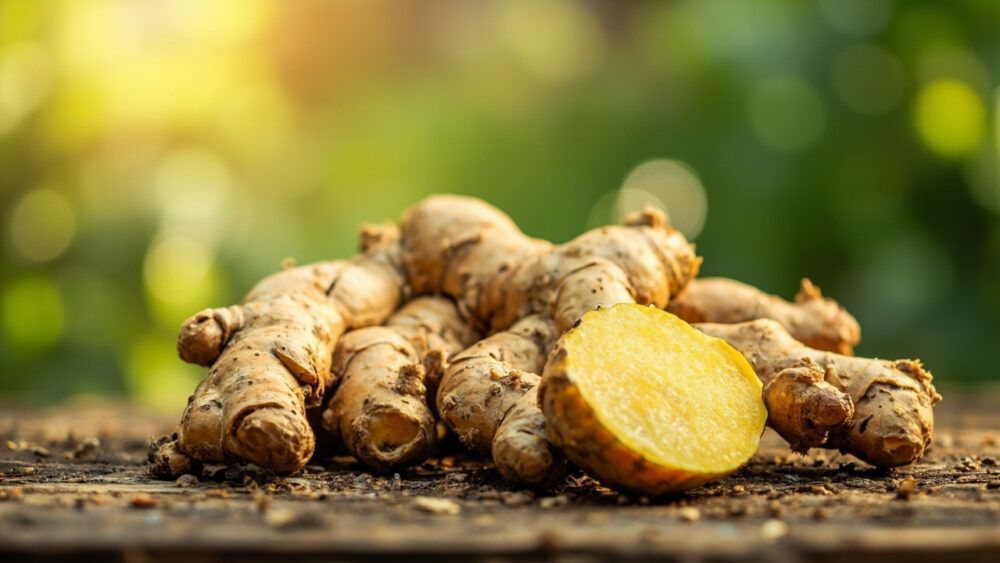
Yes, you can freeze ginger, and it works better than almost any other storage method for fresh ginger root. Freeze it whole, unpeeled, in a sealed bag or container, and it keeps its flavor and texture for 4 to 6 months, sometimes longer. You can even grate or slice it straight from frozen without thawing first, which is the part most people never figure out on their own.
But there is a wrong way to do this that leaves you with a mushy, watery, freezer-burned lump six weeks later. The mistake is not freezing ginger, it is how you package it and whether you peel it first. Most people guess wrong on both counts.
Below I will walk through the exact method, how long ginger lasts on the counter, in the fridge, and in the freezer, the prep step that actually matters, the signs your ginger has turned before you even open the bag, and the mistakes that ruin a batch. There is also a save-able Ginger at a Glance card at the bottom with every number in one place.
The Best Way to Freeze Ginger
Skip peeling. That is the part everyone assumes they need to do, and it is the wrong move. The peel protects the flesh from freezer burn and dehydration, and it grates off in seconds once the root is frozen solid anyway.
Here is the method that actually works:
- Rinse the whole root under cold water and scrub off visible dirt. Do not soak it.
- Pat it completely dry. Any surface moisture turns into ice crystals that damage the texture.
- Leave the root whole, or break it into thumb-sized knobs at the natural joints. Smaller pieces freeze faster and let you thaw only what you need.
- Wrap tightly in plastic wrap or press out all the air in a freezer bag. Air is the enemy here, not cold.
- Label with the date and freeze flat until solid, then it can be stacked.
When you need some, pull the root out, grate the amount you want on a fine grater, and put the rest straight back in the freezer.
That part about not thawing first is where most people trip up, and it is exactly what the next section explains.
How Long Ginger Actually Lasts, Counter vs. Fridge vs. Freezer
On the counter, an unpeeled whole root lasts about 1 week before it starts softening. In a cool, dark spot it can stretch to 2 weeks.
In the fridge, wrapped loosely in a paper towel inside a plastic bag or a sealed container, whole ginger holds for 3 to 4 weeks. Peeled or cut ginger in the fridge is a different story, it drops to about 1 week before the cut surfaces start drying out or molding.
In the freezer, whole unpeeled ginger is good for 4 to 6 months at full quality, and it stays technically safe well beyond that, though flavor and texture fade slowly after month six. Ginger frozen already peeled or grated loses moisture faster and is best used within 3 months.
So if the plan is long storage, freezing whole and unpeeled beats every other option by a wide margin.
The Prep Step Most People Get Backwards
If you assumed you should peel and slice ginger before freezing so it is “ready to go,” that guess is exactly what dries the root out and gives you brittle, freezer-burned pieces. Peeled surfaces lose moisture fast in a freezer, and once ginger dehydrates it does not rehydrate when thawed. It just goes fibrous and stringy.
The peel is doing real work as a barrier. Leave it on, freeze the root whole or in knobs, and peel only the piece you are about to use, right before you grate or mince it.
One more prep note: no blanching. Ginger is not a green vegetable that needs its enzymes deactivated before freezing. Blanching it actually cooks the surface and ruins the sharp, fresh bite that is the whole reason you are freezing it in the first place.
Skip the blanching step entirely and go straight from washed and dried to the freezer.
Curing Ginger for Longer Fridge or Counter Storage
If freezing is not your plan and you want to stretch counter or fridge life instead, curing helps. Fresh ginger straight from the store or garden still has a thin, tender skin and high moisture content, which is why it molds fast.
Letting it air-dry in a well-ventilated spot out of direct sun for 5 to 7 days toughens the skin slightly and lets minor surface nicks callus over. This is closer to what happens naturally to ginger left in the ground longer before harvest.
Cured ginger with toughened skin will hold on the counter closer to 2 to 3 weeks and in the fridge closer to 5 to 6 weeks, noticeably longer than a fresh, thin-skinned root.
Curing is a nice trick if you are not ready to commit freezer space, but it is not a substitute for freezing if you want months, not weeks.
How to Tell Ginger Has Turned
Fresh ginger should feel firm and heavy for its size, with skin that is taut, not wrinkled. Here is what tells you it is done:
- Soft or squishy spots: press gently near the ends and any joints, give means rot has started inside.
- Visible mold: white, green, or black fuzzy patches, especially in the cut end or joints, mean toss that piece.
- Shriveled, wrinkled skin: the root has dried out and lost most of its punch, still usable but weak in flavor.
- Sour or musty smell: fresh ginger smells sharp and peppery, any sour or off smell means it has turned.
- Slimy surface: a wet, slick feel under the skin is an early rot sign even before mold appears.
A little softness at one cut end on an otherwise firm root is fine, just trim it away and use the rest.
Now for the mistakes that turn a good batch into a bad one before it ever gets that far.
The Mistakes That Ruin a Batch
Freezer burn from loose packaging is the single most common failure. Air touching the surface pulls moisture out and leaves grayish, dry patches that taste like nothing. Press out every bit of air or double wrap in plastic before bagging.
Freezing wet ginger is the second big one. Any surface moisture left on the root forms ice crystals that rupture the plant cells, and you end up with mushy ginger the moment it thaws. Dry it completely first.
Thawing before use is a mistake almost nobody expects. Thawed ginger turns watery and hard to grate cleanly. Grate or slice it frozen, straight from the bag, then return the rest immediately.
Cutting into a large piece and refreezing that same piece repeatedly also breaks it down fast. Freeze in smaller knobs from the start so you are not opening and closing one big chunk over and over.
Get the packaging and moisture right, and the rest of this is genuinely easy to keep track of, which is exactly what the card below is for.
Ginger at a Glance
- Best freezing method: whole, unpeeled, dried thoroughly, wrapped airtight with no air pockets.
- Freezer shelf life: 4 to 6 months at peak quality, safe longer with slow flavor loss.
- Fridge shelf life: 3 to 4 weeks whole and unpeeled, about 1 week once peeled or cut.
- Counter shelf life: 1 to 2 weeks whole, longer if cured first.
- Curing time for longer storage: 5 to 7 days air-drying in a ventilated, shaded spot.
- How to use frozen ginger: grate or slice straight from frozen, never thaw first.
- Signs it has turned: soft spots, visible mold, sour smell, slimy skin, or heavy shriveling.
Peel later, not now, and keep the air out of the bag.
Those two habits are the whole difference between ginger that lasts months and ginger that turns to mush in weeks.