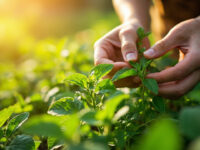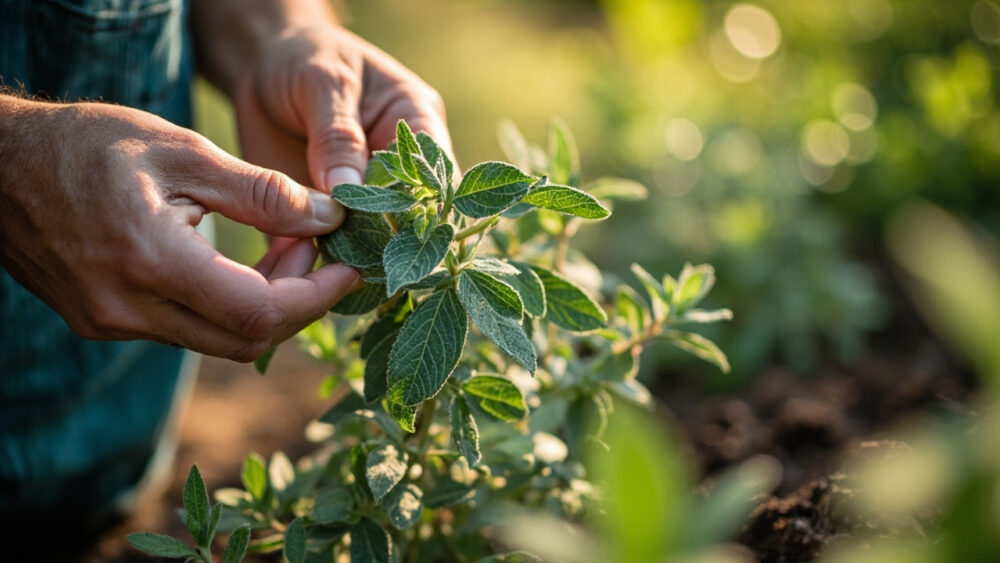
The best time to harvest sage is any time the leaves are big enough to use, but for the strongest flavor, snip stems in the morning after the dew dries and before the plant flowers. You can start light picking once the plant has at least 6 to 8 inches of growth, usually 8 to 10 weeks after planting. From there it is less about a calendar date and more about reading the plant in front of you.
Most people who ask how to harvest sage assume you just grab handfuls whenever you need some for the kitchen. That works fine for a few leaves here and there, but it is also how people accidentally stunt a young plant or strip a mature one right before it needs its energy for winter.
There is one cut that ruins flavor without the plant looking any different, a sign gardeners misread as “too late to harvest” when it actually means something else entirely, and a real answer to the question you are about to ask next: how much can you take without hurting the plant. All of that is coming, and the printable Sage at a Glance card is waiting at the bottom for you to save.
The Signs Sage Is Ready to Cut
Sage does not ripen the way a tomato does. It is ready in stages, and the plant tells you with size, texture, and smell.
Size and leaf count
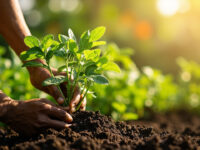
Wait until stems carry at least 4 to 6 pairs of leaves before cutting anything substantial. A first-year plant needs to build a root system before it can spare much foliage. Established plants, two years old or more, can handle heavier cutting much earlier in the season.
Texture and color
Ready leaves feel slightly thick and a little fuzzy, not thin or floppy. Color should be a solid gray-green, not pale yellow-green, which usually means the plant wants more sun or the soil is too wet.
The smell test
Crush a leaf between two fingers. If the oil hits you immediately, sharp, a little peppery, unmistakably sage, it is ready. Weak smell means the plant needs another week or two of sun before the essential oils build up.
Once the smell test passes, the only real question left is when in the season to start cutting hard.
Timing: When to Harvest and What Happens If You’re Off
Light, ongoing harvest can start in late spring once new growth is established, roughly 8 to 10 weeks after planting or as soon as the soil has warmed and the plant has pushed several inches of new stem. The heaviest cutting, if you are drying or preserving a big batch, comes right before the plant flowers, typically early to mid summer depending on your climate.
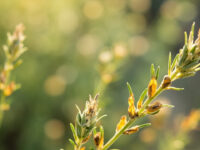
Here is the part almost everyone gets backward. Many gardeners assume that once sage flowers, it is past its prime and they missed the window. Flowering does not mean the leaves have gone bad. It means flavor is about to drop, because the plant is redirecting energy into blooms instead of oil-rich foliage.
Cut hard just before flowering and you get the most concentrated flavor of the whole season. Wait until after flowering and the leaves turn milder and slightly bitter, still usable, just not the peak batch you wanted for drying.
Go too early and you are cutting leaves before the oils have developed, which is why a spring-harvested sprig tastes thin compared to one cut in summer. Go too late in the season, after several hard frosts, and the plant’s remaining leaves toughen up and lose aromatic punch as it shuts down for winter.
Timing tells you when, but technique determines whether the plant bounces back for another round.
How to Harvest Sage Without Damaging the Plant
Sage is a woody-based perennial, and how you cut it matters more than most herbs because it does not regenerate from bare wood the way basil or mint does.
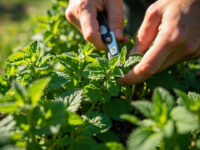
- Use clean, sharp scissors or pruning snips rather than pinching or tearing, which crushes the stem and invites rot at the cut.
- Cut just above a leaf node, the point where a leaf or side shoot meets the stem, leaving at least 2 to 3 inches of green growth below the cut.
- Never cut into bare woody stem on an established plant. Old wood is slow to resprout and sometimes will not resprout at all.
- Take no more than one-third of the plant at any single harvest, whether you are snipping a few sprigs or doing a big cutback before flowering.
On a young, first-year plant, be more conservative. Take individual leaves or short tips rather than whole stems until the plant has real bulk.
Cutting correctly protects next month’s harvest, but what you do in the next ten minutes protects this one.
Right After You Cut: Don’t Let the Harvest Wilt
Sage holds up better than soft herbs like basil, but it still loses aroma fast if you let it sit in a hot car or on a sunny counter.
Get cut stems into water or a damp cloth within 15 to 20 minutes if you are not using them immediately. A jar of water on the counter, treated like cut flowers, keeps sage fresh for several days in the fridge.
If you are harvesting for drying rather than fresh use, skip the water entirely. Wet stems dry slower and are more prone to molding during the curing process.
Either way, the next decision is whether you are using this batch now or saving it for later.
Keeping the Harvest Coming: Regrowth, Drying, and Storage
Sage regrows steadily through the growing season as long as you never cut past that one-third rule and always leave a node’s worth of leaf behind. Expect a usable flush of new growth within 2 to 4 weeks of a moderate harvest, faster in warm, sunny conditions.
For fresh use, sage keeps 1 to 2 weeks refrigerated, wrapped loosely or standing in water. For long-term storage, hang small bundles of stems upside down in a warm, dry, airy spot out of direct sun.
Dried sage is ready when leaves crumble easily between your fingers, usually 1 to 2 weeks depending on humidity. Strip the dried leaves off the stems and store whole rather than crushed. Crushed sage loses flavor fast; whole dried leaves hold their oils for close to a year in a sealed jar out of light.
One more hard cutback before the first frost, taking no more than a third of the plant again, gives you a final good harvest before growth slows for winter.
Sage at a Glance
- When to start harvesting: once stems have 4 to 6 leaf pairs and crushed leaves smell strongly aromatic, usually 8 to 10 weeks after planting.
- Peak harvest window: just before flowering, typically early to mid summer, for the most concentrated flavor.
- How much to take: never more than one-third of the plant at once, and never cut into bare woody stem.
- Where to cut: just above a leaf node, leaving 2 to 3 inches of green growth below the cut.
- Fresh storage: in water or wrapped loosely in the fridge, good for 1 to 2 weeks.
- Drying: hang bundles in a warm, dry, airy spot; leaves are done when they crumble easily, about 1 to 2 weeks.
- Last harvest of the season: one final light-to-moderate cut before the first hard frost.
Cut above the node, respect the one-third rule, and sage will keep feeding you all season.
Get the timing right once and you will read the plant correctly from here on out.