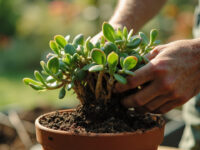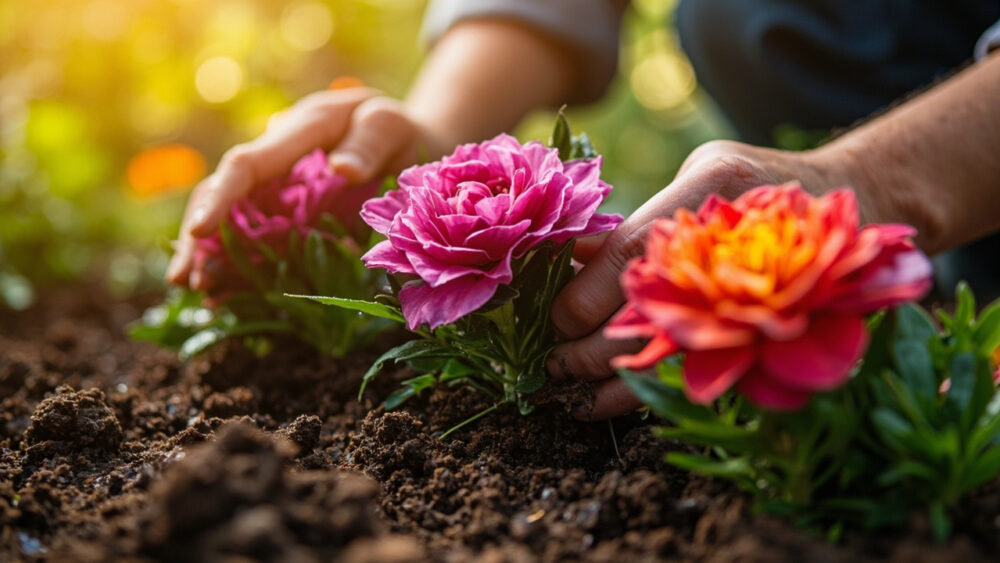
Moss rose (Portulaca grandiflora) grows best from seed or nursery starts planted after the soil warms past 65°F, spaced 6 to 12 inches apart in full sun, in soil so lean and fast-draining it would make most flowers sulk. It wants heat, neglect, and light hands with the watering can, which is exactly backwards from how most people treat a new flower bed. Get that part right and you will have a groundcover blanketed in papery, jewel-colored blooms from early summer until frost.
Here is what trips people up before they even get that far. There is a moisture mistake almost everyone makes in the first two weeks, and it is not the one you think. There is a sign of trouble that looks exactly like overwatering but means the opposite. And there is an honest answer to the question every moss rose grower eventually asks: why did my flowers stop opening in the afternoon?
All of that is coming, section by section. Stick around to the bottom for the saveable Moss Rose at a Glance card so you have every number in one place without digging back through this page.
When to Plant Moss Rose
Wait until nighttime lows are reliably above 50°F and the soil has warmed past 65°Fwhich usually lands two to three weeks after your last spring frost date. Moss rose is a warm-season annual in most zones (it’s a tender perennial only in zones 9 to 11) and cold, wet soil will rot seeds and stall transplants before they get going.
If you’re starting seed indoors, begin six to eight weeks before that warm-soil date, since the seeds are tiny and slow the first few weeks. Direct-sown seed is honestly just as reliable once the soil is warm, and a lot less fuss.
Zone matters here more than the calendar does. In zone 5 or 6 that might mean late May; in zone 9 it could be April. Go by soil temperature, not the date on a seed packet.
Get the timing right and the next decision, where you actually put it, becomes a lot more forgiving.
Choosing the Spot and Prepping the Soil
Moss rose needs at least 6 hours of direct sunand it genuinely performs better with 8 or more. Shade is the single fastest way to get a leggy plant with few flowers, no matter how well you feed it.
Now for the soil mistake almost everyone makes. It’s not forgetting to feed it, it’s amending the bed with rich compost like you would for tomatoes. Moss rose evolved in poor, gritty, fast-draining soil, and rich, moisture-retentive soil is what causes root and stem rot, not a lack of nutrients.
If your soil is heavy clay, work in coarse sand or fine gravel rather than compost, aiming for something that drains within a few seconds when you pour water on it. Containers and raised beds with a cactus or succulent mix work beautifully too.
Once the bed drains like it should, planting itself is almost foolproof.
Planting Moss Rose Step by Step
From seed
- Scatter seed on top of the soil and press gently; it needs light to germinate, so don’t bury it.
- Keep the top half inch of soil lightly moist until germination, which takes 7 to 14 days at 70 to 75°F.
- Thin seedlings to 6 to 12 inches apart once they have two or three true leaves.
From nursery starts
- Dig a hole no deeper than the root ball, since planting too deep invites stem rot.
- Space plants 6 to 12 inches apart. They spread fast and will fill gaps within weeks.
- Water in once at planting, then back off and let the soil dry before the next drink.
That first watering is the last generous one you’ll give for a while.
Watering and Feeding Through the Season
Here’s the moisture mistake almost every new grower makes: they treat the first two weeks like any other transplant and keep the soil constantly damp to help it “settle in.” Moss rose reads that as an invitation to rot at the base.
Water only when the top 1 to 2 inches of soil are drythen soak and walk away. Established plants often go a full week or more without water in average weather, and mature moss rose tolerates real drought without complaint.
Feeding follows the same lean philosophy. Skip high-nitrogen fertilizer entirely, it produces soft, leggy growth and fewer flowers. A diluted balanced or bloom-boosting fertilizer once a month, or a light topdressing of compost in spring, is plenty.
Now here’s the sign that looks exactly like overwatering but isn’t: stems going soft and yellowing at the base can also mean the plant is bone dry and stressed, especially in containers that dried out completely and then got flooded to compensate. Check soil moisture before you assume either direction.
Get the water and food dialed in lean, and most of the season’s problems never show up at all.
Problems to Watch For
Moss rose is genuinely one of the toughest annuals you can grow, but a few issues do show up.
- Stem and root rot: caused almost always by wet, heavy soil or overwatering. Improve drainage and cut back watering. Badly rotted plants usually cannot be saved.
- Aphids: small clusters on new growth and flower buds. A strong water spray or insecticidal soap applied per the product label usually clears light infestations.
- Leggy, sparse growth with few flowers: almost always insufficient sun or too much nitrogen, not a pest or disease at all.
- Flowers not opening: covered fully in the next section, but note it here because it’s often mistaken for a health problem when it isn’t one.
Speaking of flowers that won’t open, that’s the follow-up question almost everyone eventually asks.
When Moss Rose Blooms, and Why the Flowers Close Early
Moss rose typically starts blooming 6 to 8 weeks after sowing, and once it starts, it does not really stop until frost. There’s no harvest date to track since you’re growing it for continuous color, not a crop, though the flowers are edible as a garnish and can be picked anytime once open.
Here’s the honest answer to why your flowers close by early afternoon: that’s completely normal, not a problem to fix. Most moss rose varieties open in full sun and close within a few hours, especially on hot afternoons or cloudy days.
Newer hybrid series stay open longer into the afternoon and even on overcast days, so if all-day color matters to you, look for those on the plant tag rather than assuming your growing conditions are at fault.
Deadheading isn’t required, but shearing plants back by a third mid-season keeps them dense and can trigger a fresh flush of bloom.
All of that adds up to one simple system, and here it is in one place.
Moss Rose at a Glance
- When to plant: two to three weeks after your last frost, once soil is above 65°F and nights stay above 50°F.
- Sun and soil: full sun, 6 to 8 hours minimum, in lean, gritty, fast-draining soil, no rich compost.
- Spacing and depth: 6 to 12 inches apart, seed pressed on the surface, transplants set no deeper than the root ball.
- Watering: only when the top 1 to 2 inches of soil are dry, then soak thoroughly and let it dry out again.
- Feeding: light and infrequent, a diluted balanced fertilizer monthly at most, skip high-nitrogen formulas.
- Bloom time: starts 6 to 8 weeks from sowing and continues until frost, flowers often close by afternoon on standard varieties.
- Biggest risk: overwatering and rich soil, the two things that cause more failures than pests or cold ever do.
Moss rose fails from too much kindness far more often than too little.
Give it sun, lean soil, and a light hand with the hose, and it will outlast almost everything else in the bed.