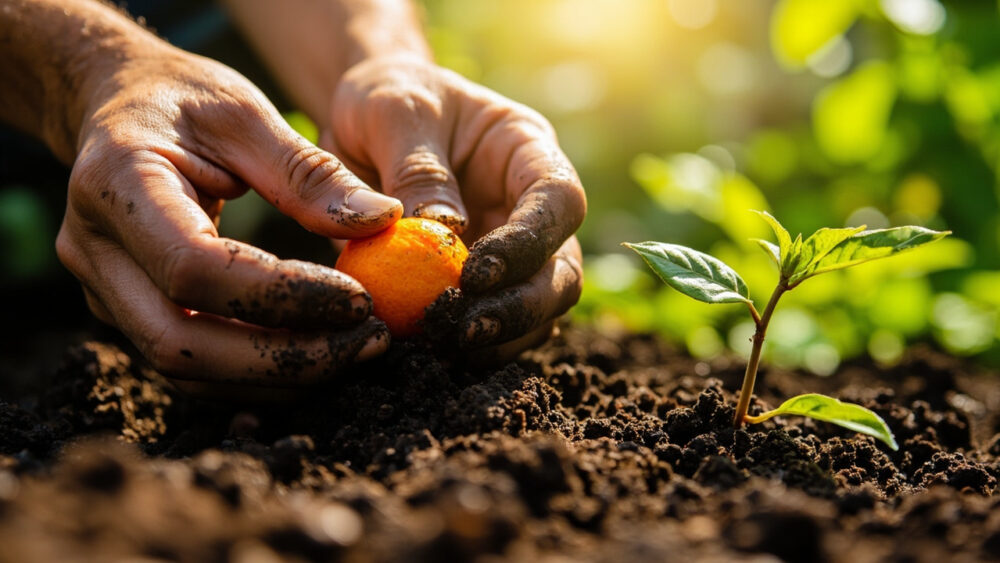
Growing mandarin oranges from seed is easy to start and slow to finish: seeds sprout in two to four weeks at 70 to 80°F, but a tree grown this way needs seven to fifteen years and a lot of winter protection before you see fruit. That is not a typo, and it is the part most people find out too late. If you want oranges soon, buy a grafted tree. If you want the actual experience of growing one from a seed you pulled out of your own mandarin, this guide gets you there honestly.
There is one mistake that sinks almost every attempt before it even starts: letting the seed dry out between the fruit and the soil. A dried mandarin seed germinates poorly or not at all, and nobody warns you until yours has already sat on the counter for three days.
There is also a sign everyone misreads later on, when a healthy young tree drops its leaves after a move indoors, and a follow-up question almost nobody asks until their tree is five years old and still hasn’t flowered. I’ll answer all of it, including whether you’ll ever actually get fruit, and there’s a save-able Mandarin Oranges at a Glance card waiting at the bottom once you’ve got the full picture.
When to Start Mandarin Seeds
Mandarin seeds don’t care about your last frost date the way tomatoes do, because these are houseplants-turned-outdoor-trees in most of the United States, not garden annuals. Start seeds indoors any time, though late winter to early spring gives a seedling a full growing season of warmth and light before its first winter.
If you live in USDA zone 9 or warmer with mild winters, you can eventually grow the tree outdoors year-round. Everyone else is growing a container tree that summers outside and winters indoors near a bright window.
Timing the start date matters less than timing the seed itself.
Sowing Mandarin Seeds Step by Step
Fresh is everything here. Pull seeds straight from a ripe mandarin, rinse off the fruit pulp under water, and plant them the same day if you can, within 48 hours at the outside.
Depth and medium
Plant seeds about half an inch deep in a well-draining seed-starting mix or a mix of potting soil and perlite. Use small pots, one seed per 3-inch pot, since mandarin seedlings resent being disturbed young.
Temperature and moisture
Keep the soil consistently moist, not soggy, and hold the temperature between 70 and 80°F. A seedling heat mat helps a lot if your house runs cool. Cover the pot loosely with plastic wrap to hold humidity until you see sprouts.
Light
No light is needed until germination. Once sprouts appear, move them into bright light immediately, a south-facing window or grow light, or you’ll get a tall, weak, leggy seedling reaching for a light source that isn’t there.
Get the seed in fresh, warm, and moist, and germination takes care of itself.
Germination: What to Expect and When to Worry
Expect a sprout in two to four weeks, sometimes faster in consistently warm conditions. It’s common for one seed to send up two or even three seedlings from a single planting, since citrus seeds are often polyembryonic.
If you assumed you should thin those down to one immediately, hold off. Let them grow a few inches first, then snip the weaker sprouts at the soil line rather than pulling them, so you don’t disturb the root of the one you’re keeping.
Worry only if nothing has emerged by six weeks in warm soil, which usually means the seed dried out before planting or rotted from soil that stayed too wet.
A slow start is normal, a totally silent pot after six weeks means it’s time to replant with a fresher seed.
Hardening Off and Transplanting
Mandarin seedlings don’t need the aggressive hardening-off routine you’d give tomato transplants, but they do need a transition, not a shock. Once a seedling has three or four true leaves and outdoor temperatures are reliably above 55°F at night, start setting it outside in shade for an hour or two a day, building up over one to two weeks.
Skip this step and move it straight into full sun, and the leaves will scorch or the whole plant will sulk and drop leaves within days.
Transplant into a pot one size up, maybe 6 to 8 inches across, once roots show through the drainage holes, using a citrus-specific potting mix or a well-draining standard mix with extra perlite. Never bury the stem deeper than it was growing before.
This is also where most container mandarins live for years, since they only need repotting every one to two years as they outgrow the pot.
Get the transplant right and the tree spends its energy growing instead of recovering.
Care Through the Season
Mandarins want at least six hours of direct sun daily, more is better. Indoors, that means the sunniest window you have, and even then supplemental grow lighting helps through the darker months.
Water when the top inch of soil goes dry, not on a fixed schedule, since a plant sitting in constantly wet soil will lose roots to rot faster than one that gets slightly thirsty between waterings. Feed with a citrus fertilizer during the active growing months, spring through late summer, and taper off in fall and winter when growth naturally slows.
This is the leaf-drop moment everyone misreads. A mandarin that gets moved indoors for winter often drops a batch of leaves within a week or two, and people assume they’ve killed it.
Usually you haven’t. It’s adjusting to lower light and different humidity, and new leaves typically follow once it settles in, as long as the roots are still healthy and the soil isn’t soggy.
Keep the tree warm, bright, and consistently but not constantly moist, and it will outgrow several pots before it ever thinks about flowering.
When It Reaches Bloom and Harvest
Here’s the honest answer to the question that’s been sitting under all of this: a mandarin grown from seed typically takes seven to fifteen years to flower and fruit, and some never do reliably in container conditions, especially if winter light is thin. Grafted nursery trees fruit in two to three years precisely because they skip this juvenile phase entirely.
When a seed-grown tree finally is ready, you’ll see fragrant white five-petaled flowers in spring, and if pollination succeeds, small green fruits that slowly swell and color up over several months, often not ripening until the following winter.
Fruit quality from seed-grown trees is also a gamble. Because mandarin seedlings can vary from the parent fruit, and some citrus seeds are true clones of the parent while others are seedling hybrids, you genuinely don’t always know what you’ll get until it fruits.
That uncertainty is the real tradeoff of growing this way, and it’s worth deciding upfront whether you’re growing for the process or for guaranteed fruit.
Mandarin Oranges at a Glance
- When to plant seeds: any time indoors, ideally late winter to early spring, using fresh seed within 48 hours of removing it from the fruit.
- Depth and spacing: half an inch deep, one seed per 3-inch pot, in well-draining potting mix with added perlite.
- Germination window: two to four weeks at 70 to 80°F, worry only past six weeks with no sprout.
- Light needs: bright light immediately after sprouting, at least six hours of direct sun once established.
- Watering: when the top inch of soil is dry, never letting the pot sit in standing water.
- Time to fruit: seven to fifteen years from seed, versus two to three years for a grafted nursery tree.
- Winter care: bring container trees indoors below 55°F at night, expect some leaf drop while it adjusts.
The seed will sprout fast and easy. The fruit is the part that asks for your patience, not your skill.
If you want oranges this decade, plant a grafted tree alongside your seedling and let the seed-grown one be the long game.