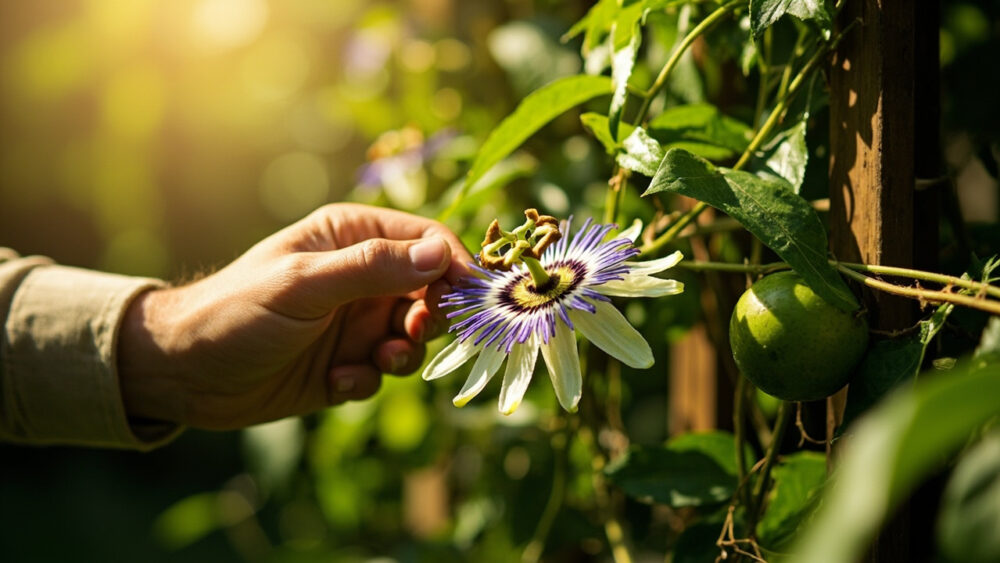
Passion fruit growing stages run from germination to first flowers to fruit, and the timeline surprises most people: a vine can look magnificent by midsummer and still not fruit until its second year. From seed or a small nursery plant, expect roughly 12 to 18 months to first flowers under good conditions, and another 60 to 90 days after a successful bloom before fruit is ready to pick. That gap between “the vine looks amazing” and “I finally got fruit” trips up more growers than any pest or disease ever does.
There is one stage where almost everyone loses the season without realizing it, and it has nothing to do with watering or fertilizer. There is also a sign growers misread constantly, mistaking a perfectly normal pause in growth for a dying plant, and pulling it out right before it would have taken off.
I will walk through every stage in order, flag the one that ruins the most attempts, and tell you how to tell real trouble from a normal stall. Save-able specifics, including bloom timing and fruit color cues, are in the Passion Fruit at a Glance card at the very bottom.
Germination: Weeks 1 to 4
Passion fruit seed is slow and stubborn. Even fresh seed, soaked overnight and kept at 75 to 85°F, often takes 2 to 4 weeks to sprout, and old seed can take twice that or fail outright.
What you will see: nothing, for a long time, then a single pale shoot that unfolds two seed leaves. Keep the medium moist but not soggy during this stretch. A propagation mat or a warm spot on top of the fridge speeds things up more than any additive.
Most home growers skip this entirely and start with a nursery vine, which is the smarter move if you want fruit sooner.
Either way, the next stage is where the plant decides how strong its foundation will be.
Seedling and Young Vine: Months 1 to 4
Once true leaves appear, growth is steady but modest. The plant is building roots and a few feet of vine, not racing yet.
What it needs from you: a pot at least 5 gallons if it is not going in the ground yet, bright light, and a trellis or string to climb as soon as tendrils appear, usually within the first couple months. Passion fruit is a tendril climber, it will not stand on its own, and a vine left to flop on the soil rots or gets eaten.
Space in-ground plants 8 to 15 feet apart depending on trellis type, since a mature vine easily covers 15 to 20 feet.
This is also the stage where the season gets decided, and not for the reason most people expect.
The Stage Where Most Attempts Go Wrong
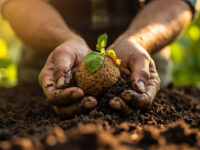
If you guessed the fruiting stage is where things fall apart, that is a reasonable guess and it is wrong. The real failure point is transplant and root disturbance during the young vine stage. Passion fruit roots are brittle and resent disruption, and a vine that gets shocked here often stalls for months or never fully recovers its vigor.
The fix is simple but easy to skip: pot up gradually instead of jumping straight from a 4-inch nursery pot into the ground, and handle the root ball as little as possible when you do transplant. Water in well and expect a short sulk, a few days of no visible growth, as normal.
What is not normal is yellowing leaves that drop steadily for weeks, which usually means the roots sat wet and started rotting.
Get the vine through this window intact and the rest of the timeline mostly takes care of itself.
Vigorous Vining: Months 4 to 12
Once established, passion fruit grows fast, sometimes 1 to 2 feet a week in warm weather with consistent moisture.
What it needs: full sun, at least 6 to 8 hours daily, regular water so the soil stays evenly moist an inch or two down, and a balanced or slightly phosphorus-forward feed every 4 to 6 weeks through the growing season. Prune the growing tip once the main vine reaches your trellis top, since this pruning is what triggers the lateral, flower-bearing side shoots.
Skip that pruning step and you get a tangle of vine with very few flowers, which is another quiet season-killer nobody warns you about.
Vigorous vining feels like the finish line, but flowering is a separate switch that has to be flipped.
First Flowers: Typically Month 10 to 18
Flowering is triggered by day length and vine maturity, not just size, which is why a huge vine can still refuse to bloom in its first year. Most passion fruit needs to be a full growing season old, sometimes two, before it flowers reliably.
The sign everyone misreads: a vine that stops adding obvious new growth right around when flower buds should start forming. Growers assume this means decline. It usually means the plant is shifting energy from vegetative growth into bud production, which is exactly what you want.
Flowers themselves are large, intricate, and open for only a single day, usually opening in morning and closing by afternoon.
Open flowers bring the next question everyone asks immediately: why aren’t they turning into fruit.
Pollination: The Step Everyone Underestimates
Here is the honest answer to that follow-up question. Many passion fruit varieties are not reliably self-fertile, and even self-fertile types set fruit far better with help. Large carpenter bees are the natural pollinators in most regions, and where those bees are scarce, flowers open and drop with no fruit forming at all.
Hand pollination fixes this fast: using a small brush or cotton swab, transfer pollen from the flower’s anthers to the sticky stigma in the center, ideally late morning while the flower is fully open. Do this for a week or two of bloom and you will usually see a dramatic jump in fruit set.
No pollination, no fruit, no matter how healthy the vine looks.
Once a flower is successfully pollinated, the countdown to actual fruit finally starts.
Fruit Development: 60 to 90 Days After Pollination
A pollinated flower leaves behind a small green swelling at its base, which is the baby fruit. It grows steadily over 8 to 12 weeks, starting marble-sized and finishing at a typical golf ball to small egg size depending on variety.
What to watch: the fruit stays firm and green for weeks, then color shift begins in the final stretch, purple varieties turning deep purple, yellow varieties turning golden. The skin also starts to wrinkle slightly right before it is fully ripe.
Do not pick early hoping it will ripen off the vine well, since flavor and sugar develop mostly in those last few days attached to the plant.
Ripe fruit answers its own question about timing in a way nothing else on the vine does.
Ripe and Ready: The Drop Test
You do not need to guess ripeness. Passion fruit tells you by falling.
A ripe fruit drops from the vine on its own, usually already showing full color and a wrinkled skin. Fruit that falls green or smooth-skinned dropped early from stress, wind, or a pollination issue, not true ripeness.
Pick up dropped fruit daily rather than letting it sit on soil, since ground contact invites rot and pests fast.
That daily drop is also your best early warning system for whether the vine is thriving or just coasting.
Healthy Progress vs. a Real Stall
A healthy vine shows some visible change every week or two during the growing season: new tendrils, longer runners, fatter buds, or fruit slowly swelling. Brief pauses after transplanting, pruning, or a cold snap are normal and usually resolve within 1 to 2 weeks.
A real stall looks different: no new growth for a month or more during warm weather, leaves that yellow and drop steadily rather than just one or two older leaves aging out, or flowers that form and drop without ever opening. That pattern usually points to root stress, insufficient light, or nutrient trouble worth investigating rather than patience.
Everything above compresses into one quick reference, which is the part worth screenshotting.
Passion Fruit at a Glance
- When to plant: after all frost risk has passed and soil has warmed, since passion fruit is a tropical to subtropical vine that stops growing below roughly 50°F and is damaged by frost.
- Time to first flowers: typically 10 to 18 months from a young plant, sometimes longer in cooler climates or containers.
- Time from flower to ripe fruit: about 60 to 90 days after successful pollination.
- Spacing and support: 8 to 15 feet apart in ground with a sturdy trellis or fence, since vines regularly reach 15 to 20 feet.
- Pollination: hand-pollinate late morning with a brush if fruit set is poor, since many varieties need help beyond wind or casual insect visits.
- Ripeness sign: fruit drops on its own with full color and slightly wrinkled skin, never pick green fruit hoping it ripens off the vine.
- Biggest early mistake: disturbing the roots during transplant, which stalls growth for months if the root ball is roughly handled.
Passion fruit rewards patience more than fussing. Get the roots undisturbed early and the pollination step right, and the vine handles the rest of its own timeline.