A pineapple plant takes 18 to 24 months from a rooted top or offset to a ripe fruit, and if you’re starting from seed, add another 6 months or more on top of that. There’s no shortcut around this. Pineapples are slow by nature, not because you’re doing anything wrong.
That said, the answer changes a lot depending on how you started your plant, how warm and sunny its life has been, and whether you’re growing it in the ground in a tropical climate or in a pot on a windowsill in Ohio. A plant sitting in a cool, dim corner may sit at the same size for a year and never bother making fruit at all.
Below I’ll walk through the real stage-by-stage timeline, what actually speeds things up versus what’s a waste of effort, and how to tell if your plant is just slow or genuinely stalled. Save the quick-reference card at the bottom for the numbers you’ll want to check back on.
The Honest Timeline, Start to Harvest
Most home growers start with a top cut from a grocery store pineapple, and that’s the timeline I’ll use as the baseline. Rooting takes 4 to 8 weeks. Once rooted and growing, the plant spends 12 to 18 months building up leaves and stored energy before it’s mature enough to flower.
After that, the flower stalk emerges and the actual fruit takes another 5 to 6 months to develop and ripen. Add it up and you’re looking at roughly 18 to 24 months total, sometimes stretching to 3 years for a windowsill plant in a cooler climate.
That long middle stretch, where the plant just grows leaves and does nothing else, is the part that convinces most people something’s wrong.
What Actually Controls the Speed
Three things move this timeline more than anything else: variety, temperature, and light. Temperature matters most. Pineapples want it warm, ideally 65 to 85°F, and growth slows dramatically below 60°F and stalls out below 50°F.
Light is the second lever. A pineapple in full sun outdoors in a warm climate builds mass far faster than one getting a few hours of window light indoors. Indoor plants routinely take 6 to 12 months longer to reach flowering size than outdoor plants in Florida, Hawaii, or similar zones (roughly USDA zone 10 and warmer, where pineapples can live outside year-round).
Variety plays a smaller role. Smooth Cayenne, the common grocery store type, is fairly average in speed. Some ornamental and dwarf types flower a bit faster but produce smaller, mostly decorative fruit.
Get the temperature and light right and you’re already ahead of most windowsill growers.
Stage by Stage: What to Actually Expect
Knowing what each phase looks like keeps you from panicking mid-process.
- Rooting (weeks 1 to 8): the crown top sits with roots developing, little visible top growth.
- Vegetative growth (months 2 to 14 or so): the plant builds a rosette of stiff, spiky leaves, growing wider and taller but showing no flower.
- Maturity signal (around 12 to 18 months): the plant reaches roughly 2 to 3 feet across with 20 to 30 mature leaves, the point where it’s finally capable of flowering.
- Flowering (a few weeks): a red-purple cone-shaped stalk rises from the center, followed by small blue-purple flowers opening in sequence up the cone.
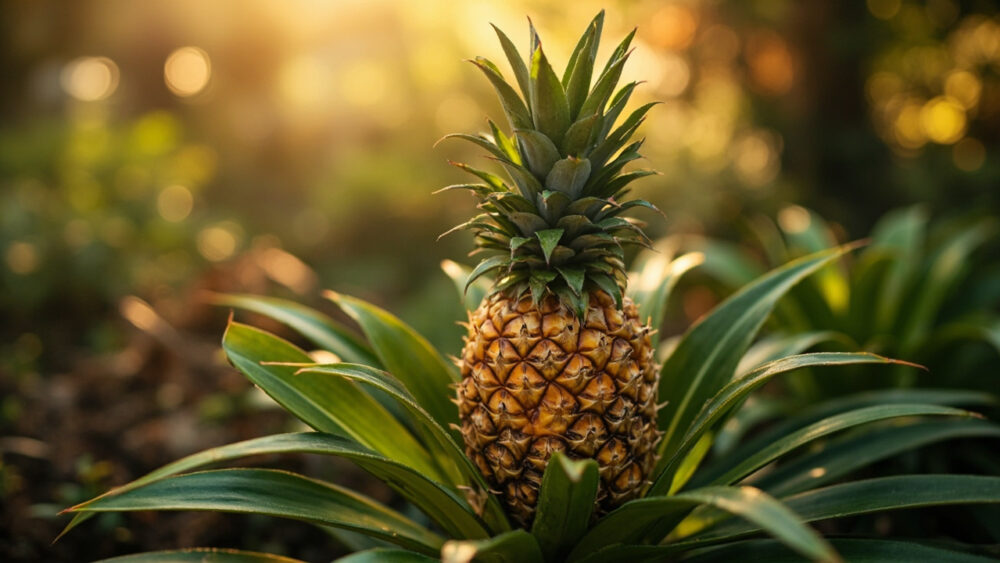
- Fruit development (5 to 6 months): the flower cone swells into the recognizable fruit, green at first, slowly shifting to gold-yellow as it ripens.
The jump from a plain rosette of leaves to a flower stalk is the milestone every grower is actually waiting for.
How to Speed It Up, and What Doesn’t Work
You genuinely can shave months off this timeline, but only within limits. Heat and light are the real levers: keep the plant above 65°F consistently, and give it as much direct sun as you can, ideally 6 or more hours a day outdoors, or the sunniest window you have indoors with a grow light as backup in winter.
Feeding matters too. A balanced fertilizer every 6 to 8 weeks during the growing season, plus consistent but not soggy moisture, helps the plant bulk up faster toward flowering size.
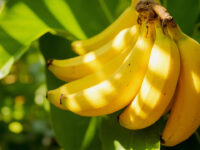
Some growers force flowering early using an ethylene trick, enclosing a mature-sized plant with ripening apples or bananas in a bag for a week or two, which can nudge a plant that’s already big enough into flowering sooner than it would on its own. It only works once the plant has enough leaf mass stored up. Doing it too early does nothing.
What doesn’t work: extra water, extra fertilizer beyond a normal schedule, or bigger pots than the plant needs. None of that substitutes for heat, light, and time.
Rushing size before the plant is ready just wastes fertilizer, not months.
Slow Is Normal. Here’s When It’s Actually a Problem
If you assumed a pineapple sitting still for a year means it’s dying, that guess is wrong more often than it’s right. Long stretches of no visible change are completely normal during the vegetative stage.
Look at the leaves instead of the calendar: healthy leaves stay firm, green to gray-green, and slightly cupped.
Real trouble looks different: leaves turning soft, yellow, or brown from the base upward, a mushy feel at the crown, or no new leaves at all for many months in a row despite decent warmth and light. That combination usually points to rot from overwatering or cold damage, not simple slowness.
A plant that’s merely slow just needs more warmth, more light, and more patience, not a diagnosis.
The reference card below has the numbers to check whenever you’re wondering if your plant is on track.
Pineapples: Quick Reference
- Total time from top to harvest: 18 to 24 months on average, up to 3 years indoors or in cooler climates.
- Rooting time: 4 to 8 weeks for a cut crown top before real growth begins.
- Vegetative stage: 12 to 18 months of leaf growth before the plant is mature enough to flower.
- Fruit development after flowering: 5 to 6 months from flower stalk to ripe fruit.
- Ideal temperature: 65 to 85°F, with growth stalling below 50°F.
- From seed instead of a top: add roughly 6 or more additional months before rooting-stage growth even begins.
- Best conditions for speed: full sun, consistent warmth, and regular light feeding, not extra water or fertilizer.
Pineapples reward patience more than effort. Get the warmth and light right, then let time do the rest.