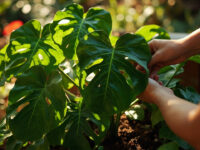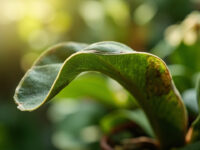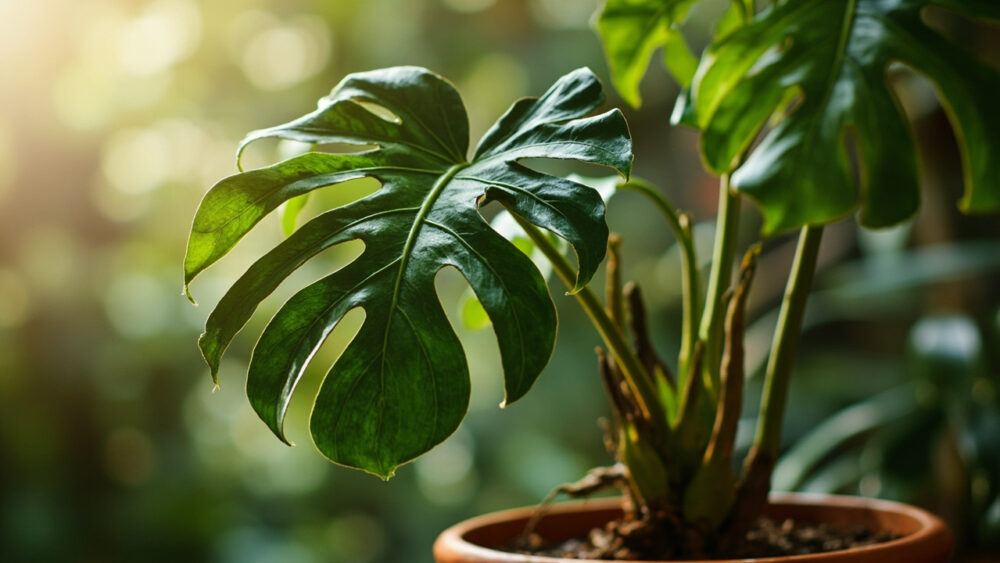
Monstera drooping is almost always thirsty roots, and the cause is usually too little water, not too much. When the soil dries out too far, the leaves lose rigidity and the whole plant flops toward the pot like it’s bowing. Water it deeply, and if the soil was bone dry more than an inch down, you’ll usually see the leaves firm back up within a day.
That said, plenty of droopy monsteras get worse after their owner waters them, because the real cause was root rot from overwatering, not drought. There’s one dead giveaway that tells you which of these two opposite problems you actually have, and it’s not the leaves, it’s what’s happening at the base of the plant.
Temperature stress, transplant shock, and a couple of pest problems can all cause the same sad slump, and each one wants a completely different fix. Stick with me and you’ll be able to point at your plant and say exactly what’s wrong with it, and at the bottom there’s a two-minute diagnosis checklist you can run right now, standing next to the pot.
The Causes, Most to Least Likely
Underwatering (soil too dry)
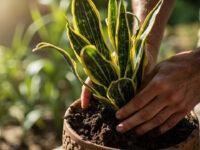
Confirm it: push a finger 2 inches into the soil. If it’s dry and crumbly, and the pot feels noticeably light when you lift it, this is your cause. Leaves usually droop evenly across the plant, older and newer leaves alike, and the soil may have pulled away from the pot’s edge.
Fix it by watering slowly and thoroughly until water runs from the drainage holes, then let the pot drain completely. Most monsteras want to dry out about halfway down the pot between waterings, not bone dry throughout.
But if watering doesn’t perk it up within a day or two, the problem might be at the roots, not in the soil.
Overwatering and root rot
Confirm it: the soil feels wet or soggy, especially more than a couple inches down, and it may smell sour or swampy. Slide the plant out of the pot if you can. Healthy roots are firm and pale tan to white; rotted roots are dark, mushy, and slip apart when you tug them.
This is the one everyone blames second and should blame first if the soil is actually wet. Watering a rotting plant more, thinking it’s thirsty, is the single most common mistake with drooping monsteras.
Fix it by removing the plant from its pot, trimming away all mushy dark roots with clean scissors, and repotting into fresh, fast-draining soil in a pot with real drainage holes. Water lightly for the next couple of weeks while new roots establish.
If more than half the root system is gone, the fix gets a lot less certain.
Cold drafts or heat stress
Confirm it: check the plant’s location. A spot near an AC vent, a drafty winter window, or a heater will do this. Monsteras sulk hard below about 55°F and above roughly 90°F, and drooping often shows up within a day of a cold night or a heat spike.
Leaves may droop and feel slightly limp or cool to the touch, without any change in the soil.
Fix it by moving the plant at least a few feet from vents, drafty glass, and exterior doors, and keeping it somewhere that stays between about 65°F and 85°F.
Temperature problems are easy to miss because the soil looks completely normal.
Transplant shock or recent repotting
Confirm it: did you repot in the last one to two weeks? Roots that were disturbed, trimmed, or exposed to air need time to re-establish, and the plant droops while it recovers, even with correct watering.
This is a temporary, self-resolving cause as long as you didn’t damage the roots badly going in.
Fix it by leaving the plant alone in bright, indirect light, keeping soil lightly moist but not wet, and not repotting again or fussing with it for at least two to three weeks.
Patience is the entire treatment here, which is exactly why people give up on it too soon.
Root-bound plant
Confirm it: the plant dries out unusually fast, sometimes within a day or two of watering, and roots are visible circling at the drainage holes or poking above the soil line.
A root-bound monstera can’t hold enough water to keep leaves turgid between waterings, so it droops on a fast, repeating cycle.
Fix it by moving up one pot size, ideally just 2 inches larger in diameter, and loosening the outer roots gently before repotting into fresh soil.
If the pot hasn’t been sized up in more than a year or two, this is worth checking even if you suspect something else.
Pest damage at the roots or stem
Confirm it: check the soil surface and stem base for tiny white insects (root mealybugs) or a fungus-gnat problem, and look for soft, discolored patches at the stem near soil level.
Pests are the least common cause of drooping but worth ruling out if watering and temperature both check out fine.
Fix it by isolating the plant, treating according to the label of an appropriate houseplant insecticide or systemic treatment, and repotting into fresh soil if root mealybugs are present.
Once pests are ruled in or out, you’re ready to line every cause up side by side.
How to Tell the Causes Apart
The fastest tell is the soil itself. Dry and light points to underwatering. Wet, heavy, or sour-smelling points to overwatering or rot.
Where the drooping starts matters too. Overwatering and rot tend to hit the newest growth first, since damaged roots can’t feed new leaves. Underwatering tends to droop the whole plant evenly, old and new leaves together.
Speed is another clue. Temperature stress shows up within a day. Root rot builds over a week or two and often comes with yellowing lower leaves and a slightly wobbly stem base.
If none of that narrows it down, the pot itself will.
Will It Recover?
Underwatering has the best odds by far. A thorough watering usually brings the plant back within 24 to 48 hours, with no lasting damage.
Root rot recovery depends entirely on how much root mass is left. Catch it early, with most roots still firm, and the plant usually rebounds within a few weeks after repotting. Lose more than half the roots and recovery becomes a real gamble, sometimes the top growth has to be sacrificed to save the plant at all.
Temperature stress and transplant shock both resolve on their own once the stressor is removed, typically within a week or two.
Root-bound plants and pest issues recover well once the physical problem is corrected, usually within two to four weeks of new growth.
Honestly, the only case where you should brace for a real loss is advanced rot caught late.
How to Keep It From Happening Again
Check soil moisture by feel, not by schedule. Stick a finger in 2 inches down before every watering, and only water when it’s dry at that depth.
Use a pot with drainage holes, always, and a well-draining mix rather than dense, water-retentive potting soil.
Keep the plant away from vents, radiators, and drafty single-pane windows, and give it consistent bright, indirect light, which supports steadier water use.
Repot every one to two years before roots get tightly bound, and inspect roots at every repot as a habit, not just when something looks wrong.
Get those habits in place and most drooping never happens in the first place, but if it does, here’s your two-minute diagnosis.
Diagnosis Checklist
- Push a finger 2 inches into the soil: if dry and crumbly, water thoroughly and expect recovery within 1 to 2 days.
- If the soil feels wet or smells sour, slide the plant out and check the roots: white or tan and firm means wait and water less, dark and mushy means trim rot and repot immediately.
- Check the plant’s location for drafts, vents, or heaters: relocate it if temperatures are likely below about 55°F or above 90°F.
- Ask whether you repotted in the last 2 weeks: if so, leave it alone and wait, this is likely shock, not a new problem.
- Check the drainage holes and soil surface for circling roots: if root-bound, plan to size up the pot by about 2 inches.
- Inspect the stem base and soil surface for tiny white pests or soft discolored spots: treat per label instructions if found.
- Note which leaves drooped first: newest leaves point toward root rot, all leaves evenly points toward underwatering.
Most drooping monsteras are one honest watering away from looking fine again by tomorrow.
Fix the soil, fix the pot, and this plant will forgive you almost every time.