The honest way to care for a zebra plant (Aphelandra squarrosa) comes down to four things it will not tolerate skipping: bright indirect light, evenly moist soil that never sits wet or goes fully dry, high humidity, and warmth above 60°F. Get those four right and the striped leaves stay glossy and the yellow flower spike shows up on schedule. Miss any one of them and this plant tells you fast, usually by dropping its lower leaves in protest.
That leaf drop is where most people go wrong. They see a few yellow leaves near the bottom and assume the plant is dying, when it is actually one of the most common and fixable signals in the whole houseplant world, and the real cause is rarely the one people jump to.
There is also a watering mistake that quietly kills more zebra plants than neglect ever does, and a “sign of thriving” everyone misses because they are watching the wrong leaves. Stick with me and I will walk through all of it, then hand you a save-able Zebra Plant at a Glance card at the very bottom you can pull up on your phone next time you are standing in front of one wondering what it needs.
Light, Placement, and Temperature
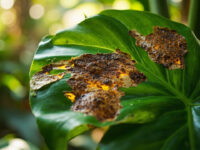
Zebra plant wants bright, indirect light, several feet back from an east or south window, or right in an unobstructed north window. Direct afternoon sun will scorch those dark green, white-veined leaves within days, leaving papery brown patches that never heal. Too little light and the plant stretches, the stripes fade, and it simply refuses to flower.
Temperature matters more here than with most houseplants. Keep it between 65°F and 80°F, and never let it sit below 60°F, even overnight. A drafty windowsill in winter or a blast of AC in summer will cause sudden leaf drop that has nothing to do with water or light.
This plant also wants humidity in the 50 percent range or higher, which rules out most bathrooms-are-humid-enough thinking unless you actually run a fan or humidifier.
Get the environment right first, because no amount of perfect watering will save a zebra plant sitting in a cold draft.
Watering: The Mistake That Actually Causes Most Leaf Drop
If you assumed those dropping bottom leaves mean the plant is thirsty, that guess is what kills most zebra plants, not drought. Overwatering and constantly soggy roots are the far more common culprit, and the plant’s mushy black stem base or collapsing lower leaves are the tell.
Water when the top inch of soil feels dry to a finger poked in, then soak thoroughly until water runs from the drainage holes and let the pot drain fully. Do not let it sit in a saucer of standing water. In most homes that is roughly once a week in summer and every 10 to 14 days in winter, but the finger test beats any calendar.
The plant wants consistently moist soil, not wet soil and not dry soil, which is a narrower window than people expect and exactly why this plant has a reputation for being fussy.
Nail this watering rhythm and you have already solved the problem behind most of the leaf drop you were worried about.
Soil, Potting Mix, and Feeding
Use a rich, well-draining potting mix, a standard peat or coir-based houseplant mix with some perlite works fine. It needs to hold moisture without staying waterlogged, and a pot with real drainage holes is non-negotiable here.
Feed every two to four weeks during spring and summer with a balanced liquid houseplant fertilizer diluted to half strength, then stop entirely from late fall through winter while growth slows. Overfeeding shows up as crispy brown leaf edges and salt crust on the soil surface, which people often mistake for a watering problem.
Skip feeding for a newly repotted plant for about a month, since fresh mix usually has enough nutrients to start.
Feeding solves color and flowering, but the routine tasks are what keep the whole plant in shape long term.
Pruning, Repotting, and Cleaning on a Schedule
Prune after flowering, cutting the spent flower spike off along with a couple of inches of stem below it. This is also your cue to pinch back leggy stems, which encourages the bushier growth zebra plant needs to look full instead of scraggly. Left unpruned, it gets tall, bare-legged, and top-heavy within a year or two.
Repot every one to two years in spring, moving up only one pot size, since an oversized pot holds excess water the roots cannot use fast enough. Rootbound signs are roots circling the drainage holes or the plant drying out within a day or two of watering.
Wipe the broad leaves down with a damp cloth every few weeks. Dust blocks light and invites spider mites, and this is one of the lowest-effort, most-skipped tasks in zebra plant care.
Even with all of that done right, zebra plant still has a short list of problems that show up on a predictable timeline.
The Problems Most Likely to Strike, and What Actually Fixes Them
Here is the honest troubleshooting list, because zebra plant is genuinely a bit demanding and pretending otherwise does not help anyone.
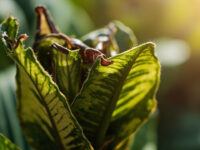
- Lower leaves yellow and drop: usually overwatering or cold drafts, sometimes just normal aging of the oldest leaves if it is one or two leaves total. Check soil moisture and location before panicking.
- Brown, crispy leaf edges: humidity too low or fertilizer buildup. Raise humidity and flush the soil with plain water occasionally.
- No flowers, ever: insufficient light or a plant that is too young or recently repotted. Give it another growing season in brighter light.
- Sudden leaf scorch: direct sun exposure, move it back from the window immediately.
- Fine webbing or stippled leaves: spider mites, common in dry indoor air. Increase humidity and wipe leaves; for persistent infestations, follow a labeled miticide or insecticidal soap exactly per its instructions.
Zebra plant is mildly toxic if chewed by pets or small children, causing mouth or stomach irritation. If you suspect a pet has eaten any part of it, call your veterinarian rather than waiting to see what happens.
Once you have ruled these out, the next question is simpler and more satisfying: how do you know it is actually happy.
The Real Sign This Plant Is Thriving
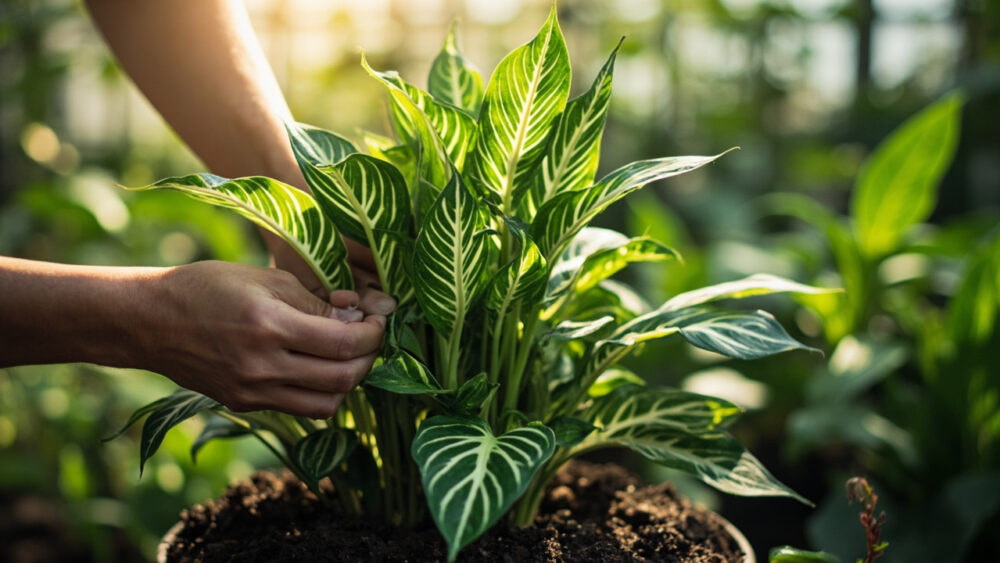
Most people watch for new leaves and stop there, but that is not the tell everyone thinks it is. New leaves happen even on a mediocre setup. The real sign is tight, upright new growth with stripes that look almost painted on, bold white veins against deep green, not faded or washed out.
A genuinely happy zebra plant will also push out its yellow, cone-shaped flower spike from the top of a mature stem, usually in late summer or fall. That flower is the plant’s way of confirming light, humidity, and feeding are all dialed in at once, since it will not bloom if any one of them is off.
Compact growth beats fast growth here. A zebra plant stretching quickly toward a window is asking for more light, not celebrating good care.
Everything above compresses down into one quick reference, which is the part worth actually saving.
Zebra Plant at a Glance
- Light: bright, indirect light, a few feet back from an east or south window or in an unobstructed north window.
- Temperature: keep between 65°F and 80°F, never below 60°F, away from drafts and AC vents.
- Watering: water when the top inch of soil is dry, soak fully, then let it drain, roughly weekly in summer and every 10 to 14 days in winter.
- Humidity: aim for 50 percent or higher, using a humidifier or pebble tray if your air runs dry.
- Soil and feeding: well-draining, moisture-retentive mix, fed every two to four weeks in spring and summer at half strength, none in winter.
- Routine care: prune after flowering, repot every one to two years in spring, wipe leaves clean every few weeks.
- Toxicity: mildly toxic to pets and people if ingested, contact a veterinarian for any suspected pet ingestion.
If you only remember one thing, remember the finger test before you water, since that single habit prevents most of the problems this plant ever has.
Everything else is just consistency, and zebra plant rewards consistency more than almost any houseplant you will grow.