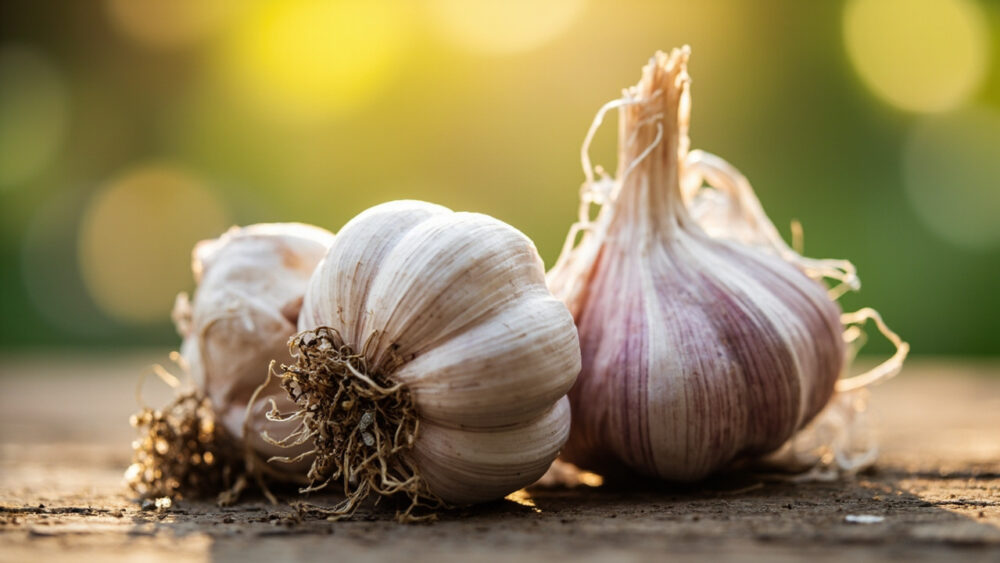
Yes, you can freeze garlic, and it holds up far better than most gardeners expect, as long as you skip the one step nearly everyone assumes they need. Peeled cloves, minced garlic, or garlic pureed with a little oil will all keep in the freezer for 6 to 12 months without turning bitter or rubbery. The method you pick changes the texture more than the flavor, so what matters is matching the prep to how you actually cook.
Here is the loop most people trip on: they think freezing garlic requires blanching it first, the way you would blanch green beans or corn. It does not, and blanching raw garlic before freezing is actually one of the fastest ways to ruin a batch. There is also a texture problem nobody warns you about until it happens in your own kitchen, and a storage-life question that has a more honest answer than “it lasts forever.”
Stick around for the mistakes section, because the freezer burn and the flavor loss almost everyone reports come from two specific habits, not from freezing garlic itself. And at the bottom, save the Garlic at a Glance card, it has every timing and texture fact from this article in one place so you do not have to scroll back through it later.
The Best Way to Freeze Garlic, Step by Step
The most reliable method is peeling whole cloves, pulsing them in a food processor with a splash of olive oil until roughly minced, and freezing that paste flat in a bag or in an ice cube tray. The oil keeps the garlic from clumping into one solid brick and lets you scrape off just what you need.
Whole peeled cloves also freeze fine on their own, no oil needed, if you would rather mince fresh each time. Lay them on a tray first so they freeze separately, then transfer to a bag once solid.
Either way, press the air out of the bag before sealing. Air is what causes freezer burn, not the garlic itself.
The texture question decides which of these two methods is actually right for you.
The Texture Trade-Off Nobody Mentions
Frozen garlic never goes back to being crisp and firm once thawed. It softens, and if you try to slice a thawed clove thin for a stir-fry, it will fall apart instead of holding a clean edge.
This is not spoilage, it is just what happens to garlic’s water content in the freezer. The fix is cooking around it rather than fighting it: frozen garlic is excellent minced straight into sauces, soups, marinades, and anything that hits a hot pan, because it cooks fast and the softness disappears into the dish.
Where it falls short is anywhere garlic needs to stay firm, like a garlic chip fried crisp or thin slivers on top of bruschetta. For that, you want fresh cloves, not frozen ones.
Knowing where frozen garlic shines tells you how long you can actually count on it lasting.
How Long Garlic Actually Lasts, Every Storage Method
Cured whole bulbs on the counter, stored somewhere cool, dark, and dry, keep for 3 to 6 months, sometimes longer for hardneck varieties in a cellar-like spot. This is the best storage method for garlic you plan to use within a season, and it beats freezing for flavor and texture every time.
Peeled cloves in the fridge, uncooked and unoiled, are only good for about a week before they start to dry out or mold.
Garlic in oil in the fridge is a special case: it must be used within about a week and kept cold, because garlic in oil at room temperature can support the growth of the bacteria that causes botulism. Never leave homemade garlic-oil mixtures unrefrigerated.
Frozen garlic, minced or whole, holds good flavor for 6 to 12 months. It will not spoil the way fresh garlic does, but flavor does fade slowly the longer it sits.
That range depends entirely on how well you prepped it before it went into the freezer.
Prep That Makes or Breaks the Batch
Do not blanch raw garlic before freezing it. Blanching is for vegetables with enzymes that keep breaking down texture and flavor in the freezer, like green beans or broccoli. Garlic does not have that problem, and blanching it just adds moisture and cooks the flavor out before it ever reaches your freezer.
Skip washing garlic before you peel and freeze it too. Cured bulbs should stay dry right up until you peel individual cloves, since moisture on the skin invites mold in storage and dilutes flavor once frozen.
Curing matters more than people expect. If you are freezing garlic straight from the garden, let the bulbs cure first, hanging or laid out somewhere warm and airy for 2 to 4 weeks until the outer skins turn papery. Garlic frozen before it cures has a wetter, blander flavor than garlic frozen after curing.
Good prep buys you time, but even well-prepped garlic can turn, and you need to know what that looks like.
The Signs Garlic Has Actually Turned
If you assumed a little green sprouting inside a clove means it is ruined, that guess causes more good garlic to get tossed than any real spoilage does. A green sprout just means the clove is starting to grow. It is still safe to eat, just pull the sprout out and use the rest, though the flavor will be milder.
What actually signals spoilage is different: a soft, mushy clove, a grayish or yellowing color inside, a sour or musty smell instead of garlic’s usual sharp bite, or visible mold, which shows up as black, green, or white fuzzy spots. Any of those mean the clove goes in the trash, not the pan.
In the freezer specifically, watch for ice crystals inside the bag or a grayish, dried-out look on the surface of cloves. That is freezer burn, and while it will not make you sick, the flavor is noticeably flat and the texture goes chalky.
Most freezer burn and flavor loss trace back to a short list of avoidable mistakes.
The Mistakes That Ruin a Batch
- Freezing in a bag full of air: air pockets cause freezer burn fast, so press every bit out before sealing, or use a vacuum seal if you have one.
- Freezing uncured, freshly dug garlic: it freezes wetter and blander, cure it first for real flavor.
- Blanching before freezing: unnecessary for garlic, and it cooks away flavor before storage even starts.
- Freezing one giant block instead of portions: you end up thawing far more than you need every time you cook, which wastes garlic and invites freezer burn on the leftover chunk that goes back in.
- Storing garlic-in-oil at room temperature: this is a genuine food safety risk, not just a quality one, keep it refrigerated and used within about a week.
Avoid those five and your frozen garlic will taste like garlic for the full stretch, not just the first month.
Garlic at a Glance
- Can you freeze it: yes, peeled cloves or minced garlic in oil both freeze well for 6 to 12 months.
- Blanch first: no, garlic does not need blanching before freezing, skip this step entirely.
- Best texture use: cooked into sauces, soups, and marinades, not for dishes needing crisp, firm garlic.
- Counter storage, cured bulbs: 3 to 6 months in a cool, dark, dry spot.
- Fridge storage, peeled cloves: about 1 week.
- Garlic in oil: refrigerate always, use within about 1 week, never leave at room temperature.
- Real spoilage signs: mushy texture, gray or yellow color inside, sour smell, visible mold, a green sprout alone is not spoilage.
Freeze it minced with a little oil, in flat portions, and skip the blanching step.
Do that and a single batch of garlic will carry you through most of a year of cooking.