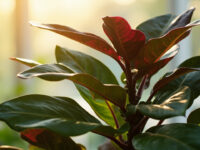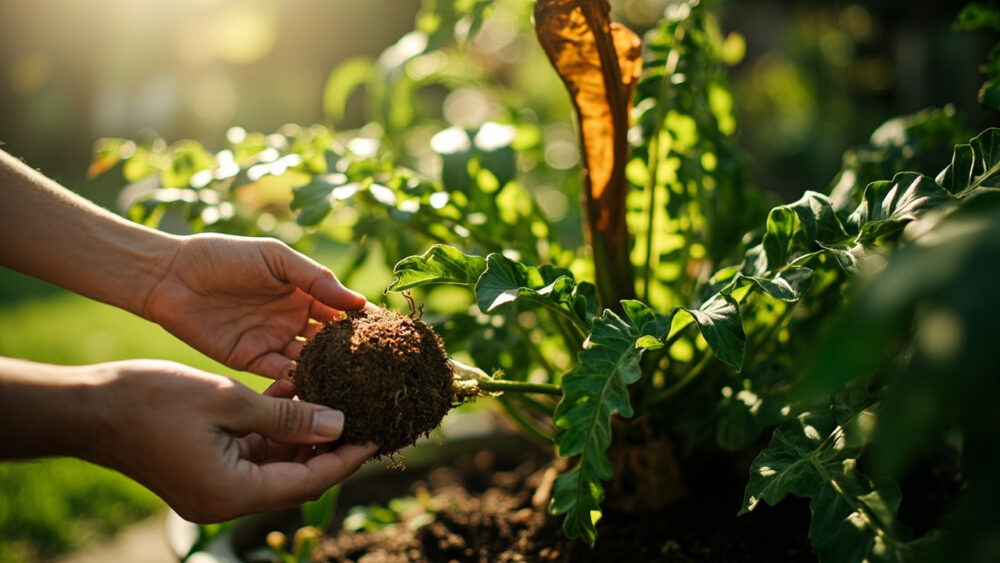
Bird’s nest fern care comes down to four things it will not compromise on: bright indirect light with zero direct sun, soil that stays evenly moist but never soggy, humidity above what most living rooms offer naturally, and a hands-off approach to the crinkled fronds unfurling from the center. Get those right and the plant is genuinely easy. Get any one wrong and you will watch the fronds brown, split, or turn to mush, usually with no clear warning until it is already happening.
Here is where most people lose theirs before it ever gets going: they touch or tug at the new growth curling up from the center rosette. That center is the plant’s only growing point, and if you damage it, that frond is done and the next one may come in scarred or not at all.
There is also a sign almost everyone misreads as a watering problem when it is actually something else entirely, and a follow-up question every new owner asks around month two that nobody answers straight. Stick around for both, plus the save-able Bird’s Nest Fern at a Glance card at the very bottom of this guide.
Light, Placement, and Temperature
Bird’s nest ferns want bright, indirect light, the kind you get a few feet back from an east or north window, or filtered through a sheer curtain on a south or west one. Direct sun will scorch the fronds into brown, papery patches within days, and there is no undoing that damage, only trimming it off later.
Too little light is quieter. Fronds stay small, growth slows to almost nothing, and the rosette looks flat instead of full.
Room temperature suits it fine, ideally 60 to 80°F, and it has zero tolerance for cold drafts, heating vents, or a spot near an exterior door in winter. A bathroom or kitchen with a bright window is often the best room in the house for this plant, purely because of the humidity that follows the plant into the next section.
Where you put the pot decides almost everything else you will have to manage.
Watering: How Much, How Often, and How to Tell
Water when the top inch of soil feels dry to a finger poked in past the first knuckle, which usually lands somewhere around every 7 to 10 days indoors, faster in a warm bright room and slower in winter. Water until it runs from the drainage holes, then let the pot drain fully and never let it sit in standing water.
If you assumed yellowing fronds mean the plant is thirsty, that guess is what kills more of these ferns than actual drought. Yellow, translucent, or mushy fronds almost always mean overwatering or a pot without drainage, not underwatering.
Underwatering shows up differently: fronds go crisp and brown at the tips first, and the whole rosette looks thinner and duller rather than mushy. Bird’s nest ferns also have a genuine shallow, delicate root system that resents both extremes, so consistency matters more than any exact schedule.
Get the water right and the soil underneath it is what makes that consistency possible.
Soil, Pot, and Feeding
Use a loose, well-draining mix built for aroids or orchids, or a standard potting mix cut with perlite and a handful of orchid bark. Straight garden soil or dense potting mix holds too much water around those shallow roots and invites rot fast.
A pot with drainage holes is not optional here. This is one of the least forgiving houseplants about sitting in wet, airless soil.
Feed lightly, about once a month during spring and summer with a balanced liquid houseplant fertilizer diluted to half strength, and skip feeding entirely in fall and winter when growth slows. Over-fertilizing tends to show up as brown, crispy edges on new fronds, which people often blame on dry air instead.
Feed too much or too rarely and the routine tasks in the next section get a lot more important.
Pruning, Repotting, and Cleaning: When and How
Only remove fronds that are fully brown, yellow, or dead, cutting at the base near the soil line. Never touch the bright green, tightly curled new growth in the center, no matter how tempting it is to tidy it up.
That curled center is the single growing point on the entire plant. Damage it and you are not just losing a frond, you are potentially stalling the whole plant’s growth for a season.
Repot only every 2 to 3 years, and only when roots are visibly crowding the pot, since this fern actually prefers being slightly snug. Size up by just one pot size, never more.
Wipe fronds occasionally with a damp cloth to clear dust, which helps the plant use available light more efficiently. Skip leaf shine products entirely, since they clog the fine pores on the fronds.
Handled gently, this plant asks very little of you, but it does not forgive rough handling of that center rosette.
The Problems Most Likely to Strike
The most common issue by far is root rot from soggy soil, showing up as yellow, mushy fronds and a sour smell at the soil line. The fix is repotting into fresh, dry mix after trimming away any black, slimy roots, and watering less going forward.
Brown, crispy tips almost always mean low humidity or over-fertilizing rather than underwatering, which is the misread sign flagged earlier. Raise humidity with a pebble tray, a humidifier, or grouping plants together, and cut fertilizer back if you have been feeding monthly through winter.
Scale and mealybugs occasionally show up as small bumps or cottony spots along the fronds. Treat with insecticidal soap or a horticultural oil, following the product label exactly, and isolate the plant from other houseplants while you treat it.
Bird’s nest fern is considered non-toxic to cats, dogs, and people according to major poison control references, which makes it one of the safer statement plants for households with curious pets. If a pet does chew on it and seems unwell for any reason, call your veterinarian rather than waiting to see what happens.
Most problems trace back to water or humidity, which brings up the real answer to what happens once you fix those two things.
How to Tell It Is Actually Thriving
Here is the honest answer to the question most new owners have by month two: is this even growing? A thriving bird’s nest fern pushes out one new curled frond from the center every few weeks during spring and summer, unrolling slowly like a green wave over several days.
Established fronds should look glossy, deep green, and slightly ruffled at the edges, with a visible dark midrib running down the center of each one. Growth slows dramatically in fall and winter, which is normal and not a sign of decline.
A healthy plant also tolerates being slightly root-bound without complaint, another reason not to rush repotting. If you see steady new fronds and no browning beyond old, spent leaves at the base, you are doing this right.
That steady rhythm of new fronds is the plant telling you the routine is working, and here is everything worth saving to your phone before you put it down.
Bird’s Nest Fern at a Glance
- Light: bright, indirect light only, a few feet back from an east or north window or behind a sheer curtain, never direct sun.
- Watering: water when the top inch of soil is dry, roughly every 7 to 10 days, always let excess water drain fully.
- Humidity and temperature: keep it in the 60 to 80°F range with above-average humidity, away from vents, drafts, and cold windows.
- Soil and pot: loose, well-draining aroid or orchid mix in a pot with drainage holes, never dense garden soil.
- Feeding: half-strength balanced liquid fertilizer once a month in spring and summer, none in fall and winter.
- Handling the center: never touch, tug, or trim the curled new growth in the middle, it is the plant’s only growing point.
- Repotting: every 2 to 3 years at most, sizing up only one pot size, only when roots are visibly crowded.
If you remember one thing, remember this: leave the center alone and never let the roots sit wet.
Everything else about this plant is genuinely forgiving.