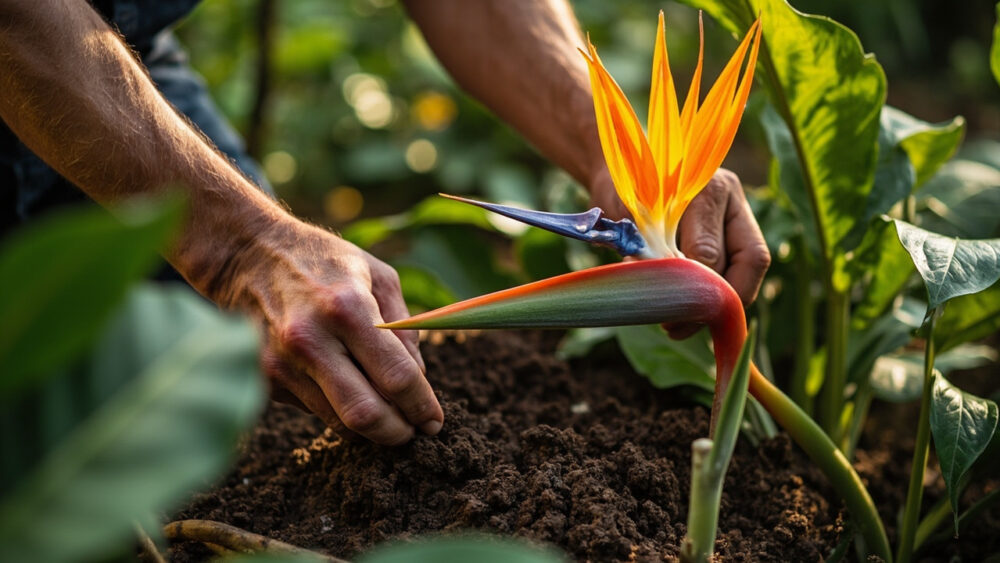
Bird of paradise grows best in bright light, warm temperatures above 50°F, and soil that drains fast but never dries out completely. Learning how to grow bird of paradise successfully mostly comes down to giving it enough light indoors and enough patience outdoors, since a young plant can take three to five years before it ever throws its first orange and blue bloom. Plant it in spring once nights stay above 50°F, in a spot with at least six hours of bright light, and it will reward you with those huge paddle-shaped leaves within the first season.
Here is what almost nobody tells you going in. The mistake that stalls most plants is not underwatering, it is planting them too deep or in a pot that is way too big, which sets the roots up to rot before they ever get established. There is also a sign every new grower misreads as disease when it is actually completely normal. And there is an honest answer to the question you are already forming: no, most bird of paradise houseplants will never bloom indoors, and I will tell you exactly why and what changes the odds.
Stick around to the bottom and you will find the full Bird of Paradise at a Glance card, the kind of thing worth saving to your phone before you touch a bag of potting mix.
When to Plant Bird of Paradise
Timing depends entirely on temperature, not the calendar. Outdoors, plant after your last frost date once nighttime temperatures hold above 50°F, since anything colder stalls root growth and can blacken the leaves. That usually lands in mid to late spring for most of the country, but in USDA zones 10 and 11 you can plant almost any time the soil is not soggy from winter rain.
Indoors, spring is still the best window because the plant is entering its active growth phase and recovers from transplant stress faster. Avoid potting up in late fall or winter when growth naturally slows and a disturbed root system just sits there instead of pushing new roots.
If you are moving a potted plant outside for summer, wait until nights are reliably above 55°F and harden it off over a week, giving it a few hours of direct sun at a time before leaving it out full days.
Get the timing right and everything else in this guide gets easier.
Choosing the Spot and Prepping the Soil
Light is the single biggest factor in whether this plant thrives or just survives. Outdoors, pick a spot with at least six hours of direct or very bright filtered sun. Indoors, that means the brightest window you have, ideally south or west facing, with the plant within a couple feet of the glass.
Soil needs to drain well but hold enough moisture to keep the thick roots from drying out between waterings. A loose, rich mix with some sand or perlite works outdoors; container plants do best in a chunky, well-aerated potting mix rather than dense all-purpose soil that stays wet at the bottom.
If you are planting in ground, work in a few inches of compost before you dig, and check drainage first: dig a hole a foot deep, fill it with water, and if it has not drained within a couple hours, you need to amend or pick another spot.
Nail the spot and soil, and the planting step itself is almost boring.
Planting Bird of Paradise Step by Step
1. Size the hole or pot correctly
Dig a hole roughly twice the width of the root ball but no deeper than it. For containers, go up only one pot size at a time, about 2 inches wider in diameter than the current pot.
2. Set the depth
This is where that early mistake I mentioned actually happens. Planting too deep, so the base of the stems sits below soil level, smothers the crown and invites rot. Keep the top of the root ball level with, or very slightly above, the surrounding soil.
3. Space for the mature size
In ground, give each plant 4 to 6 feet from other plants and structures, since a mature clump can reach 5 to 6 feet wide and just as tall. Crowding now means fighting for space in three years.
4. Backfill and water in
Fill around the roots, firm gently, and water thoroughly right away to settle the soil and eliminate air pockets around the roots.
Once it is in the ground or pot, the real work shifts to keeping it fed and watered through the season.
Watering and Feeding Through the Season
Water deeply, then let the top 1 to 2 inches of soil dry out before watering again. Stick a finger in the soil; if it is still damp at that depth, wait. Bird of paradise tolerates some drought once established but sulks with droopy, curling leaves if it goes bone dry too often.
Now for the sign everyone misreads. If the newest leaf unfurls looking rolled, split, or a bit ragged, that is not disease and it is not a nutrient problem. New leaves emerge tightly rolled and often tear slightly as they open, especially the first few leaves on a young plant. It is cosmetic and outgrows itself.
Feed every 2 to 4 weeks during spring and summer with a balanced liquid fertilizer diluted to label strength, tapering off in fall and stopping entirely in winter when growth slows. Too much fertilizer, especially high-nitrogen formulas, pushes soft leggy growth and can actually delay flowering.
Get watering and feeding into a rhythm, because the next section is about what goes wrong when you do not.
Problems That Actually Strike, and How to Head Them Off
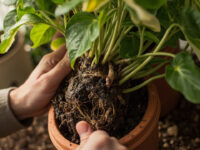
Root rot from overwatering is the most common killer, showing up as yellowing lower leaves, a mushy black base, or a plant that tips over because the roots have failed. The fix is prevention: well-draining soil, pots with real drainage holes, and letting soil dry between waterings.
Spider mites and scale are the usual pest suspects indoors, especially in dry winter air. Look for fine webbing or stippled, dusty-looking leaves, and sticky residue or small bumps along stems for scale. Wipe leaves down periodically and treat with insecticidal soap or horticultural oil, following the product label exactly.
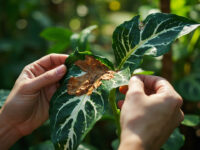
Brown, crispy leaf edges usually mean low humidity or a buildup of salts from fertilizer or hard water, not underwatering. Flush the soil with plain water every couple months to clear excess salts.
Cold damage turns leaves black and mushy after a frost. Outdoor plants in marginal zones need a frost cloth or a move indoors before nights dip near freezing.
Handle the plant, and there is one more honest thing about the toxicity worth knowing before pets or kids are around it.
Is Bird of Paradise Toxic, and When Does It Actually Bloom
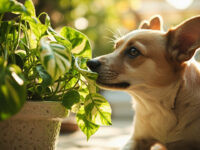
Bird of paradise is considered mildly toxic to both people and pets if the leaves, seeds, or flowers are chewed or swallowed, generally causing nausea, vomiting, or mouth and stomach irritation. If a pet or child ingests part of the plant, contact a veterinarian or doctor rather than waiting to see what happens.
Now the honest answer about blooming. Most indoor bird of paradise plants never flower, and that is not a failure on your part. They need to be mature, root-bound in a slightly snug pot, and getting very strong light, conditions that are hard to fully replicate inside a house.
Outdoors in warm climates, expect first blooms after three to five years, typically in spring through fall once the plant is well established. A plant kept slightly pot-bound blooms sooner than one constantly upgraded to bigger pots, which is the opposite of what most people assume.
If yours has never bloomed, it is very likely still just too young or not getting enough direct light, not sick and not doomed.
Bird of Paradise at a Glance
- When to plant: spring, once nighttime temperatures stay above 50°F, or any time in USDA zones 10 to 11 when soil is not waterlogged.
- Light needs: at least 6 hours of bright direct or filtered sun outdoors, the brightest window available indoors.
- Soil: rich but fast-draining, amended with compost in ground or a chunky potting mix in containers.
- Spacing and depth: 4 to 6 feet apart in ground, root ball planted level with the soil surface, never buried deeper.
- Watering: deeply, then let the top 1 to 2 inches dry before watering again.
- Feeding: balanced liquid fertilizer every 2 to 4 weeks in spring and summer, none in winter.
- Time to bloom: 3 to 5 years to maturity, and indoor plants often need to be slightly pot-bound before they flower.
Get the light right and resist the urge to babysit it with constant water and bigger pots.
Everything else about growing bird of paradise falls into place once those two habits are set.