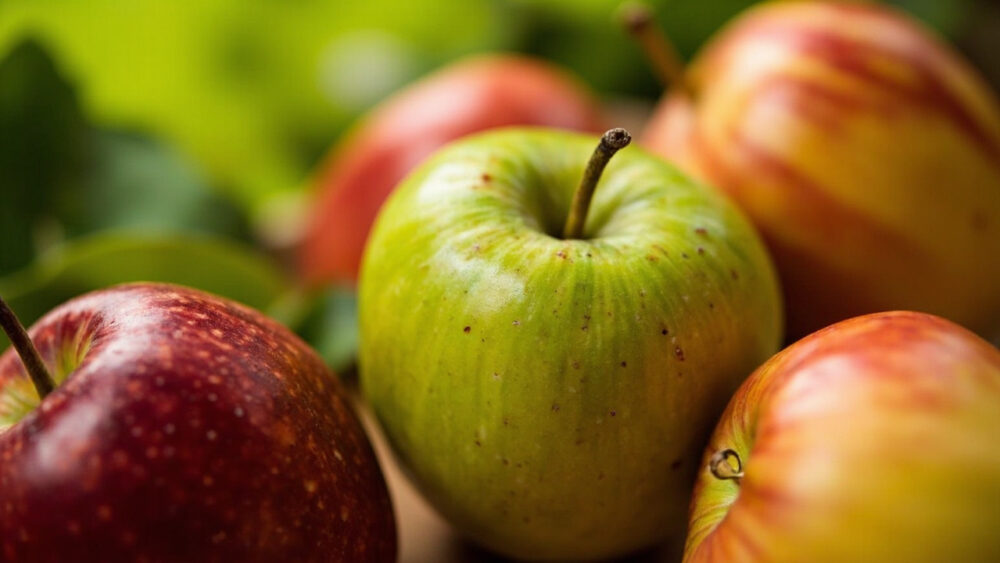
The fastest way to narrow fifteen good apples down to the right one for your yard is chill hours and pollination, not flavor. Every apple tree needs a certain number of cold winter hours to fruit well, and almost none of them will set fruit alone, they need a different variety blooming nearby at the same time. Get the best apple varieties matched to your climate and your pollination setup first, and flavor takes care of itself.
Most first-time growers pick Honeycrisp because it is the apple they know from the grocery store, then discover it is one of the fussier trees to keep alive, prone to bitter pit and stingy about chill hours outside its comfort zone. Meanwhile there is a scabby, ugly-duckling heirloom that old-timers still plant over anything new because it never fails and tastes better every year it sits in storage.
Number 13 on this list is the one gardeners in mild-winter climates get completely wrong, picking it for the name and ending up with a tree that barely fruits. The last few entries and the actual step-by-step way to choose, based on your space, your winters, and how much fuss you want to put up with, are waiting at the bottom.
Classic Eating Apples
These are the ones bred or selected mainly for biting into fresh, out of hand.
1. Honeycrisp
The apple that started the modern crisp-and-juicy craze is genuinely worth growing if you live somewhere with real winter cold, zones 3 through 6 mostly. It needs 800 to 1,000 chill hours, is prone to bitter pit if you let it get too big a crop or too little calcium, and it is not a low-maintenance tree, but the flavor at peak ripeness earns the trouble.
2. Gala
The easiest widely-loved apple to grow for beginners, Gala is mild, sweet, and reliably productive in zones 4 through 9. It ripens early to midseason, tolerates a wider range of climates than Honeycrisp, and resists disease better than most modern varieties.
3. Fuji
The apple that rewards patience more than any other on this list, Fuji needs a long, warm growing season and often does not ripen until well into fall. It stores exceptionally well, often for months in a cool basement or root cellar, and suits zones 5 through 9 where autumns run long.
4. Cosmic Crisp
The newer variety bred specifically to fix Honeycrisp’s problems, Cosmic Crisp holds its crisp texture in storage for months and resists bitter pit far better than its parent. It needs similar chill hours, around 800 to 1,000, and does best in zones 5 through 8 with cold winters and dry summers.
Those four cover the apple most people think of when they picture a fresh eating apple, but storage and toughness are a different game entirely.
Heirlooms Worth the Trouble
These are older varieties that trade cosmetic perfection for flavor, storage life, or sheer toughness.
5. Northern Spy
The apple serious pie bakers hoard, Northern Spy has a sharp, complex flavor that mellows into something remarkable after a few weeks in storage. It is slow to bear, often five to eight years from planting, and needs the cold winters of zones 3 through 6, but few pie apples hold their shape and tartness like this one.
6. Arkansas Black
The apple that gets better the longer you ignore it, Arkansas Black is rock hard and almost unpleasantly tannic straight off the tree. Store it two to three months and it turns dense, sweet, and wine-like, which makes it a favorite in zones 5 through 8 for anyone willing to wait.
7. Esopus Spitzenburg
The apple with the best pedigree and the worst manners, Spitzenburg is famously the variety Thomas Jefferson favored, and it is genuinely delicious, spicy and rich. It is also disease-prone, particularly to fire blight and scab, and better suited to gardeners in zones 5 through 7 who do not mind spraying or accepting some cosmetic damage.
8. Roxbury Russet
The oldest named American apple variety still in cultivation, Roxbury Russet has rough, dull skin that puts people off and a nutty, sherry-like flavor that wins them back. It stores well into winter, resists disease better than most heirlooms, and suits zones 4 through 8.
If you assumed heirlooms are just old versions of modern apples, they are usually the opposite, bred for cellar life and character over supermarket looks.
Best for Cooking and Baking
Texture under heat matters more here than fresh flavor, and these hold their shape or turn to sauce exactly when you want them to.
9. Granny Smith
The apple that holds a slice shape through a full bake, Granny Smith is tart, firm, and forgiving in pies and tarts. It needs a long, warm growing season and does best in zones 6 through 9, ripening later than most eating apples.
10. Rome Beauty
The classic baking apple built for whole roasting, Rome Beauty is mild, firm, and holds together beautifully when baked whole with the core scooped out. It is a reliable, low-fuss tree in zones 5 through 8 and tolerates less-than-ideal soil better than most.
11. Bramley’s Seedling
The apple that collapses into sauce almost on purpose, Bramley is the standard cooking apple in British kitchens and breaks down into a fluffy, tart puree that needs very little added sugar. It is a vigorous, large tree suited to zones 5 through 8 and is nearly useless eaten fresh, its acidity is too sharp.
Cooking apples are a different tool entirely from eating apples, and the next category is about apples that do double duty.
Cider and Multi-Use Apples
Some apples exist mainly to be pressed, and their fresh-eating flavor is beside the point.
12. Dabinett
A true bittersweet cider apple grown almost exclusively for pressing, Dabinett contributes tannin and body that sweet eating apples cannot. It is a compact, reliably productive tree in zones 5 through 8 and is a standard choice in English-style cider blends.
13. Golden Delicious
The apple most people plant for the wrong reason and then get burned by, Golden Delicious is often chosen in mild-winter climates because the name sounds foolproof, but it actually needs a moderate amount of chill, around 600 to 700 hours, and struggles badly where winters stay warm. Where it does get enough cold, in zones 5 through 8, it is genuinely versatile, sweet enough to eat fresh, mild enough to cook, and a strong pollinator for other varieties.
14. Winesap
The old-fashioned multi-tasker that does everything decently rather than one thing perfectly, Winesap is tart-sweet fresh, holds up in pies, and makes a solid single-variety cider. It tolerates a wide range of conditions across zones 5 through 8 and stores for months in a cool spot.
15. Liberty
The disease-resistant workhorse for anyone tired of spraying, Liberty was bred specifically to resist apple scab, cedar apple rust, and fire blight, the three problems that wreck most home orchards. It suits zones 4 through 8, produces a crisp, tart-sweet apple good fresh or cooked, and is the variety most orchard extension programs recommend to first-time growers who want low chemical input.
How to Choose the Right One
Work through these in order and you will land on the right tree faster than by flavor alone.
- Check your space first: standard trees need 25 to 30 feet between them, semi-dwarf need 12 to 15 feet, dwarf can go as tight as 8 to 10 feet, so measure before you fall for a variety.
- Match your chill hours: look up your average winter chill hours below 45°F and compare to the variety’s requirement, since a low-chill apple in a cold climate wastes potential, and a high-chill apple in a mild climate may barely fruit.
- Plan for a pollinator: almost no apple is reliably self-fruitful, so plant two different varieties that bloom at the same time, or make sure a neighbor’s tree is close enough for bees to cross the gap.
- Decide the purpose first: fresh eating, baking, storage, or cider each points to a different variety, and trying to make one tree do all four usually disappoints you at one of them.
- Be honest about your care appetite: disease-resistant varieties like Liberty need far less spraying and attention than heirlooms like Spitzenburg, and that difference matters more after year three than it does on planting day.
- Buy on the right rootstock: dwarf and semi-dwarf rootstocks bring fruit sooner, often in 2 to 4 years instead of 5 to 8, which matters if you want results before you retire.
Fifteen good apples, but only one will actually fit the space, the winters, and the amount of fuss you are honestly willing to put up with.
Pick that one, plant its pollinator partner beside it, and let the rest of this list wait for next year.