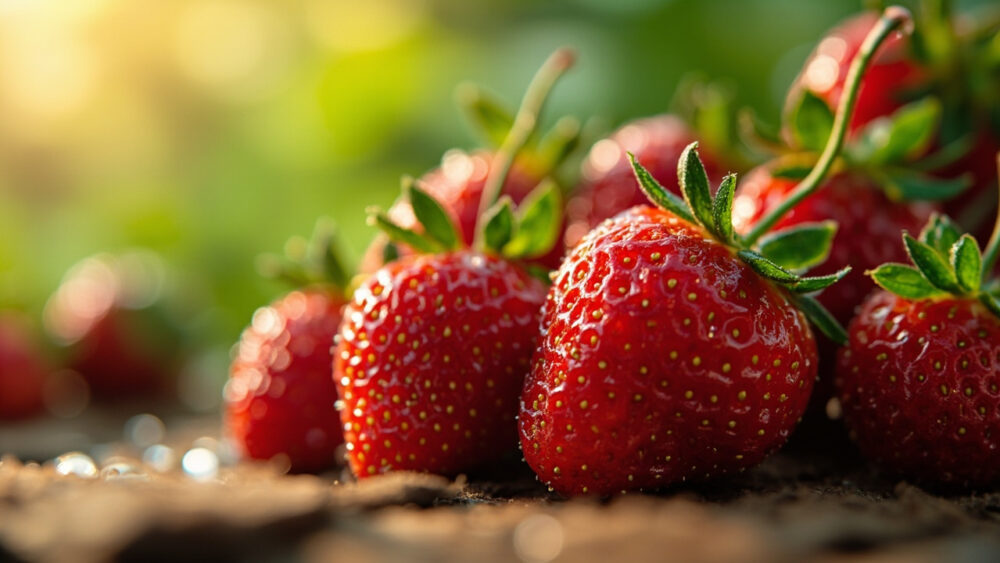
Yes, you can freeze strawberries, and done right they hold their flavor for 8 to 12 months in the freezer. The trick is not the freezing itself, it is what you do in the ten minutes before the berries ever touch the cold. Skip that prep and you get a bag of mushy, bleeding red ice chunks instead of berries you actually want to eat.
Most people ruin their batch with one specific mistake that has nothing to do with the freezer settings. There is also a step almost everyone skips that determines whether your strawberries turn into a solid brick or stay loose enough to grab a handful at a time.
And if you are already wondering whether frozen strawberries are any good for eating fresh later versus just baking or blending, the honest answer is below too. Stick with me through the how-to and I will give you a save-able “Strawberries at a Glance” card at the very bottom with every number in one place.
The Best Method: Flash-Freezing Before Bagging
Wash the berries first, then dry them completely. This is the step everyone rushes, and wet berries freeze into a clumped, icy mess.
Hull them (cut off the green cap and the pale core underneath), then slice or halve them if you want smaller pieces for smoothies, or leave small berries whole.
Spread them in a single layer on a rimmed baking sheet lined with parchment, with space between each piece so they are not touching. Freeze uncovered for 1 to 2 hours, until each piece is solid.
Then transfer to a freezer bag or airtight container, press out the air, and label with the date. This flash-freeze step is what keeps them separate instead of one frozen block.
Skip the tray step and you can still freeze strawberries, you just lose the ability to pour out a handful later.
How Long Frozen Strawberries Actually Keep
In the freezer at 0°F (-18°C) or colder, properly prepped strawberries stay good for 8 to 12 months. They are safe to eat well past that, but texture and flavor start fading after a year.
Compare that to fresh strawberries, which last only 3 to 7 days in the fridge and lose quality within a day or two left on the counter.
If you bought or picked more than you can eat this week, the freezer is genuinely the only way to hold onto that flavor for months instead of days.
But how long they last depends entirely on how well you handled that first hour in the freezer.
The One Mistake That Ruins Most Batches
If you guessed the mistake was leaving them in too long or using the wrong container, that is not it. The real culprit is skipping the dry step after washing.
Strawberries are mostly water already. Extra surface moisture from a rinse turns into ice crystals that swell inside the cell walls of the fruit.
When you thaw them, that damage shows up as a puddle of red liquid and a berry that has gone soft and grainy, sometimes almost hollow-feeling.
Pat berries dry with a towel or let them air-dry on a paper towel for 10 to 15 minutes before they ever hit the tray.
Get this one thing right and everything else about freezing strawberries gets a lot more forgiving.
Do You Need to Blanch or Cure Them First?
No blanching needed. Blanching is for vegetables with tough cell walls and enzymes that keep breaking down flavor even in the cold, like green beans or corn.
Strawberries are soft fruit. Heat would only cook them and wreck the texture you are trying to preserve.
Curing, the drying-down process used for onions and garlic, does not apply here either. That confusion trips up a lot of people freezing produce for the first time.
The only “cure” a strawberry needs is that dry towel and a cold tray, nothing more.
Once you know what strawberries do not need, the remaining prep choices are simple.
Sugar Pack vs. Plain: Does It Matter?
A light sugar pack helps if you plan to use the berries for pies, jam, or syrup, since sugar draws out juice and keeps texture a bit firmer when thawed. Toss sliced berries with about 3/4 cup sugar per quart of fruit and let them sit 15 minutes before freezing.
For smoothies, baking, or snacking plain, skip the sugar entirely and freeze them dry-packed on the tray as described above.
Neither method is wrong. It depends on what you are freezing them for, not on which one “keeps better.”
Now for the part most guides never tell you straight: what thawed strawberries actually taste and feel like.
The Honest Answer: What Happens When You Thaw Them
Frozen strawberries never come back fully firm. Freezing ruptures the cell structure, so thawed berries are always softer than fresh, no matter how well you prepped them.
That is fine for smoothies, sauces, jam, baked goods, or blended into yogurt, where texture does not matter.
It is not fine if you were hoping to thaw a bag and eat them out of hand like fresh berries. They will taste like strawberries, but the texture will be closer to slightly mushy fruit salad than a crisp June berry.
Thaw them in the fridge overnight, or leave them at room temperature for 20 to 30 minutes, and use any liquid that collects in the bowl. That juice is concentrated flavor, not waste.
Knowing that going in saves you the disappointment of thawing a bag expecting fresh-berry crunch.
Signs Your Frozen Strawberries Have Turned
Freezer burn shows up as pale, dry, grayish patches on the surface of the berries, usually from air exposure in a poorly sealed bag. It is not dangerous, just a loss of flavor and texture in that spot.
A strong off smell, any sliminess after thawing beyond normal juice, or a sour fermented odor means the batch has actually gone bad, not just faded. Toss those.
Ice crystals clumped heavily around the berries usually mean moisture got in, often from a bag that was not sealed tight or was opened and reclosed a lot.
None of this is dangerous to sort through, it just tells you whether the berries are worth using or worth composting.
Other Mistakes That Cost People a Whole Batch
- Freezing in a big pile instead of flash-freezing first: you get one solid clump you have to thaw entirely, every time.
- Using a bag that is not airtight: air exposure causes freezer burn within a few months instead of holding quality for a year.
- Not labeling the date: frozen berries all look the same after a few months, and you will lose track of which bag is oldest.
- Overfilling containers: berries expand slightly as they freeze, and a packed rigid container can crack or bulge.
- Refreezing thawed berries: once thawed, use them within a few days or cook them into something, do not refreeze raw.
Fix these and your strawberries will hold flavor and texture as well as any fruit realistically freezes.
Strawberries at a Glance
- Wash and dry: rinse gently, then pat completely dry before doing anything else.
- Hull and cut: remove the green cap and core, slice or halve, or leave whole if small.
- Flash-freeze: single layer on a parchment-lined tray, uncovered, 1 to 2 hours until solid.
- Storage: airtight bag or container, air pressed out, labeled with the date.
- Freezer life: best quality for 8 to 12 months at 0°F (-18°C) or colder.
- Fridge life fresh: 3 to 7 days, counter life fresh, 1 to 2 days at most.
- Thawing: overnight in the fridge, or 20 to 30 minutes at room temperature, save the juice.
The whole method comes down to one habit: dry the berries before they freeze, not after.
Get that right and everything else about freezing strawberries takes care of itself.