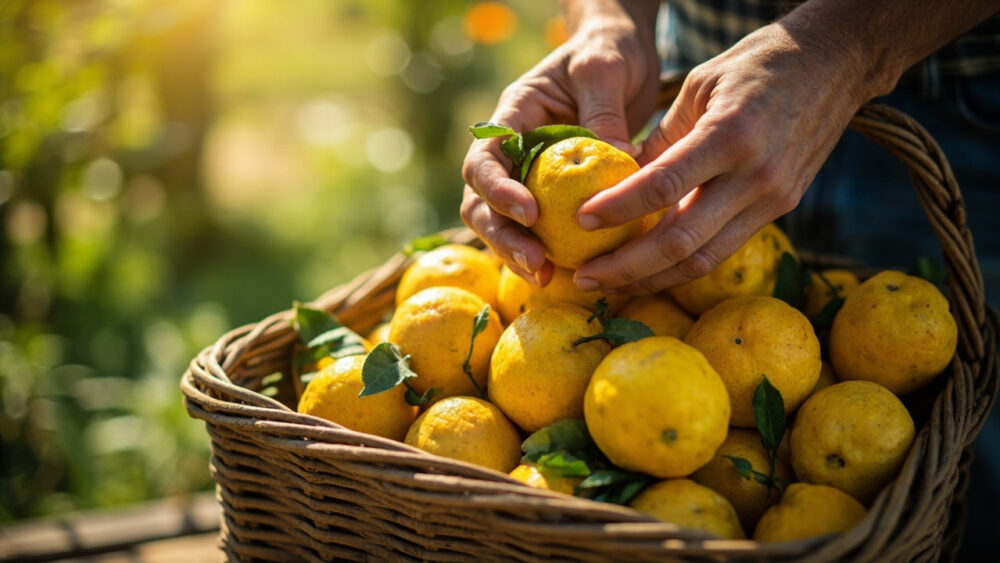
The right way to store lemons is in the crisper drawer of your fridge, unwashed, loose in a bag or open container, where they will stay juicy for three to four weeks instead of the five to seven days you get leaving them in a bowl on the counter. That single move, counter to fridge, is the difference between using a whole bag of lemons and throwing out three shriveled ones. But the method only works if you get the prep right first.
Most people make one move that quietly ruins the whole batch, and it is not skipping the fridge. It is washing the lemons before they go in.
There is also a longer game here if you grow your own or bought too many: curing, freezing, and a couple of visual signs that tell you a lemon has turned before it ever gets moldy on the outside. All of it, plus the exact numbers for each method, is in the at-a-glance card at the bottom of this page, worth saving to your phone before you forget which method you meant to use.
The Best Method: Fridge, Loose, Unwashed
Skip washing, skip the produce bag with holes punched everywhere, and skip the fruit bowl if you want lemons to last. Put whole, dry lemons straight into the crisper drawer, either loose or in a partially open plastic bag or reusable produce bag. The goal is a humid but not wet environment, which is exactly what a crisper drawer set to high humidity gives you.
If your fridge does not have a humidity-controlled drawer, a loosely closed zip-top bag with a couple of corners left open works almost as well. The lemon needs some airflow so moisture does not pool against the skin and invite mold.
Do not stack them more than two or three deep. A lemon at the bottom of a big pile bruises and softens faster than one with room to breathe.
Where you put lemons matters less than what you do to them before they go in.
Prep Is Where Most People Lose the Batch
If you assumed rinsing lemons before storing keeps them cleaner and fresher, that instinct is exactly backward. Washing before storage strips the thin natural wax on the peel and leaves the surface slightly damp, and that combination is what invites mold within days. Wash lemons only right before you use them, never before they go into the fridge.
Dry lemons completely if they came home wet from the store or the garden. Any lemon with a damp patch of skin, especially near the stem end, is a lemon that starts softening from that spot outward.
Sort before you store. One lemon with a soft spot or a nick in the peel releases ethylene and moisture that speeds up decay in everything touching it.
Get the sorting and drying right, and the next question is simply how long each storage method actually buys you.
How Long Lemons Actually Keep, Method by Method
Numbers vary a bit by variety and how fresh the lemon was when you bought it, but these ranges hold up in practice.
- Counter, room temperature: five to seven days before noticeable softening and moisture loss.
- Fridge, crisper drawer, unwashed: three to four weeks, sometimes up to six weeks for very fresh, thick-skinned lemons.
- Whole lemons, frozen: three to four months, best reserved for lemons you plan to zest or juice later rather than eat fresh.
- Juice, frozen in an ice cube tray or jar: four to six months with little flavor loss.
- Zest, frozen in a small bag: six months or more, and it barely loses potency.
- Cut lemons, fridge, wrapped or in a sealed container: two to three days before the cut face dries out and turns bitter.
Freezing is the honest answer for anyone wondering what to do with a bag of lemons they cannot use in time.
Freezing and Curing: The Answer to “What If I Have Too Many”
Whole lemons freeze fine, but the texture changes completely once thawed, going soft and a little mushy, which is why frozen whole lemons are for cooking and zesting, not for eating out of hand or slicing into drinks. Freeze them whole in a bag with the air pressed out, and grate zest straight off the frozen fruit before it thaws, which is actually easier than zesting a fresh one.
Juice freezes better than the whole fruit. Squeeze it, pour into an ice cube tray, freeze solid, then transfer the cubes to a bag so you can pull one or two at a time.
Curing is a different project entirely, more like preserved lemons packed in salt, and it trades fresh lemon flavor for something salty and fermented that keeps in the fridge for months. That is a recipe decision, not a storage shortcut, so do not reach for it just because you are out of fridge space.
Knowing your options is only half the job. You also need to know when a lemon has quietly gone bad.
The Signs a Lemon Has Turned
Mold is the obvious sign, usually a soft white or blue-green patch, and any lemon showing it should be thrown out whole rather than trimmed and salvaged. But mold is the last sign to show up, not the first.
Press the skin gently near the stem end. If it gives like a ripe peach instead of staying firm, that lemon is on its way out even if the color looks fine.
A lemon that has dried out from the inside feels unusually light for its size and the skin looks slightly wrinkled or pulled tight, almost shrink-wrapped. Cut it open and the flesh will look dry, sometimes with a faint gray or brown tint, and it will yield very little juice.
A sour, almost fermented smell coming through the peel, stronger than normal citrus tang, means it has started breaking down internally even if the outside still looks decent.
Catching these early signs is easier once you know the mistakes that cause them in the first place.
The Mistakes That Ruin a Batch
A few habits account for almost every disappointing bag of lemons.
- Washing before storing instead of right before use, which strips protective wax and adds moisture mold needs.
- Leaving them on the counter past the first week, especially in a warm kitchen near a stove or sunny window.
- Sealing them airtight in a bag with no venting, which traps humidity against the skin.
- Storing near apples, bananas, or other high-ethylene fruit, which speeds up softening.
- Ignoring one soft or bruised lemon in the bag, letting it spread decay to its neighbors.
- Refreezing thawed lemon juice or zest, which wrecks both flavor and texture the second time.
Fix those six habits and a bag of lemons will outlast almost anyone’s expectations.
Lemons at a Glance
- Best storage method: whole, dry, unwashed lemons loose in the fridge crisper drawer, three to four weeks.
- Counter storage: fine for five to seven days only, away from heat and direct sun.
- Never wash before storing: rinse only right before you cut or juice the lemon.
- Freezing: whole lemons for three to four months for cooking and zest, juice for four to six months, zest for six months or more.
- Cut lemons: wrap tightly or seal in a container, use within two to three days.
- Signs it has turned: a soft give near the stem, unexpected lightness, wrinkled skin, or a sour fermented smell.
- Biggest mistake: sealing damp or washed lemons in an airtight bag, which invites mold within days.
Get the lemons dry and into the fridge unwashed, and everything else about storing them takes care of itself.
That one habit, more than any container or gadget, decides whether your lemons last three days or three weeks.