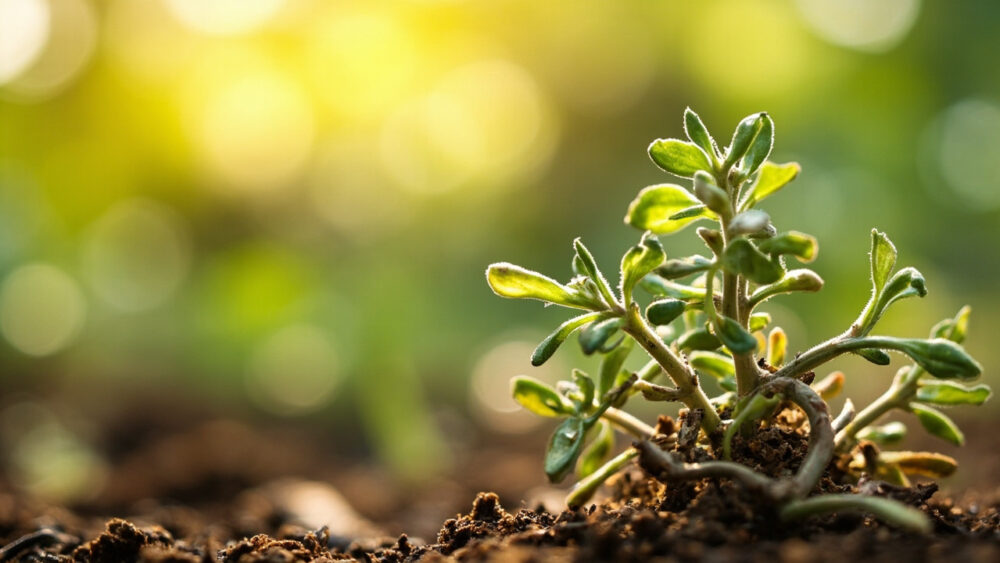
Thyme wilting is almost always root rot from wet soil, not thirst. Thyme is a Mediterranean herb built for dry, lean, fast-draining ground, and soggy roots suffocate and rot before the leaves ever show it clearly. The fix starts with your finger, not the watering can: push it an inch into the soil, and if it comes out damp or cool, walk away and hold off water for several days before you touch that plant again.
Here is where most people go wrong. They see a wilted, droopy thyme plant and assume it is dry, so they water it again, which is exactly what kills it. That guess kills more thyme plants than actual drought ever does.
There are five or six real causes behind a wilting thyme plant, and the leaves themselves will tell you which one you have if you know where to look. Stick around, because the save-able diagnosis checklist at the bottom walks you through the whole thing in about two minutes flat, right there at the plant.
Most Likely Causes, Ranked
1. Overwatered or Waterlogged Roots
This is the top cause by a wide margin, especially for potted thyme or thyme planted in rich garden soil that holds moisture. Confirm it by checking the soil an inch or two down: if it feels damp, cool, or clumps together, and the pot has no drainage holes or the ground stays soggy after rain, this is your problem. Roots will often look brown, mushy, or slimy if you tip the plant out and check.
The fix is to stop watering immediately and let the soil dry out completely before the next drink. If it is potted, repot into a container with drainage holes and a gritty, fast-draining mix. In the ground, you may need to raise the bed or move the plant to a sunnier, better-drained spot next season.
Get this one wrong and every other fix on this list will fail too.
2. Underwatering After Prolonged Drought
Less common than you’d think, but real, especially in pots during a hot stretch or for thyme planted this season without an established root system yet. Confirm it by checking the soil: if it’s bone dry an inch down, pulls away from the pot’s edges, or feels powdery and light, thirst is the cause. Leaves may look slightly shriveled rather than mushy or yellowed.
Water thoroughly until it runs from the drainage holes, then let the top inch dry before watering again. Established thyme in the ground rarely needs supplemental water once it’s rooted in, even during a normal dry summer.
If the soil test doesn’t point to water at all, the answer is probably underground and out of sight.
3. Root Rot Disease (Fungal)
This often follows chronic overwatering but can take hold even with one or two soggy stretches if drainage is poor. Confirm it by gently pulling the plant and looking at the roots and lower stem: healthy roots are white or tan and firm, while diseased ones are dark brown or black, soft, and may smell sour or rotten. The stem right at soil level may look water-soaked or discolored.
Once rot has set in, you can’t fungicide your way out of it. Trim away all affected roots and stem tissue with clean shears, repot into fresh, dry, well-draining soil, and cut back watering hard. Badly affected plants often don’t make it, and that’s worth knowing before you invest more time.
The stem itself is the next place to check, because rot doesn’t always stay below ground.
4. Stem or Crown Rot at the Soil Line
Thyme planted too deep, mulched right up against the stems, or growing in a spot with poor air circulation is prone to this. Confirm it by looking closely at the base of the plant where stems meet soil: blackened, mushy, or collapsed tissue right at that junction is the tell, even if the roots below still look okay.
Pull mulch and soil back from the crown so the base of the plant stays dry and exposed to air. Cut out any blackened stems, and improve airflow by thinning nearby plants or spacing thyme farther apart next time. Isolated crown rot in an otherwise healthy plant has a fair shot at recovery once you remove the source of moisture.
Sometimes the whole plant is fine and it’s really just one overcrowded section causing the trouble.
5. Heat Stress or Transplant Shock
A thyme plant moved recently, or one sitting in a black plastic pot on pavement in full afternoon sun, can wilt from pure heat even with correct soil moisture. Confirm it by checking timing: did this start within a week of transplanting, repotting, or a heat wave, and does the soil moisture actually look fine? Leaves droop but don’t yellow or turn mushy.
Move the pot to afternoon shade temporarily, or provide light shade cloth in the ground during the worst heat. New transplants usually bounce back within a week or two once roots establish, so this is one of the more forgiving causes on this list.
Now that you’ve got the individual suspects, the real trick is telling them apart fast when you’re standing right there.
How to Tell the Causes Apart
Where the wilting starts matters. Overwatering and root rot usually show wilting across the whole plant at once, often with lower leaves yellowing first. Underwatering tends to hit the newest growth and leaf tips first, since the plant rations water to older tissue.
Check texture, not just droop. Rot-related wilting comes with soft, mushy, or blackened stems and roots. Drought and heat stress wilting leave stems firm and leaves merely limp or slightly crispy at the edges.
Smell is an underused clue. A sour, rotten, or swampy smell at the base means rot, full stop, no other cause on this list produces that.
Once you know which category you’re in, the next question is the one everyone actually wants answered.
Will It Recover?
Overwatering caught early, before roots have turned to mush, has a good recovery rate. Dry it out, fix the drainage, and most thyme plants perk back up within a week or two.
Underwatering and heat stress are the most forgiving. A thorough watering or a shadier spot usually brings visible improvement within a few days.
Root rot and crown rot are the honest bad news on this list. If more than half the root mass or stem tissue is affected, cut your losses and start a new plant from a cutting or nursery start rather than nursing a lost cause. Thyme is cheap and fast to establish, so there’s no shame in replacing it.
Recovery odds are good across most causes, but only if you stop making the mistake that caused it in the first place.
How to Keep It From Happening Again
Drainage is everything with thyme. Plant it in gritty, lean soil, raised beds, or containers with real drainage holes, and never let it sit in standing water. If your native soil is heavy clay, amend generously with coarse sand or grit, or grow thyme in a raised spot instead of fighting the ground you have.
Water deeply but rarely. Let the top inch or two of soil dry out completely between waterings, and skip watering entirely during rainy stretches.
Give it full sun and airflow, at least six hours of direct sun daily, with enough space between plants that air moves freely and foliage dries quickly after rain or dew.
Get these three things right and thyme becomes one of the lowest-maintenance herbs you can grow.
Diagnosis Checklist
- Push a finger one to two inches into the soil: if damp or cool, suspect overwatering or rot, if bone dry, suspect underwatering.
- Check the base of the stem at soil level: if blackened, mushy, or foul-smelling, suspect crown or root rot.
- Gently tip the plant or scrape back soil to view roots: white and firm means healthy, brown and slimy means rot has set in.
- Note where the wilting started: whole plant at once points to rot or overwatering, tips and new growth first points to drought.
- Check the calendar: if wilting began within a week or two of transplanting or a heat spike, and soil moisture looks normal, suspect heat or transplant shock.
- Check drainage: if the pot lacks holes or the ground stays soggy for days after rain, fix drainage before doing anything else.
- Match your findings to the fix above, then wait seven to ten days before judging results, thyme doesn’t recover overnight.
Most wilting thyme is a watering habit problem, not a mystery disease, and the fix is usually simpler than it looks.
Get the soil right and leave the plant alone for a while, thyme genuinely does better when you fuss over it less.