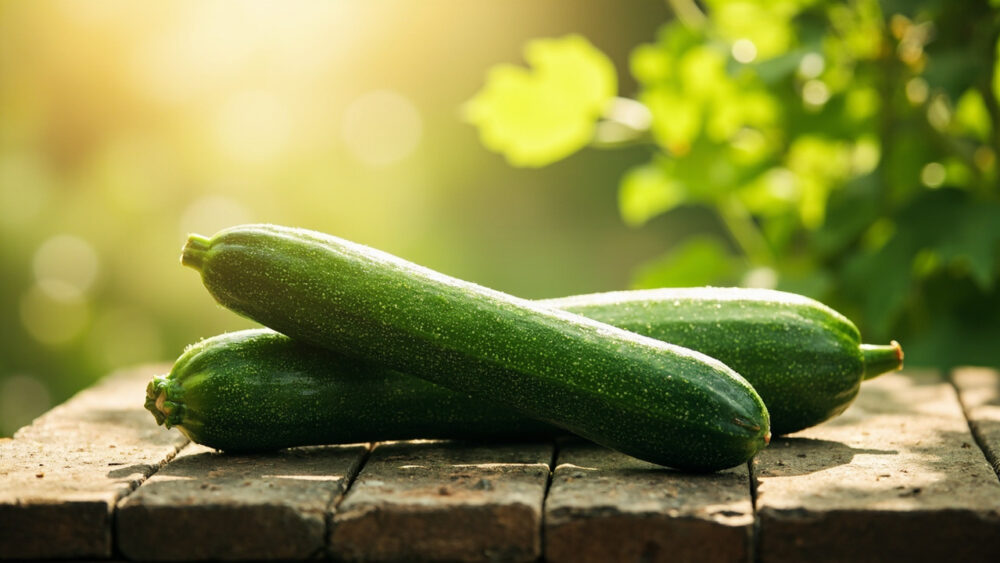
Yes, you can freeze zucchini, and it holds up well for 8 to 12 months if you do one thing most people skip: deal with the water in it before it goes in the bag. Skip that step and you get a bag of gray, mushy strings by February. The method itself takes maybe 20 minutes for a full harvest basket.
Here is where most batches go wrong, though, and it is not the freezing part. It is what happens in the 10 minutes before the bag gets sealed, and it is the same mistake whether you grate it, slice it, or freeze it raw.
I will also answer the question you are about to ask right after this one: does frozen zucchini work in the same recipes as fresh. The honest answer is no, not all of them, and knowing which ones is what saves you from a disappointing dinner later. Stick around for the Zucchini at a Glance card at the bottom, it is the one worth saving to your phone before you start cutting.
The Right Way to Freeze Zucchini
Blanching is the step that actually matters. Cut zucchini into half-inch rounds or shred it, then drop it into boiling water for 1 to 2 minutes for slices, or skip boiling for shreds and go straight to a hot, dry pan for 2 to 3 minutes to cook off moisture instead.
Immediately transfer blanched slices to ice water for the same amount of time you boiled them. This stops the cooking and locks in what texture zucchini has left to give.
Drain thoroughly, then spread everything on a towel and pat it dry. Wet zucchini is the whole problem, so do not rush this part.
Freeze in a single layer on a sheet pan for an hour or two before bagging, so pieces do not weld into one frozen brick.
That flash freeze step is the one everyone skips, and it is why the bagging step below actually works.
Bagging It Right (This Is Where Most People Lose the Batch)
Once pieces are frozen loose and separate, pack them into freezer bags or airtight containers and press out as much air as you can. A vacuum sealer is worth it if you freeze zucchini every summer, but it is not required.
Label with the date. Zucchini all looks the same in a chest freezer by November, and “some frozen vegetable” is not a useful label in February.
Lay bags flat until solid, then you can stand them upright to save space. Flat bags also thaw faster and more evenly, which matters more than you’d think.
Getting the water out and the air out is 90 percent of the battle, but there is still a shelf life to respect.
How Long Zucchini Actually Keeps, Fresh vs Frozen
Fresh zucchini on the counter is good for 1 to 2 days before it starts going soft. In the fridge, unwashed and in a loose or perforated bag, it holds 1 to 2 weeks.
Properly blanched and frozen zucchini keeps its quality for 8 to 12 months in a standard freezer. It stays technically safe to eat longer than that, but texture and flavor drop off noticeably past a year.
Skip blanching and freeze it raw, and you can still expect it to be safe, but expect real quality loss after 2 to 3 months, with mushiness and dull flavor showing up early.
That gap between “safe” and “actually good” is exactly why the next mistake matters so much.
Prep That Makes or Breaks the Batch
If you assumed you could just wash, chop, and freeze zucchini like you might with green beans, that guess is what ruins most people’s first batch. Zucchini is over 90 percent water, and freezing without removing some of that water first turns the cell walls to mush the moment it thaws.
Do wash it well before cutting, since dirt and garden grit hide in the ridges near the stem end. Do not peel it unless the skin is tough or the squash is oversized, the skin holds structure and nutrients both.
Salting shredded zucchini for 10 minutes before pressing it in a towel pulls out even more liquid than blanching alone, and it is worth doing for zucchini bread batches specifically.
Curing is not a thing with zucchini the way it is with onions or winter squash, so do not waste time trying to dry it on a counter first.
Get the moisture-pulling step right and the freezer does the rest of the work for you.
What Ruined Zucchini Actually Looks Like
Fresh zucchini past its prime gets soft spots, a slightly slimy skin, or a hollow rattle when you shake it, that last one means the seeds have gone woody inside. Any strong sour or ammonia smell means toss it, no debate.
Frozen zucchini that has turned looks frosted with heavy ice crystals, has visibly shrunk inside the bag, or smells off the moment it thaws, not just watery but sour. Freezer burn on zucchini shows up as pale, dry patches, and while it is not unsafe, the texture there is gone for good.
Thawed zucchini that has gone gray-green and released a pool of cloudy liquid is still probably safe to cook if it smells normal, but you are looking at soup and casserole material only at that point, not a saute.
Which brings us to the follow-up question that actually decides whether this whole effort was worth it.
What Frozen Zucchini Is Actually Good For
Frozen zucchini will never saute up firm and bright the way fresh zucchini does, the ice crystals break down the cell structure and there is no getting that back. If you are picturing crisp grilled rounds from your frozen stash, that is the disappointment waiting for you.
What it is genuinely great for is soups, stews, zucchini bread, muffins, fritters, and anything blended or baked where soft texture does not matter. The shredded, well-drained kind especially shines in baking, since the batter wants that moisture anyway.
Casseroles and gratins work fine too, as long as you drain the thawed zucchini hard before it goes in, or the dish turns watery.
Know which of those dishes you are stocking the freezer for before you cut a single squash, it changes whether you should slice or shred.
The Mistakes That Cost the Whole Batch
- Skipping blanching or the dry-pan step: raw-frozen zucchini turns to mush fast and loses flavor within a couple months.
- Not drying it before bagging: excess water forms ice crystals that shred the cell walls even more than freezing alone does.
- Skipping the flash freeze on a tray: pieces clump into a solid block you can’t portion out later without thawing the whole bag.
- Leaving air in the bag: air causes freezer burn faster than almost anything else in a home freezer.
- Freezing zucchini that’s already turning: soft or slimy zucchini going into the freezer comes out worse, freezing does not improve quality, it only holds quality where it was.
- Forgetting to label and date: unlabeled bags get forgotten and pulled out a year past their best window.
Avoid those six and the method above will give you good zucchini all winter, not just safe zucchini.
Zucchini at a Glance
- Best method: blanch slices 1 to 2 minutes or dry-pan cook shreds 2 to 3 minutes, then cool, dry, and freeze.
- Fresh, on the counter: 1 to 2 days before texture softens.
- Fresh, in the fridge: 1 to 2 weeks in a loose or perforated bag, unwashed.
- Frozen, properly blanched: 8 to 12 months at peak quality.
- Frozen, raw and unblanched: safe longer, but quality drops noticeably after 2 to 3 months.
- Signs it’s turned: heavy ice crystals, shrinkage, sour smell on thaw, or pale dry freezer-burn patches.
- Best uses after freezing: soups, stews, zucchini bread, muffins, fritters, and casseroles, not saute or grilling.
The whole method comes down to one habit: pull the water out before the freezer pulls the texture out.
Do that, label the bag, and you have real zucchini in January, not just green mush.