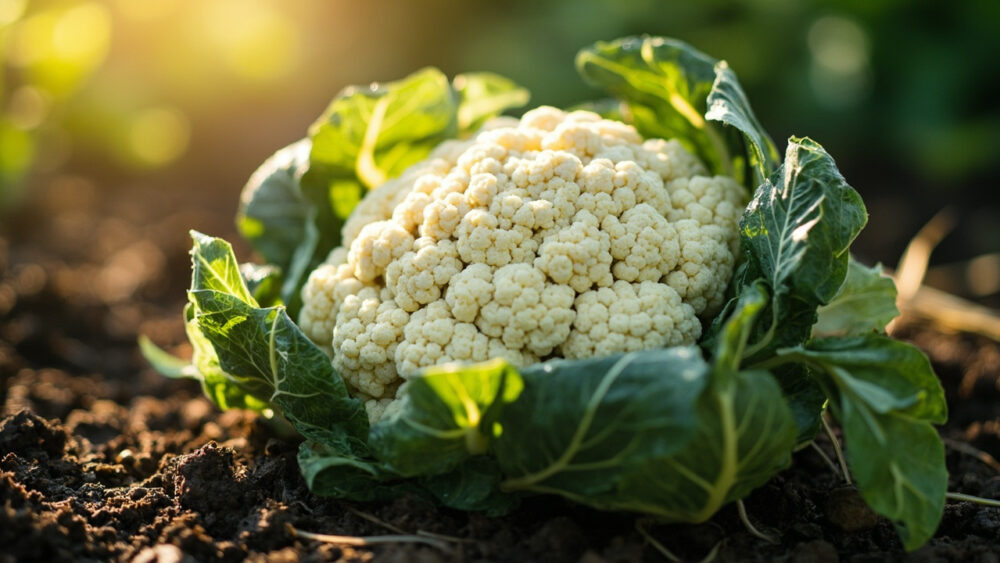
Yes, you can freeze cauliflower, and it holds up better than most people expect if you blanch it first. Cut it into florets, blanch three minutes, shock in ice water, dry it well, then freeze on a tray before bagging it. Skip the blanch and you get mushy, gray, sulfur-smelling cauliflower six weeks from now, guaranteed.
Most freezer failures trace back to one of three things: skipping the blanch, packing it away wet, or letting it sit in the fridge too long before you ever got around to freezing it. There is also a sign of spoilage almost everyone misreads as “still fine,” and it is not the smell you think it is.
Stick with me and I will walk you through the exact method, how long each stage actually lasts, the prep mistakes that quietly ruin a whole batch, and the signs that tell you it is done for. The save-able Cauliflower at a Glance card is at the very bottom, so keep scrolling once you have the method down.
The Right Way to Freeze Cauliflower, Step by Step
Start by cutting the head into florets roughly 1 to 1.5 inches across. Uniform size matters more than people think, since odd chunks blanch unevenly and you end up with some pieces mushy and others still raw in the center.
Bring a pot of water to a full boil and blanch the florets for 3 minutes. Have an ice bath ready and dunk them the second the timer goes off.
Drain thoroughly and spread the florets on a towel or sheet pan to air dry for 10 to 15 minutes. Then flash-freeze on a parchment-lined tray for 1 to 2 hours before transferring to a freezer bag.
That two-step freeze, tray first, bag second, is what keeps every piece separate instead of one solid cauliflower brick.
How Long Cauliflower Actually Lasts, Stage by Stage
Fresh cauliflower on the counter is a one to two day situation at most, it dries out and yellows fast at room temperature. In the fridge, a whole unwashed head wrapped loosely in a produce bag holds up 1 to 2 weeks, sometimes longer if your crisper drawer runs cold and humid.
Cut florets in the fridge are a different story. Once you cut it, oxidation and moisture loss speed up, so plan on using cut cauliflower within 4 to 5 days.
Properly blanched and frozen cauliflower is good for 10 to 12 months in a standard freezer, though flavor and texture are genuinely best in the first 8 months.
Skip the blanch and freeze it raw, and you are looking at a steep quality drop inside 4 to 6 weeks, even though it is technically still “safe” longer.
Knowing those windows only matters if you nailed the prep that gets it there, and that is where most people slip.
The Prep That Makes or Breaks the Batch
If you assumed washing is optional since you are blanching it anyway, that guess is exactly backwards. Wash the head first, under cold running water, and break it into florets before you wash so water reaches into the crevices where dirt and small insects hide.
Blanching is not negotiable for freezing. It is not there to “cook” the cauliflower, it is there to stop the enzyme activity that keeps breaking the vegetable down even in the freezer, which is exactly what causes off flavors and rubbery texture months later.
Drying matters just as much as blanching. Any lingering water forms ice crystals that rupture the cell walls, and that is the difference between a floret that still has bite after cooking and one that turns to paste.
Cauliflower does not need curing the way onions or winter squash do, so do not let anyone talk you into “resting” it on the counter first, that only invites spoilage.
Get the water off before it ever sees the freezer, and you have solved the biggest problem before it starts.
The Sign of Spoilage Almost Everyone Gets Wrong
Most people watch for brown spots and figure anything without them is fine. That is the guess that gets people, because cauliflower can go slimy and sour-smelling in the stalk end while the florets still look pale and innocent on top.
The real tell is the base of the head and the stem, not the curd. Press it. If it gives like a sponge instead of feeling firm, or if you catch a sour, ammonia-like smell rather than the mild cabbage scent it should have, it has turned even if the color still looks acceptable.
Fuzzy mold, dark water-soaked patches, or a head that has gone visibly translucent and wet are all clear signs to toss it, not trim around it.
Small yellowing on the outer leaves is normal aging and not a spoilage signal by itself.
Once you can spot real spoilage versus normal aging, the last thing left is avoiding the mistakes that sabotage a batch you thought was fine.
The Mistakes That Ruin a Batch
The single most common mistake is skipping the blanch to save time. It feels harmless in the moment and it is the number one reason people open a freezer bag in February to find gray, bitter, sulfur-smelling cauliflower.
The second is freezing it wet, which packs the bag with ice crystals and turns every floret mushy the moment it thaws.
The third is skipping the tray-freeze step and bagging florets while they are still warm or clumped together, which fuses them into one frozen mass you have to chip apart with a knife.
- Over-blanching: more than 4 minutes and you are already cooking it, not just prepping it, and it will overcook again when you actually use it.
- Under-drying: even a light film of water left on the florets causes freezer burn within a couple of months.
- No headspace: packing bags completely full leaves no room for the slight expansion that happens as it freezes, and bags split.
- Forgetting a date label: frozen cauliflower all looks the same after month three, and guessing its age is how good batches get thrown out early or used too late.
Every one of those is preventable, and now you know exactly what to watch for.
Cauliflower at a Glance
- Blanch time: 3 minutes in boiling water, then immediately into an ice bath.
- Counter storage: 1 to 2 days for a whole head, it declines fast at room temperature.
- Fridge storage: 1 to 2 weeks whole and unwashed, 4 to 5 days once cut into florets.
- Freezer storage: 10 to 12 months blanched, best quality in the first 8 months.
- Skip the blanch: quality drops noticeably within 4 to 6 weeks in the freezer.
- Spoilage signs: a sponge-soft or sour-smelling base, fuzzy mold, or translucent wet patches, not just brown spots on top.
- Freeze method: dry thoroughly, flash-freeze on a tray 1 to 2 hours, then transfer to a bag with the air pressed out.
Blanch it, dry it, tray-freeze it. That order, in that order, is the whole secret.