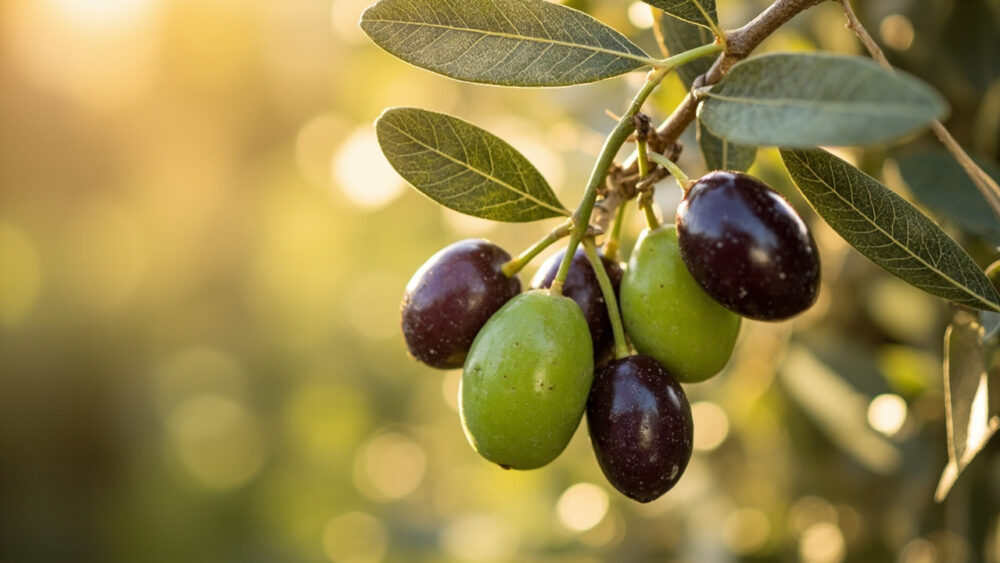
A young olive tree takes 3 to 5 years to produce its first real crop, and most trees do not hit full, reliable production until year 8 to 12. That is the honest range, and if you planted from a cutting or bought a small nursery tree, you are somewhere on that clock right now. Grown from seed instead, add another 2 to 3 years before you even see a flower.
How long does it take to grow olives to the point where you get a real harvest, not just a token handful of fruit? That depends on a few things people rarely mention when they hand you the “5 years” answer, including one climate condition that will stall a healthy-looking tree indefinitely no matter how well you tend it.
There is also a very common misread of a slow-fruiting tree that leads people to rip out perfectly good olives right before they were about to start producing.
Stick with me through the stages below, and I will hand you a saveable quick-reference card at the bottom with the numbers side by side.
The Realistic Timeline, Start to Harvest
Propagation method sets your starting line. A rooted cutting or grafted nursery tree, which is how almost all olives are sold, can flower in year 2 or 3 and give a modest first crop in year 3 to 5. Seed-grown trees are slower and less predictable, often taking 5 to 8 years to flower at all, and they may not even match the parent variety.
From there, yield builds gradually rather than jumping straight to full production. Years 3 to 7 typically bring small, increasing harvests. Full maturity, meaning consistent, sizable crops, generally lands between year 8 and 12, and a well-sited tree keeps producing for decades after that.
That is the baseline before climate and care start pushing the number in either direction.
What Actually Controls the Speed
Climate matters more than variety here. Olives need a real winter chill, roughly 200 to 300 hours below about 50°F, to set flower buds, but they also need a long, hot, dry-ish summer to ripen fruit. Coastal Mediterranean-type climates and USDA zones 8 through 10 with distinct seasons are where olives move fastest through this timeline.
Marginal climates, meaning mild winters with barely any chill or short, cool summers, will stretch every stage out. A tree can look perfectly healthy and still skip flowering for years simply because it never got cold enough.
Variety changes the timeline too, just less dramatically. Arbequina is bred for early, heavy bearing and often the fastest to first fruit. Mission and Manzanillo are workhorse varieties but tend to take a season or two longer to ramp up. Container-grown trees of any variety generally fruit a bit sooner than in-ground trees because root restriction nudges a young tree toward reproduction, though they top out at a smaller total yield.
Get the climate right and the variety choice becomes a matter of a year or two, not a make-or-break decision.
Stage by Stage: What to Expect and When
Here is roughly what a healthy tree does at each point, so you can check your own tree against it instead of guessing.
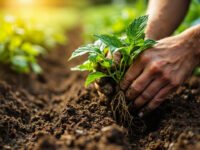
- Year 1: establishing roots, minimal top growth, no flowers, this is normal and not a sign of trouble.
- Year 2 to 3: steady branching, tree gains real height and width, first flowers may appear but often drop without setting fruit.
- Year 3 to 5: first true harvest, typically light, a few pounds of olives rather than a full crop.
- Year 5 to 8: yield increases noticeably each season as the canopy and root system mature.
- Year 8 to 12: full production, consistent annual crops assuming winters keep delivering enough chill.
If your tree matches this pattern, you are on track even if it feels slow.
How to Speed It Up, and What Wastes Your Time
You can genuinely shave a year or two off this timeline, but only within limits. Buy a grafted tree rather than starting from seed, since seedlings reset the clock. Plant in full sun, at least 6 to 8 hours a day, since shade delays flowering more than almost any other factor. Keep the tree on the lean side once established, olives that get too much nitrogen and water often push leafy growth instead of flowers.
Pruning to an open, vase-like shape in the tree’s early years helps light reach the interior branches where fruit sets, and that does speed things along.
What does not work: heavy feeding to force growth, which tends to backfire into all foliage and no fruit. Pruning aggressively every year also removes the very wood that would have flowered next season. And there is no way to substitute for winter chill. If your climate does not deliver it, no amount of fertilizer or attention will make an olive tree flower on schedule.
So the honest speed-up toolkit is smaller than people hope, which makes the next question, whether your tree is actually behind schedule, worth answering carefully.
When Slow Is Normal, and When It Is a Real Problem
If you assumed a tree past year 5 with no fruit must be sick or planted wrong, that guess is usually off. Many perfectly healthy olives in borderline climates simply flower unpredictably, skipping a year or bearing lightly because winter chill varied.
What is normal: slow years following a mild winter, alternating light and heavy crops once mature, and flowers that drop without setting fruit during a wet or humid bloom period, since olive pollination is wind-driven and dislikes moisture in the air at bloom time.
What signals an actual problem: a tree that has never grown taller or filled out after 3 to 4 years, leaves that are consistently pale or scorched rather than a rich gray-green, or a trunk with soft, dark, weeping bark, which points to root or crown rot from waterlogged soil far more often than age. Olives tolerate drought far better than wet feet, and poor drainage is the single most common thing that actually stalls a tree permanently rather than just slowing it down for a season.
Rule those out, and a slow tree is almost always just a young tree doing exactly what young olives do.
Olives: Quick Reference
- Time to first harvest: 3 to 5 years from a grafted tree or rooted cutting, 5 to 8 years or more from seed.
- Time to full production: 8 to 12 years, with yield increasing gradually rather than jumping.
- Climate need: about 200 to 300 hours of winter chill below 50°F, plus a long, hot summer to ripen fruit.
- Best zones: USDA 8 through 10, Mediterranean-type climates with distinct wet winters and dry summers.
- Fastest variety: Arbequina, bred for earlier and heavier bearing than Mission or Manzanillo.
- Biggest slowdown risk: poor drainage causing root or crown rot, not age or lack of fertilizer.
Olives reward patience more than fussing, and the tree on the slowest schedule is often the one that outlives you.
Give it sun, decent drainage, and a real winter, and the calendar takes care of the rest.