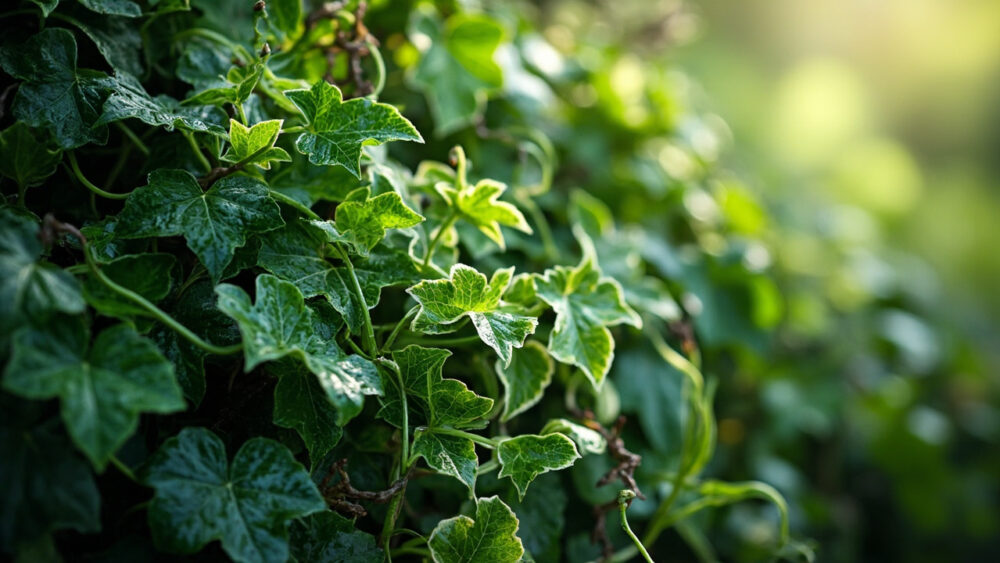
The fastest way to sort out the types of vines is by how they climb, because that single trait tells you what structure you need before you ever pick for flowers or flavor. Twining vines wrap their whole stem around a support and need something thin like wire or twine. Tendril climbers throw out little grabbing hands and want a trellis with real texture. Clinging vines glue themselves to flat surfaces with tiny roots or pads and will happily ruin wood siding if you let them.
Most people pick English ivy or wisteria for the wrong reason, usually because they saw it on an old stone wall somewhere and forgot that both plants can get away from you fast in the right climate. Meanwhile there are quieter vines that experienced gardeners plant instead, ones that give the same lush cover without the decade of regret. Number 13 on this list is the one most people get completely wrong at the nursery, buying a plant that looks nothing like what shows up in their yard three years later.
Stick with me through all fifteen. The last few entries plus the actual method for choosing the right vine for your fence, arbor, or that ugly chain link are waiting at the bottom.
Fast, Aggressive Growers
These are the vines people reach for when they want coverage this year, not in five years, and they come with real tradeoffs.
1. Trumpet Vine
Grows fast and blooms orange-red trumpets that hummingbirds go crazy for, but this one suckers aggressively and can travel ten feet from the base plant. Give it hardy zones 4 through 9, full sun, and a structure built to take real weight, because mature vines get woody and heavy.
2. Wisteria (Chinese and Japanese)
Produces the classic hanging purple clusters everyone photographs, but both Asian species are genuinely thuggish in zones 5 through 9 and have escaped cultivation across much of the eastern and southern United States. If you want the look without the fight, plant American wisteria instead, which blooms a little later and stays far more manageable.
3. Kudzu
This is the vine you plant only if you enjoy regret, capable of growing a foot a day in warm humid weather and swallowing trees, buildings, and fences whole. It is not sold at reputable nurseries anymore and if you have it, the honest answer is persistent cutting and herbicide over multiple seasons, not a quick fix.
4. Boston Ivy
Clings flat to brick and stone with adhesive pads rather than roots, turning brilliant red in fall, and covers a wall in three to four years without the invasive spread of true ivy. It handles zones 4 through 8 and tolerates part shade, making it the better pick for a stone facade you actually want covered.
That covers the vines that grow with real force, next come the ones people plant purely for the show.
Showy Flowering Climbers
If the goal is color on an arbor or trellis, these are the workhorses most gardeners already recognize by sight.
5. Clematis
Comes in more bloom styles than almost any other vine, from the huge saucer flowers of the Jackmanii types to the small bell-shaped blooms of sweet autumn clematis. Roots want shade and cool soil while the top growth wants sun, so mulch heavily and plant the crown two inches deeper than it sat in the pot.
6. Climbing Roses
Not a true vine at all, since roses have no natural climbing mechanism and need to be tied to a support as they grow. They reward the extra work with repeat blooms all summer in zones 4 through 9 and a fragrance most true vines cannot match.
7. Morning Glory
Opens fresh blue, purple, or pink flowers every morning and closes them by afternoon, growing from seed to full bloom in a single season anywhere. It self-seeds readily, so expect volunteers next year whether you want them or not.
8. Sweet Pea
Delivers real fragrance, which most flowering vines skip entirely, and prefers cool spring weather over summer heat. Sow directly where soil can be worked in early spring, since seedlings resent transplanting and bloom fades once temperatures climb past the mid 80s.
Flowers get the attention, but the vines grown for the kitchen deserve their own look.
Vines Grown for Eating
These earn their space by producing something you actually harvest, not just something to look at.
9. Grapes
Need a hard yearly prune to fruit well, since grapes only produce on one-year-old wood and an unpruned vine turns into a tangle of leaves with little fruit. Table grapes and wine grapes both want full sun and excellent drainage, and most varieties handle zones 5 through 9.
10. Pole Beans
Outproduce bush beans by a wide margin in the same footprint because they keep climbing and setting new pods all season instead of fruiting once. A simple teepee of three or four poles is enough support, and they twine counterclockwise on their own without tying.
11. Cucumbers (vining types)
Climb readily on a trellis if you give them something to grab, and growing them vertical keeps fruit straighter and cuts down on the ground rot that flat-grown cucumbers get. Provide six to eight hours of sun and consistent water, since irregular watering is what turns cucumbers bitter.
12. Passionflower
Produces one of the strangest, most elaborate flowers in the plant world, and in warm climates it also sets an edible passion fruit. Hardy passionflower survives winters down to about zone 6 by dying back to the roots, then returns and reblooms once soil warms in late spring.
The next stretch covers the vines people actually confuse for one another, including the one everyone gets wrong.
Look-Alikes People Confuse
These four get mixed up constantly at nurseries and in the wild, and telling them apart matters more than it seems.
13. English Ivy vs. Boston Ivy vs. Poison Ivy
If you guessed these three are related, that guess is exactly the mistake nurseries deal with weekly, and they are not even in the same family. English ivy has evergreen, waxy, five-lobed leaves and clings with true roots. Boston ivy has three-lobed leaves that drop in fall and clings with adhesive pads. Poison ivy has leaves in groups of three, no more, no less, and causes an itchy contact rash in most people who touch it. If you are not certain which one is growing on a fence, treat it as poison ivy until you confirm otherwise, and see a doctor if a rash spreads or blisters badly.
14. Virginia Creeper
Often mistaken for poison ivy despite having five leaflets instead of three, this native vine turns a deep red in fall and climbs by tendrils with small adhesive tips. It is not toxic to the touch, but the berries are toxic if eaten, so keep an eye on kids and pets around it and call a veterinarian if a pet eats a noticeable amount.
15. Honeysuckle (native vs. invasive)
The vine everyone smells before they see, but Japanese honeysuckle is aggressively invasive across much of the country while native coral honeysuckle stays far better behaved. Japanese honeysuckle has white or yellow paired flowers and semi-evergreen leaves, while coral honeysuckle has narrow tubular red-orange flowers that hummingbirds prefer and no fragrance at all.
Now that the confusing ones are sorted out, here is the actual method for narrowing fifteen vines down to one.
How to Choose the Right One
- Measure your space first: a small trellis wants clematis, sweet pea, or morning glory, while a pergola or long fence can carry wisteria, grapes, or trumpet vine.
- Check your climate zone: match the vine’s hardiness range to your winter lows before falling for a photo, since a vine that dies back every year behaves very differently from one that persists and spreads.
- Decide the purpose: privacy screening favors dense growers like Boston ivy or honeysuckle, food production points to grapes or pole beans, and pure display points toward clematis or climbing roses.
- Match the climbing style to your structure: twining vines need thin wire or string, tendril vines need a textured trellis, and clinging vines need a wall you are fine having covered permanently.
- Be honest about maintenance appetite: if you do not want to prune every year, skip grapes and climbing roses and lean toward morning glory or coral honeysuckle instead.
- When in doubt on an unknown vine already growing on your property, identify it fully before removing or touching it, since poison ivy and Virginia creeper often grow tangled together.
Pick the structure and climate limits first, and the right vine narrows itself down fast.
Plant accordingly, and give it the season it actually needs before judging whether it was the right call.