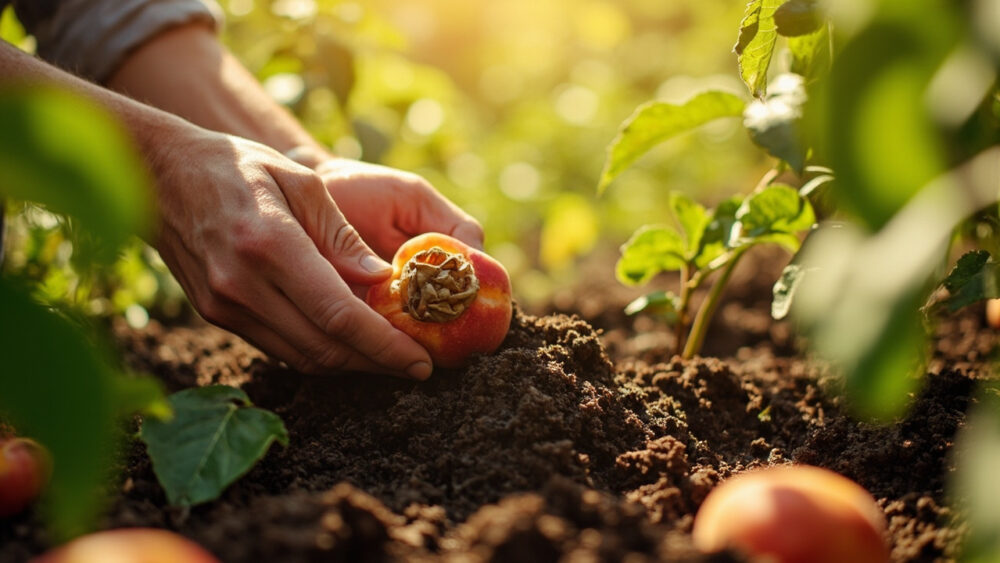
Growing nectarines from seed means cracking open the pit, chilling the seed for 8 to 12 weeks to break dormancy, then sowing it about 1 inch deep in a pot of well-draining soil once it swells and sometimes cracks on its own. Germination takes anywhere from 3 to 8 weeks after cold treatment. From there you are looking at 3 to 5 years before you see a single nectarine, if you see one at all.
That last part is the honest answer nobody puts on the label. A seed-grown nectarine tree is a gamble, not a clone of the fruit you ate. It might throw fruit that is smaller, blander, or barely resembles the parent, because nectarines grown from pits are not true to type the way a grafted tree is.
The mistake that ruins most attempts happens before the seed ever touches soil. People skip or shortcut the cold stratification and wonder why nothing sprouts for a year. There is also a sign at germination that scares people into giving up right when the seed is doing exactly what it should. Stick around, because the mistake, the scare, and the full at-a-glance card with timing, spacing, and depth are all coming, saved for you at the bottom so you can pull it up again in the yard.
When to Start Nectarine Seeds
Nectarine pits need cold before they will do anything, so timing runs backward from your last frost date, not forward from it. Start stratification 10 to 14 weeks before you want to sow, which usually means beginning in late fall or early winter for a spring sowing.
You can direct sow pits outdoors in fall in USDA zones 5 through 9, letting winter do the chilling for you, or you can fake winter in the refrigerator. Fridge stratification gives you more control and a better success rate, especially if your winters are mild or unpredictable.
Either way, the seed needs sustained temperatures around 34 to 41°F for 8 to 12 weeks before it will break dormancy.
Get the stratification window right and the rest of this gets a lot easier.
Sowing Nectarine Seeds Step by Step
Once the pit has had its cold weeks, cracking it open to get the actual seed (the almond-shaped kernel inside) speeds up germination, though it is optional if you are patient. Handle it carefully. A cracked pit but a nicked seed will just rot.
Steps to sow
- Depth: plant the seed or intact pit about 1 inch deep.
- Medium: use a well-draining potting mix, not garden soil straight from the yard, which compacts and holds too much water in a pot.
- Container: a 4 to 6 inch pot with drainage holes is plenty for the first season.
- Temperature: keep the pot somewhere around 65 to 75°F once you bring it in from cold stratification.
- Light: bright indirect light is fine until you see a sprout, then move it to direct sun.
- Moisture: keep the medium evenly moist, never soggy. Water logging is what kills a stratified seed just as often as skipping the cold does.
Water it in once, label the pot, and now the hardest part starts: waiting.
Germination: What to Expect and When to Actually Worry
If you assumed a nectarine seed pops up neat and green like a bean sprout, that guess is wrong and it causes a lot of premature panic. What actually breaks the surface first is often a pale, twisted little shoot, sometimes still wearing a piece of the seed coat like a helmet. It looks stressed. It is not.
Expect germination 3 to 8 weeks after you move the pot to warmth, sometimes longer. The first true sign of life underground, if you dig gently to check, is a white root emerging from the split seed before any top growth shows at all.
The real time to worry is past the 10 to 12 week mark with zero root or shoot activity and a seed that feels soft or smells sour when you check it. That seed has rotted, usually from too much moisture or not enough cold weeks up front. Start another one rather than keep nursing a lost cause.
Once you have a shoot an inch or two tall with a set of true leaves, it is ready for the next test: the outside world.
Hardening Off and Transplanting
A seedling raised indoors or in a sheltered cold frame needs 7 to 10 days of hardening off before it lives outside full time. Set it outside in a sheltered, shaded spot for an hour or two the first day, and add an hour or two daily, watching for leaf scorch or wilting in direct sun.
Transplant to the ground or a larger container once nighttime temperatures reliably stay above 45 to 50°F and the seedling has several sets of true leaves, usually its first spring if you started the pit the previous fall.
Give it a spot with full sun, 6 hours minimum, and soil that drains well. If you are planting in the ground, space it at least 12 to 15 feet from other trees and structures, since a full-grown nectarine tree spreads that wide.
Dig a hole just as deep as the root ball and twice as wide, backfill without burying the trunk flare, and water it in deeply.
A young tree in the ground still needs years of steady care before it earns its keep.
Caring for a Nectarine Tree Through the Season
Water young trees deeply once a week during the growing season, more often in extreme heat, less if you are getting regular rain. Established trees want about 1 inch of water a week total between rain and irrigation.
Nectarines need a real winter chill, generally 500 to 1,000 hours below 45°F depending on the seed parent, to bloom and fruit properly, so this is not a tree for mild-winter, frost-free climates no matter how well you grow the seedling.
Feed lightly in early spring with a balanced fertilizer once the tree is past its first year. Skip fertilizer entirely the first season, since a heavy feed on a young root system does more harm than good.
Prune in late winter while dormant, opening up the center of the tree so light reaches the inner branches. Watch for curling, distorted leaves in spring, a common sign of leaf curl fungus, and for aphids clustering on new growth. For any fungal or insect problem that gets ahead of you, an appropriate labeled fungicide or insecticide applied exactly per the product label is the right tool, not a homemade guess.
All that care is aimed at one event that takes years to arrive.
Bloom and Harvest: The Honest Timeline
A seed-grown nectarine tree typically blooms for the first time in year 3 to 5, showing pink to white blossoms in early spring before leaves fully emerge. Bloom does not guarantee fruit. Late frost can kill blossoms outright, and a seedling tree may bloom for a year or two before it sets any fruit at all.
If fruit does set, expect harvest roughly 3 to 5 years after sowing at the earliest, sometimes longer for a seed-grown tree compared to a grafted nursery tree, which can fruit in year 2 or 3.
The fruit itself is the last honest answer this reader needs. Because the seed is not a clone of its parent, the nectarines you get may taste completely different from the fruit you got the pit from, better, worse, or just different. Some seedling trees produce excellent fruit. Plenty produce something small and mediocre. You will not know until it happens.
Ripe nectarines pull free from the branch with a gentle twist and give slightly under thumb pressure near the stem, usually in mid to late summer depending on your climate and the tree’s genetics.
Everything above compresses down into the card below, the version worth saving to your phone before you walk back out to that pit or seedling.
Nectarines at a Glance
- When to stratify: 10 to 14 weeks before your planned sowing date, chilling the pit at 34 to 41°F, often through late fall and winter.
- When to sow: immediately after stratification, once the seed has swollen or cracked, indoors or in a protected cold frame.
- Depth and spacing: sow 1 inch deep in a 4 to 6 inch pot, then transplant to the ground at least 12 to 15 feet from other trees.
- Germination window: 3 to 8 weeks after warming to 65 to 75°F, sometimes longer.
- Transplant timing: after hardening off 7 to 10 days, once night temperatures stay above 45 to 50°F and true leaves have formed.
- Chill hours needed: 500 to 1,000 hours below 45°F each winter to bloom and fruit reliably.
- Time to fruit: 3 to 5 years from seed, with no guarantee the fruit matches the parent’s flavor or size.
The seed will grow if you give it real cold and real patience, that part is straightforward.
What you cannot control is what kind of nectarine it decides to become.