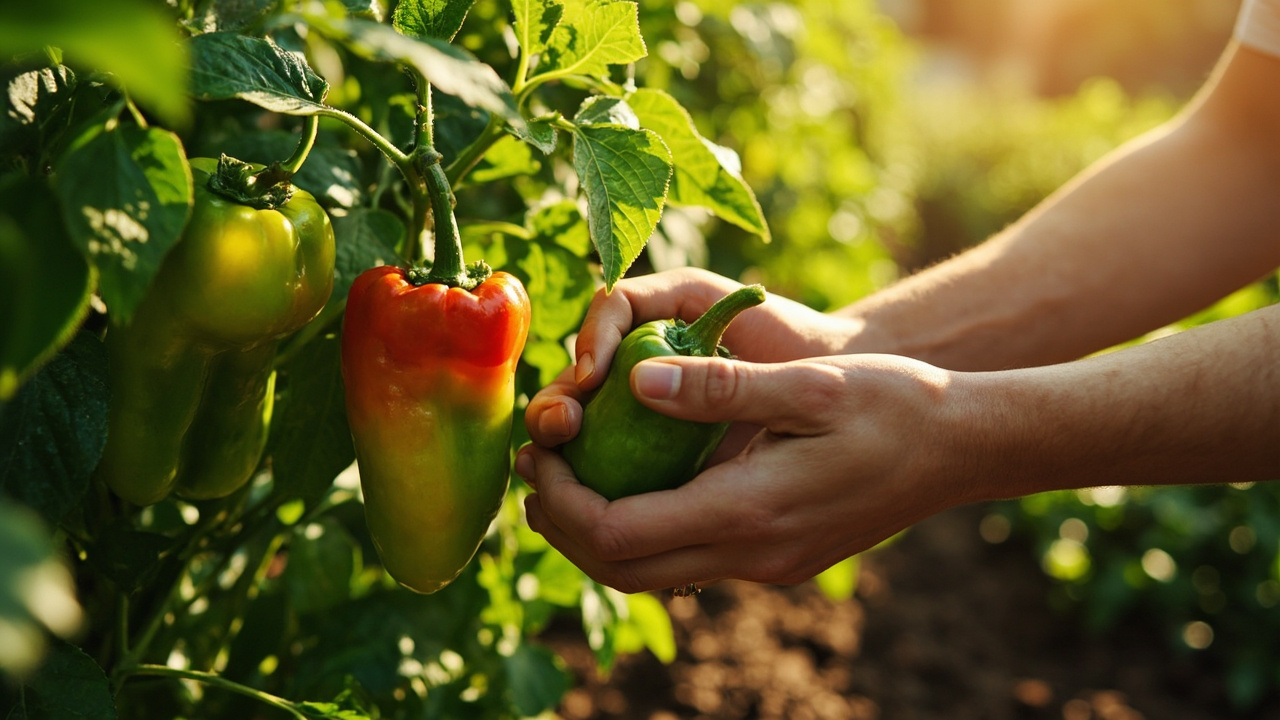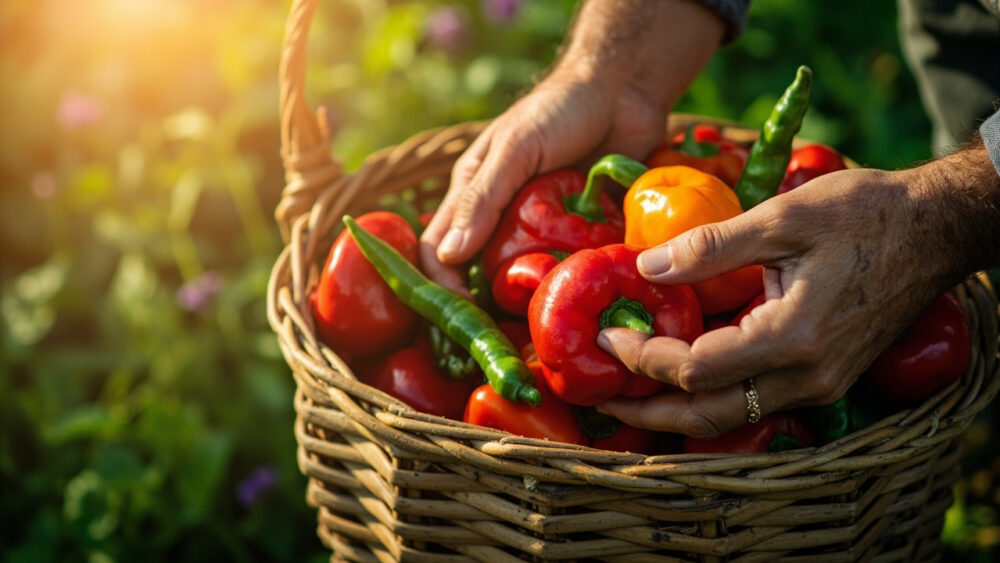
Fresh peppers keep best unwashed in a loose or perforated bag in the crisper drawer, where they last 1 to 2 weeks for thin-walled types like jalapenos and up to 3 weeks for thick-walled bells. Counter storage buys you 2 to 3 days at most before peppers start softening. If you want them for months instead of weeks, freezing or drying is how to store peppers long term, and the method you pick changes both the texture and the timeline.
Most of the peppers that go slimy in the crisper drawer were ruined before they ever got cold. There is a prep mistake almost everyone makes without realizing it, and it has nothing to do with washing.
There is also a sign of spoilage that gets confused with something totally harmless, and mixing the two up either wastes good peppers or hides bad ones. Stick around, because the save-able Peppers at a Glance card at the bottom covers every method side by side so you can pick fast and move on with your day.
The Best Way to Store Fresh Peppers
Skip washing peppers before storage. Water on the skin speeds up rot, full stop. Wipe off visible dirt with a dry cloth if needed, but save the rinse for right before you cook.
Put unwashed, dry peppers in a perforated plastic bag or a loosely closed produce bag, not sealed airtight. Peppers need a little airflow or condensation builds up inside the bag and turns to rot within days.
Store the bag in the crisper drawer set to high humidity if your fridge has that option. Whole, unwashed peppers in this setup are the closest thing to a set-and-forget method that actually works.
Next up is the part almost nobody gets right: how long each pepper type actually holds.
How Long Peppers Actually Last, By Method
Counter storage is the shortest window by far. Room temperature peppers soften and lose crunch within 2 to 3 days, faster if your kitchen runs warm.
Refrigerated whole peppers are the workhorse option. Bell peppers and other thick-walled types hold 2 to 3 weeks, while thin-walled hot peppers like jalapenos, serranos, and cayennes hold closer to 1 to 2 weeks since their skin is thinner and loses moisture faster.
Cut or sliced peppers, refrigerated in a sealed container, last only 3 to 5 days once cut regardless of type.
Frozen peppers, sliced or diced and stored in freezer bags with the air pressed out, hold quality for 8 to 12 months.
Dried or dehydrated peppers, cooled completely and stored in an airtight jar, keep 1 to 2 years in a cool, dark spot.
That range depends almost entirely on one prep decision you make before storage even starts.
The Prep Step That Actually Matters
If you assumed blanching is required before freezing peppers the way it is for beans or corn, that guess is understandable but wrong. Peppers do not need blanching. Their cell structure is different, and skipping the blanch step saves you time without costing texture.
What actually matters is drying the peppers completely before they go in any bag, fridge or freezer. Wet skin is the real culprit behind moldy bags of peppers, not the lack of a blanch.
For freezing, slice or dice first, then spread pieces on a tray and freeze for an hour before bagging. That “flash freeze” step keeps pieces separate instead of fusing into one frozen block.
For drying, a dehydrator at 125 to 135°F takes hot peppers 6 to 12 hours depending on wall thickness, while bells and other thick-walled types can take up to 18 hours. Peppers are fully dry when they snap or crumble rather than bend.
Get the moisture right and you have already solved most of what causes early spoilage.
Curing Peppers for Longer Fresh Storage
Curing sounds like an extra chore, but for hot peppers headed toward drying or fermenting, a short cure actually extends usable life. Lay peppers out at room temperature, out of direct sun, for 2 to 3 days before their final storage step.
This lets minor surface nicks heal over instead of turning into soft spots later. It is not necessary for bell peppers or peppers you plan to eat within the week, only for hot peppers you are prepping for long-term drying or fermenting.
Skipping the cure on peppers destined for the dehydrator is not a disaster, but you will see a higher percentage of pieces with soft or discolored spots by the time drying finishes.
Cured or not, every stored pepper eventually tells you when it has turned, and the signs are more specific than “it looks bad.”
The Spoilage Sign Everyone Misreads
Here is the mix-up: white, water-filled blisters on the skin of a pepper, especially bells, are often not rot at all. They are edema, caused by the pepper taking up water faster than it can use it, and the flesh underneath is usually still fine to eat once you cut around the blister.
Actual spoilage looks different. Watch for:
- Soft, sunken, or mushy patches that give under light pressure
- Visible mold, which shows as fuzzy white, black, or greenish spots
- A sour, off, or fermented smell when you weren’t fermenting it on purpose
- Wrinkled, deflated skin with dark discoloration underneath
- Slime or stickiness on the surface
A pepper with one soft spot and no smell can often be trimmed and used the same day. Anything slimy, moldy, or foul-smelling goes in the compost, not the pan.
Knowing the real signs only helps if you also know what caused them, and that brings us to the mistakes.
The Mistakes That Ruin a Batch
Washing before storage tops the list. Rinsed peppers trap surface moisture that speeds mold growth, sometimes within 48 hours in a sealed bag.
Sealing peppers airtight in the fridge is the second big one. No airflow means condensation, and condensation means rot from the inside of the bag out.
Storing peppers near ripening fruit like apples, bananas, or tomatoes shortens their life too. Those fruits give off ethylene gas, which speeds up softening in peppers that are stored nearby.
Freezing peppers without the flash-freeze step turns your bag into one solid block, forcing you to thaw the whole thing just to grab a handful.
And skipping full drying before dehydrator storage is how “dried” peppers grow mold in the jar weeks later, even though they felt dry when you sealed them.
Avoid those five mistakes and peppers stored any way you choose will outlast the guesswork.
Peppers at a Glance
- Counter storage: whole, unwashed peppers last 2 to 3 days at room temperature.
- Fridge storage: unwashed, dry peppers in a perforated bag last 1 to 2 weeks for thin-walled hot peppers, 2 to 3 weeks for thick-walled bells.
- Cut peppers: sealed in the fridge, use within 3 to 5 days.
- Freezer storage: flash-freeze sliced pieces on a tray for an hour, then bag with air pressed out, for 8 to 12 months of quality.
- Dried storage: dehydrate at 125 to 135°F until peppers snap rather than bend, then store airtight for 1 to 2 years.
- Skip blanching: peppers do not need it before freezing, unlike beans or corn.
- Watch for real spoilage: soft mushy spots, visible mold, or sour smell, not the harmless white water blisters called edema.
Dry peppers before storage and give them room to breathe, and almost every common failure disappears on its own.
Everything else, fridge or freezer or dehydrator, is just a matter of how long you want them to last.