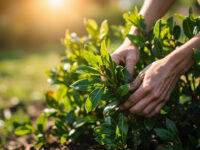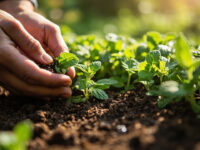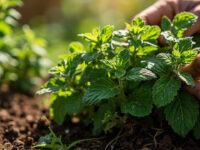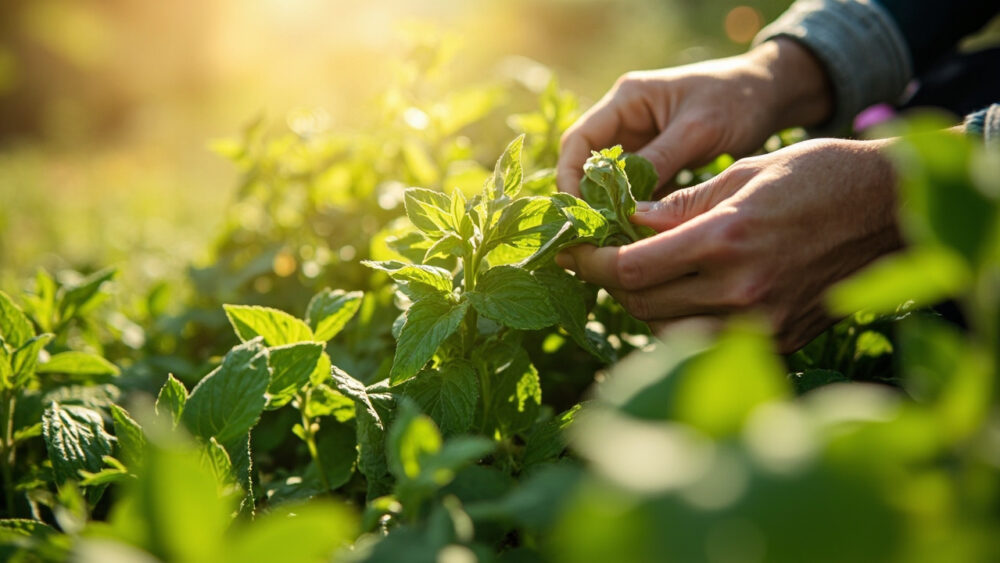
You can harvest lemon balm as soon as the stems reach about 6 to 8 inches tall and have several sets of full-sized leaves, and the best time of day to do it is mid-morning after the dew dries but before the afternoon heat hits. Lemon balm is one of the few herbs that actually wants you to cut it hard and often. This is not a one-shot harvest, it is a plant that rewards repeated cutting all season long.
That said, there are a few ways to get less flavor and less plant out of the deal. Cutting too late in the day, harvesting after the plant flowers without knowing what that does to the leaves, and taking the wrong part of the stem all cost people real quality without them ever realizing why their lemon balm tea tastes flat.
Stick around and I will walk through the exact signs that tell you it is ready, the timing window that matters more than people think, the cut that keeps the plant producing instead of stalling out, and how to dry or store what you cut so it still tastes like something in January. There is a save-able Lemon Balm at a Glance card at the bottom with every number in one place.
The Real Ready Signs
Forget counting days from planting. Lemon balm tells you it is ready through size and leaf density, not a calendar.
Height and fullness
Once stems hit 6 to 8 inches with several full leaf pairs, you can start snipping. By the time the plant is 10 to 12 inches tall and bushy, you have got real volume to work with.
New transplants need about 4 to 6 weeks in the ground before they hit this stage. Direct-sown lemon balm takes longer, often 8 weeks or more, since the seed itself is slow to germinate and the seedlings start small.
Leaf color and texture
Leaves should be a solid mid-green, slightly crinkled, and firm when you rub one between your fingers. If they feel thin, pale, or floppy, the plant needs more time, more light, or more food before you take much off it.
The smell test never lies, and that is where the timing window gets interesting.
The Timing Window That Actually Matters
The best flavor comes right before the plant flowers, not after. This is the mistake that quietly ruins most people’s harvest. Once lemon balm sends up flower spikes, usually in its second summer or later in its first if the plant matures fast, the leaves shift energy toward seed production and the lemony oils that give lemon balm its whole reason for existing start to fade.
If you assumed a bigger, flowering plant means a stronger harvest, that guess is backwards here. Flowering plants look impressive but taste weaker.
Harvest in flushes through the growing season instead of waiting for one big cutting. From late spring through early fall, in most climates you can cut every 3 to 4 weeks. Each cutting should take no more than a third of the plant at once.
Go too early, before the plant has real leaf mass, and you stunt a young plant that needed to build roots first. Go too late, after flowering is underway, and the leaves you get are grassier and less citrusy no matter how good they look.
There is also a daily window inside the seasonal one.
Time of Day Changes the Oil Content
Cut in mid-morning, after dew has dried but before the sun gets hot. The essential oils that carry lemon balm’s scent and flavor are highest in the morning and drop off as heat builds through the afternoon.
Wet leaves from morning dew or rain also mold faster once cut, which matters a lot if you are drying the harvest. A dry-but-cool cutting window solves both problems at once.
Now for the part that actually determines whether the plant keeps producing or starts to sulk.
How to Cut Without Wrecking the Plant
Cut individual stems back by about a third to a half of their length, making the cut just above a set of leaves or a node. Do not strip individual leaves off a standing stem and leave bare stalks behind, that slows the plant down rather than encouraging new growth.
Use clean, sharp scissors or snips rather than tearing by hand. Torn stems are more prone to disease and dry out faster at the wound.
- For light, ongoing harvest: snip the top few inches of active stems, which encourages the plant to branch out and get bushier.
- For a bigger harvest: cut whole stems down to 2 to 3 inches above the base, which is fine to do two or three times a season on an established plant.
- Never cut all the way to the ground or take more than about a third of the total plant in one session, since that removes too much leaf surface for the plant to recover quickly.
A plant cut this way will push new growth within a week to ten days under decent conditions.
Once you have got a basket of cut stems, what you do in the next hour matters almost as much as the cut itself.
Right After the Cut: Do Not Let It Sit
Get cut lemon balm out of direct sun immediately and into water or a cool spot within a few minutes of cutting. Leaves wilt fast once separated from the roots, and wilted leaves lose aroma before you even get them inside.
If you are using it fresh that day, treat it like cut flowers: stems in a glass of water on the counter, out of direct sun, and it will hold for a day or two.
If you are drying or storing, skip the water altogether and move straight to processing, since damp stems invite mold during drying.
Rinse only if the leaves are dusty or you have been dealing with pests, and pat completely dry afterward.
That brings up the honest question most people are about to ask next: how do you actually keep this stuff usable?
Drying, Storing, and Keeping the Harvest Coming
Air-dry lemon balm by hanging small bundles of stems upside down in a warm, dark, well-ventilated spot for 1 to 2 weeks, or dry the leaves flat on a screen if your climate is humid and hanging bundles mold before they dry. A dehydrator on its lowest setting, usually around 95 to 100°F, works faster and preserves more of the lemon scent than a hot oven ever will.
Leaves are dry when they crumble rather than bend. Strip them from the stems, store whole or lightly crushed in an airtight jar, and keep the jar out of direct light.
Dried lemon balm holds good flavor for about 6 to 12 months, then it fades to background green rather than going bad outright.
Freezing is the better option if flavor matters more than convenience. Chop leaves and freeze them in a little water or in ice cube trays, which locks in more of the essential oil than air drying does.
As for keeping the plant productive, that comes down to consistency, not luck. Regular light harvesting every 3 to 4 weeks, watering when the top inch of soil dries out, and pinching off flower spikes as soon as you see them will keep a lemon balm plant producing usable leaves from late spring into fall, often for several years, since this is a perennial in USDA zones 4 through 9.
Cut it, use it, cut it again. That is the entire rhythm once you know the signs.
Lemon Balm at a Glance
- When it is ready: stems 6 to 8 inches tall or taller, with several full sets of firm, mid-green leaves.
- Best time of day: mid-morning, after dew dries and before afternoon heat, when essential oil content peaks.
- Best time of season: before flowering, harvesting in flushes every 3 to 4 weeks through the growing season.
- How much to cut: no more than a third to a half of any single stem, and no more than a third of the total plant at once.
- Where to cut: just above a leaf node, using clean scissors or snips rather than tearing.
- After cutting: get leaves out of direct sun fast, into water if using fresh, or straight to drying if storing.
- Storage life: dried leaves hold good flavor 6 to 12 months, frozen leaves preserve more aroma than drying does.
The single thing to remember is that lemon balm rewards a light hand used often, not one big harvest at the end of the season.
Cut before it flowers, cut a third at a time, and this plant will keep feeding you until frost shuts it down.