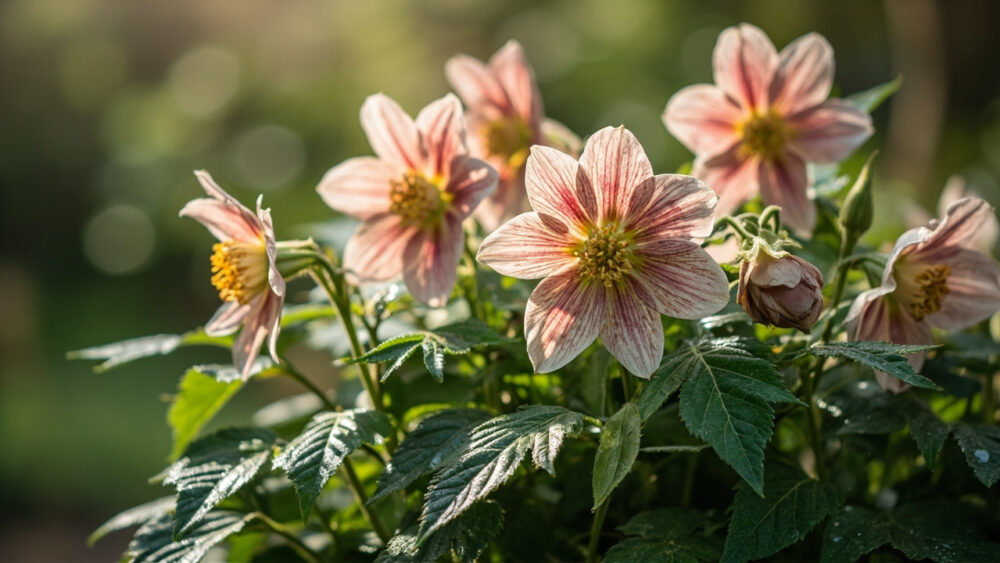
Hellebores bloom in late winter to early spring, typically from January through April depending on your climate, and each flower stays fresh on the plant for four to eight weeks. In mild winter regions you might see buds cracking open in January while snow is still on the ground. In colder zones the show usually starts in March.
That range is honest but it hides some things worth knowing. Your specific plant’s timing depends on variety, age, and even which side of the house it sits on, and if your hellebore has never bloomed at all, that is a different problem with its own fix.
Stick with this one. Below is the bloom window explained properly, what actually controls it, how to coax out more flowers, why yours might be sitting there green and stubborn, and the aftercare that stretches the display. There’s also a save-able quick-reference card at the bottom with the core answer and every qualifier in one place.
The Real Bloom Window, and Why “Weeks” Undersells It
Most hellebores start budding in late winter, often while there is still frost on the ground, and hold their flowers for a genuinely long time compared to most perennials. Six to eight weeks per bloom cycle is typical, sometimes longer in cool, shaded spots where flowers do not stress out and fade fast.
The flowers themselves also age in an interesting way. They start out rich in color, gradually fade to green or muted tones, and stay attractive on the plant even as true “petals” (which are actually sepals) persist for weeks after pollination.
That long hang time is part of why gardeners get attached to hellebores in the first place.
What Actually Controls When Yours Blooms
Three things drive timing more than anything else: variety, climate, and microclimate. Helleborus niger (Christmas rose) tends to bloom earliest, sometimes around the winter holidays in mild areas. Helleborus x hybridus, the common garden hellebore, usually follows in late winter into early spring.
Your zone matters just as much as the variety tag. Gardeners in zone 4 or 5 might not see open flowers until March or April, while zone 7 and 8 gardeners can have blooms in January.
Microclimate is the part people forget. A hellebore tucked against a south-facing wall or foundation will bloom noticeably earlier than the same variety planted in open shade twenty feet away, because the soil there warms up sooner.
If you want to know what your own plant will do, watch the soil, not the calendar.
Getting More Flowers, Not Just Waiting for Them
If you assumed more fertilizer means more flowers, that is not really where the leverage is with hellebores. These plants bloom better from consistency than from feeding.
Established, undisturbed plants flower far more heavily than recently divided or transplanted ones. A hellebore often needs two to three years after planting to hit its full flower count, so a thin first bloom season is normal, not a failure.
Morning sun with afternoon shade tends to produce more buds than deep shade, especially in cooler climates. Full deep shade under evergreens will keep a plant alive and green for years with barely a flower to show for it.
A light topdressing of compost in fall, plus consistent moisture through autumn while buds are forming underground, does more for next year’s flower count than any spring fertilizer push.
Next year’s bloom is actually decided months before you see a single bud.
Why It Might Not Be Blooming At All
If your hellebore has healthy leaves but no flowers, the most common cause is simply youth. A plant grown from seed can take three to five years to reach full flowering size, and even a nursery-bought plant may sulk for a season after transplant shock.
Too much shade is the second most common cause. Hellebores tolerate deep shade for foliage but bloom noticeably better with some filtered or morning light.
Old, tired foliage can also physically hide the flowers, which form low and can be buried under last year’s leathery leaves. Check underneath the canopy before assuming there are no buds at all.
Lastly, a plant that was divided or moved recently often skips a full bloom cycle while it rebuilds roots, which is a normal recovery pause, not a sign of a dying plant.
Once you know why it’s holding back, the aftercare habits below are what keep a good bloomer good.
Deadheading and Aftercare That Extends the Show
Hellebores do not need deadheading to rebloom the way some perennials do, since they only flower once per season. But cutting off spent flower stems once they turn fully green and papery redirects energy into the root system rather than seed production.
Cut back old, tattered foliage in late winter, right before or as new flower stalks emerge. This single step matters more than most people realize, both for appearance and for letting light reach the new buds.
Skip fertilizing during the bloom itself. Instead, feed lightly with compost after flowering finishes, while the plant is building strength for next winter’s show.
All hellebore parts are toxic if ingested, to both people and pets, and can cause symptoms including drooling, vomiting, or digestive upset. If a pet or child eats any part of the plant, contact a veterinarian or doctor rather than waiting to see what happens.
Here is everything from this article condensed into one card you can save.
Hellebores: Quick Reference
- Bloom window: late winter to early spring, roughly January through April depending on zone and variety.
- Bloom duration: each flush of flowers lasts four to eight weeks, sometimes longer in cool shade.
- Earliest bloomers: Helleborus niger, often around the winter holidays in mild climates.
- Typical garden hybrids: Helleborus x hybridus, usually blooming late winter into early spring.
- Best light for flowering: morning sun with afternoon shade, rather than deep full shade.
- Maturity to full bloom: two to three years after planting, three to five years from seed.
- Toxicity: toxic to humans and pets if ingested, contact a veterinarian or doctor for suspected ingestion.
Hellebores reward patience more than effort, which is a rare trade in the garden.
Give one a season or two before you judge it, and it will likely outlast every annual you planted beside it.