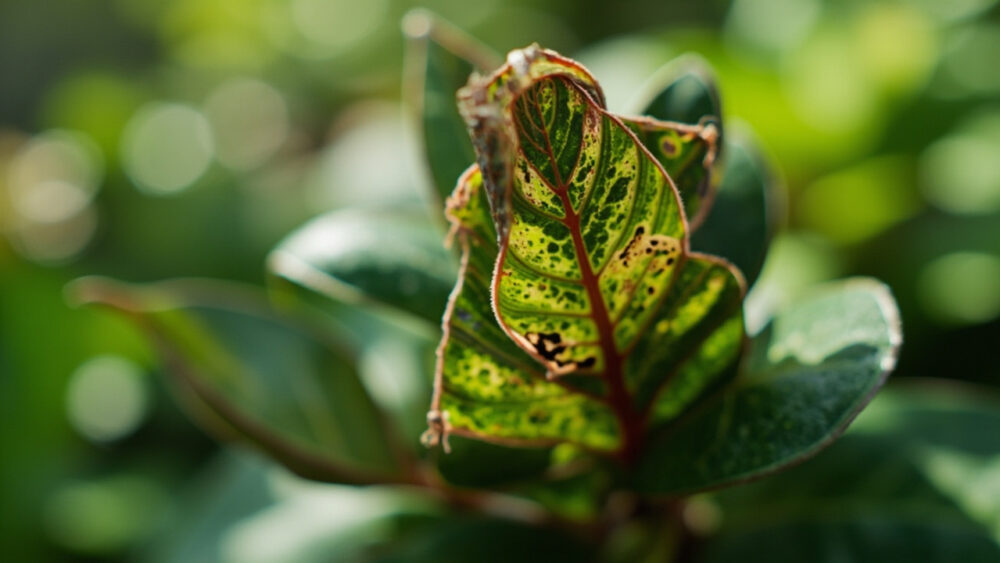
Curling leaves on a prayer plant almost always mean the soil has gone dry between waterings for too long or the air around it is too thin and dry. The fix is usually simple: water before the soil fully dries and raise the humidity, and most plants uncurl within a day or two once they rehydrate. But that is only the most common cause, not the only one, and guessing wrong wastes time the plant does not have.
Here is the thing almost everyone gets backwards. Most people see curling leaves and assume the plant is thirsty, so they water immediately, sometimes on top of soil that is already soggy. That guess drowns roots almost as often as it saves them. The detail that actually tells you which cause you have is not the leaf curl itself, it is what the soil, the leaf color, and the timing are doing alongside it.
Below, every real cause ordered by likelihood, the exact test to confirm each one, the honest recovery odds, and at the bottom a two-minute diagnosis checklist you can run right at the plant.
Why Prayer Plant Leaves Curl, Most Likely Cause First
1. Underwatering and dry soil
Confirm it: push a finger 1 to 2 inches into the pot. If it comes out bone dry, and the curling leaves are older or lower ones with dry, slightly crispy edges, this is your cause. Prayer plants (Maranta and Ctenanthe types) wilt and roll their leaves inward as a moisture-conserving move well before they look truly wilted.
Fix it: water thoroughly until it runs from the drainage holes, then let the top inch dry before the next watering. Do not let this plant go bone dry on a regular schedule.
That fixes the most common case, but a plant that stays curled after watering has a different problem entirely.
2. Low humidity
Confirm it: check the room, not the pot. If the soil is evenly moist but leaves still curl and edges look dry or papery, especially near a heater vent, fireplace, or air conditioner, humidity is the driver. Prayer plants come from tropical forest floors and want humidity well above what most living rooms hold in winter.
Fix it: group it with other plants, run a small humidifier nearby, or set the pot on a pebble tray with water below the pot’s base. Misting gives a brief cosmetic bump but does not fix the underlying air.
If the soil looks fine and the air feels dry, this is almost certainly it, but not every dry-looking leaf is a humidity problem.
3. Overwatering and root stress
Confirm it: soil that stays wet for more than 4 to 5 days, a sour or swampy smell at the surface, or leaves that curl and also feel soft or yellowed rather than crisp all point here. Pull the plant slightly and check for dark, mushy roots instead of firm pale ones.
Fix it: stop watering until the top 1 to 2 inches dry out. If roots are mushy, unpot, trim off the rotten parts with clean scissors, and repot into fresh, well-draining soil. Always confirm that the pot actually has drainage holes.
This one gets missed because the curling looks identical to thirst, and treating it like thirst makes it worse.
4. Too much direct light or heat
Confirm it: curling paired with bleached, faded, or scorched patches, mostly on the side facing a window, points to light stress. Prayer plants want bright, indirect light, and a few hours of direct afternoon sun through glass can cook the leaf edges.
Fix it: move it a few feet back from direct sun or filter the light with a sheer curtain. Recovery on damaged leaves does not happen, but new growth comes in fine once light is corrected.
Light damage is often patchy and one-sided, which is your biggest clue it is not water-related at all.
5. Temperature stress or cold drafts
Confirm it: sudden curling right after a cold snap, a drafty window, or placement near an AC vent, especially if temperatures dropped below about 55 F (13 C), points here. The curl often comes on fast, within a day, rather than building slowly.
Fix it: relocate away from drafts and keep the room above 60 to 65 F (16 to 18 C) consistently. This plant does not tolerate cold well and sulks hard when chilled.
Sudden, fast-onset curling with no other symptom usually means environment, not care routine.
6. Fertilizer buildup or root damage from salts
Confirm it: a white or crusty film on the soil surface or pot rim, combined with curling and browned leaf tips, suggests salt buildup from fertilizer. This shows up more in plants fed heavily or watered with hard tap water over months.
Fix it: flush the pot with plenty of plain water until it runs freely from the drainage holes several times, then hold off fertilizing for a month. Feed at half strength going forward.
Once salts are flushed, new leaves usually come in clean, though damaged ones stay damaged.
7. Pests
Confirm it: flip leaves and check stem joints for tiny webbing, fine specks, or small moving dots, most often spider mites in dry indoor air. Curling here comes with stippled or speckled discoloration rather than uniform rolling.
Fix it: isolate the plant, rinse foliage well under running water, and treat with insecticidal soap or a labeled miticide, following the product label exactly. Raising humidity also discourages mites, since they thrive in dry air.
Pests are the least common cause but the easiest to miss if you never turn the leaf over.
How to Tell the Causes Apart
Location on the plant is your fastest clue. Older, lower leaves curling first with dry edges usually means underwatering. Newer growth curling or emerging small and tight often points to humidity or temperature stress.
Speed matters too. A curl that appears within a day of a cold night is environmental. A curl that builds over a week alongside dry soil is watering. A curl that comes with yellowing and soft tissue is almost always overwatering, not drought.
Pattern tells you the rest, one-sided and scorched means light, speckled and dusty means pests, and a white crust on the soil means salts.
Once you have narrowed it to one or two candidates, the next question is whether the plant actually bounces back.
Will It Recover?
Underwatering and humidity issues recover fastest, often within 24 to 72 hours of the fix, and existing leaves usually uncurl on their own. This is the best-case scenario and the most common one.
Overwatering has a real recovery curve but it depends on root damage. Catch it early and the plant rebounds in 1 to 2 weeks. Let it sit in mushy roots too long and you are looking at a repot-and-hope situation, sometimes a plant that does not make it.
Light, cold, and salt damage will not heal on damaged leaves, those stay marked permanently, but new growth comes in normal once conditions are corrected. Trim the ugly ones for appearance, not survival.
Pest damage recovers once the infestation is controlled, though heavily speckled leaves stay that way and new growth is where you will see the real improvement.
The honest line: if the crown and stems are still firm and there is no widespread rot, this plant almost always comes back.
How to Keep It From Happening Again
Water on feel, not schedule. Check the top inch or two of soil with a finger before every watering rather than watering on a fixed day.
Keep humidity above roughly 50 percent if you can, using a humidifier or pebble tray rather than relying on misting alone. Prayer plants are one of the more humidity-hungry common houseplants.
Give it bright, indirect light, a few feet back from a south or west window, and keep it away from heater vents, cold drafts, and AC blasts. Feed lightly during active growth and flush the pot with plain water every couple of months to prevent salt buildup.
Get those four things steady and curling becomes rare, which brings us to the checklist you can run right now.
Diagnosis Checklist
- Check the soil 1 to 2 inches down: if bone dry, water thoroughly and expect uncurling within 2 to 3 days.
- If soil is moist but leaves still curl, check room humidity: if the air feels dry or the plant sits near a vent, raise humidity before doing anything else.
- If soil has stayed wet for several days or smells sour, check the roots: firm and pale means wait to water, dark and mushy means repot and trim rot immediately.
- Look for one-sided fading or scorch marks: if present, move the plant back from direct sun rather than adjusting water.
- Note how fast the curl appeared: within a day after cold exposure means move it away from drafts and cold glass.
- Check for white crust on the soil or pot rim: if present, flush the pot with plain water and pause fertilizing for a month.
- Flip a few leaves and inspect stem joints closely: webbing or tiny specks mean pests, isolate the plant and treat per the product label.
- If none of the above match and the crown feels firm with no rot, hold steady on good watering and light for a week before changing anything else.
Most curling prayer plants are telling you something simple: too dry, too thirsty for humidity, or too wet, in that order of likelihood.
Fix the right one and this plant forgives fast.