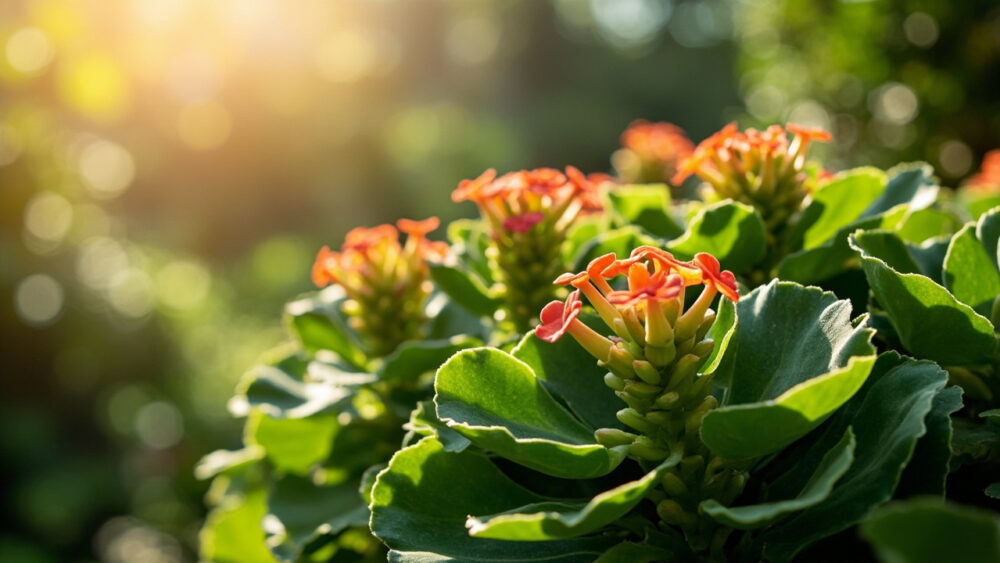
Yes, kalanchoe is toxic to dogs. Every part of the plant contains compounds called bufadienolides, and eating any amount worth mentioning can cause vomiting, drooling, and diarrhea, with more serious heart effects possible in larger ingestions. So if you’re standing in the nursery aisle or looking at the kalanchoe already on your porch wondering whether it’s safe to keep around a dog, the honest answer is no, not without some precautions.
But the severity depends on a few things most people never think to check: how much your dog actually ate, which part of the plant it was, and whether you caught it right away or found the evidence an hour later. There’s also a sneaky detail about flowering kalanchoe that catches people off guard, since bloom time is exactly when this plant tends to get more toxic, not less.
Stick with me through the next few sections and you’ll know exactly what signs to watch for, what to do in the next ten minutes if you suspect a bite, and which look-alike succulents you can grow instead if you want something totally worry-free. There’s also a save-and-share quick reference card at the bottom for exactly this situation.
The Plain Answer: Kalanchoe Is Toxic, Not Just “Mildly Irritating”
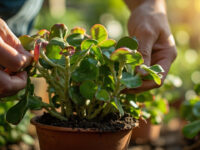
Kalanchoe (any species, including the common florist kalanchoe, Kalanchoe blossfeldiana, and the taller Kalanchoe daigremontiana known as mother of thousands) is genuinely toxic to dogs, not just a mild stomach irritant like some houseplants get labeled. The toxic compounds are cardiac glycosides, the same general family found in foxglove and oleander, though kalanchoe’s concentration is lower.
Most cases are mild because dogs rarely eat enough to cause serious heart problems. A curious nibble on one leaf is a different situation than a puppy who chewed through half the pot.
That distinction is exactly what the next section helps you sort out.
Which Part, and How Much, Actually Changes the Risk
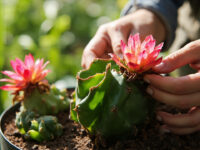
All parts of the plant carry the toxin, but concentration is not even throughout. Flowers and the area right around the flower clusters tend to carry the highest concentration, which is inconvenient because that’s also the part dogs and cats are most drawn to swat and chew.
Leaves are still a real risk, just generally a notch below the blooms. Roots and dried plant matter retain toxicity too, so a dropped dead leaf on the floor is not a free pass.
A single lick or brief mouth contact with no swallowing is a very different scenario than a dog who actually chewed and ate leaf material. Quantity matters, and so does whether your dog is a small breed or a large one, since the same bite of plant hits a ten-pound dog much harder than an eighty-pound one.
Knowing what was eaten only helps if you also know what symptoms to watch for next.
Signs Your Dog Ate Kalanchoe
Most exposures show up in the gut first. Watch for:
- Drooling or lip-licking right after chewing on the plant
- Vomiting
- Diarrhea, sometimes with straining
- Loss of appetite or general lethargy
In larger ingestions, the cardiac glycosides can affect heart rhythm. Watch for anything that looks like weakness, an irregular or unusually slow heartbeat, collapse, or tremors, and treat any of those as urgent, not wait-and-see.
Symptoms can start within a couple of hours of eating the plant, though gut symptoms sometimes take longer to show up fully.
If you’re seeing any of this, the next section is exactly what to do right now.
What to Do If Your Dog Ate Kalanchoe
Call your veterinarian or an animal poison control line immediately, even if your dog seems fine so far. Cardiac glycoside toxicity can take a little time to show its full picture, and vets would much rather talk you through a mild case early than manage a severe one late.
Bring or describe the plant itself if you can, ideally a photo or the actual leaf, since confirming it really is kalanchoe (and not a similar-looking succulent) speeds up their assessment.
Try to estimate how much was eaten and when. Note any symptoms you’ve already seen, even small ones like drooling.
Do not induce vomiting or give any home remedy on your own, since that decision depends on factors only a vet can weigh properly. This is a call-first situation, not a wait-and-watch one.
If your household is done with kalanchoe scares altogether, there are safer options that still give you that same succulent look.
Safer Look-Alikes If You Want the Same Look Without the Risk
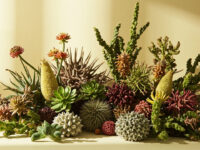
If you love the chunky, scalloped-leaf succulent look of kalanchoe but want something you don’t have to police around a curious dog, a few options are considered non-toxic or low-risk for pets:
- Haworthia (spiky rosette look, genuinely pet-safe)
- Echeveria (rosette-forming, generally considered non-toxic, though check the specific variety)
- Christmas cactus, Schlumbergera (blooms almost as showy as kalanchoe, non-toxic to dogs and cats)
- Ponytail palm (Beaucarnea recurvata, technically not a true palm, but pet-safe and low-fuss)
No plant list replaces good placement habits, though. Even a non-toxic plant knocked over by a dog can mean a stomach full of dirt and a broken pot, so height and stability still matter regardless of what you grow.
Whichever way you go, the card below is worth saving for the next time this question comes up.
Kalanchoe: Quick Reference
- Toxic to dogs: yes, contains cardiac glycosides called bufadienolides, in every part of the plant.
- Highest risk part: flowers and the tissue immediately around them, though leaves and stems are also toxic.
- Common signs: drooling, vomiting, diarrhea, lethargy, and in larger ingestions, irregular heartbeat, weakness, or collapse.
- What changes severity: amount eaten, size of the dog, and whether it was a lick versus an actual chewed and swallowed bite.
- What to do: call your veterinarian or a pet poison control line right away, describe or show the plant, note timing and symptoms, and do not attempt home treatment.
- Safer alternatives: haworthia, echeveria, Christmas cactus, and ponytail palm all give a similar succulent look with far less risk.
Kalanchoe is a genuinely lovely, low-maintenance bloomer, but it earns its spot on the toxic plant list.
Keep it up high, out of chewing range, and know your vet’s number before you ever need it.