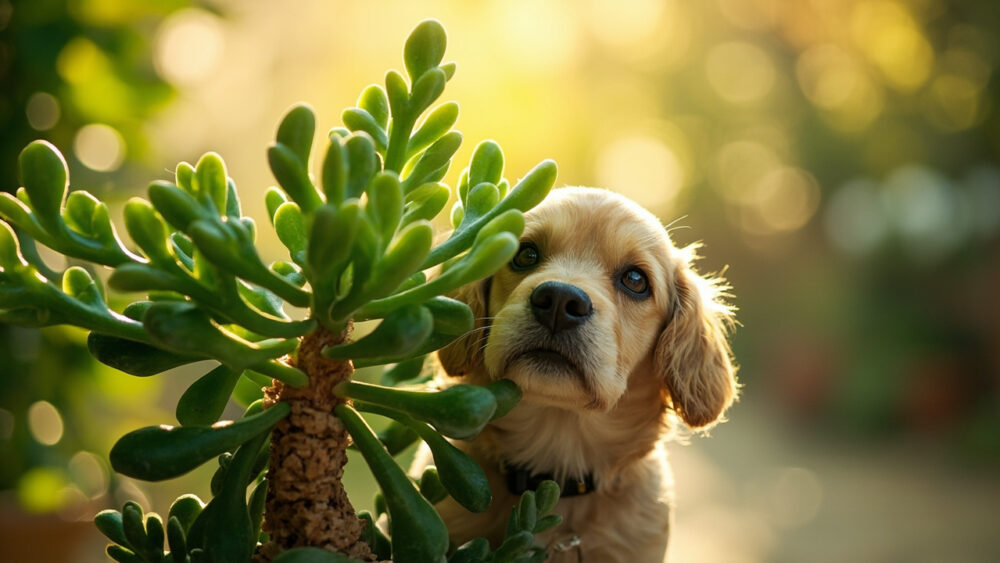
Yes, jade plant is toxic to dogs. Every part of the plant, especially the leaves, can cause vomiting, drooling, weakness, and general depression if a dog chews or swallows it. It is not one of the plants that will kill a dog outright, but it is not one you want to gamble on either.
What most people get wrong is assuming toxic means severe. With jade plant, the reaction is usually mild to moderate, but “usually” is not a promise, and the amount your specific dog ate, their size, and whether they have other health issues all change how bad it gets.
Below I will walk through exactly what parts matter, the signs to watch for, what to actually do right now if your dog just ate some, and a few safer succulents that give you the same look without the risk. Save the quick-reference card at the bottom for the fridge or your phone.
The Plain Answer: Jade Plant and Dogs Do Not Mix
Jade plant (Crassula ovata) is classified as toxic to dogs, cats, and horses. The exact toxic compound has not been pinned down by researchers the way it has in some other houseplants, but the effect on pets is well documented and consistent across cases: gastrointestinal upset and a drunk-looking wobbliness in some dogs.
It is not in the same danger tier as something like sago palm or lily (for cats). Jade plant poisoning is rarely life-threatening in an otherwise healthy adult dog, but puppies, small breeds, and dogs with existing health problems are at higher risk from even a small amount.
None of that changes what you should do if it happens, and that is coming up.
Which Part Your Dog Ate Actually Matters
The leaves are the part dogs usually go for, since they are the plump, chewable part sitting at nose height on a windowsill or side table. They are also the part with the highest concentration of the plant’s irritating compounds.
A dog that licked a leaf or took one experimental bite is a very different situation than a dog that stripped several branches. Quantity is the single biggest variable in how rough the next few hours are going to be.
Stems and roots are generally less appealing to dogs and less commonly the source of a reported case, but they are not “safe,” they are just less often the problem in practice.
Next, the actual signs to watch for once you know what was eaten.
Signs of Jade Plant Poisoning in Dogs
Signs typically show up within a few hours of ingestion. Watch for:
- Vomiting
- Excess drooling
- Loss of coordination or a wobbly, uncoordinated walk
- Lethargy or unusual quietness
- Slowed heart rate in some cases
The wobbliness catches most owners off guard. If you did not see your dog eat anything and they suddenly seem uncoordinated or “off,” a chewed houseplant is worth checking for before you assume something worse or nothing at all.
Knowing the signs is only useful if you know what to do with them.
What To Do If Your Dog Ate Jade Plant
Call your veterinarian or an animal poison control line right away, even if your dog seems fine. Symptoms can lag behind ingestion, and a vet can tell you whether this specific situation needs an in-person visit based on your dog’s size, age, and how much was eaten.
Before you call, try to gather a few things that will make the call faster and more useful:
- How much of the plant is missing or chewed, roughly
- How long ago it happened, as close as you can estimate
- Your dog’s approximate weight
- Any symptoms you have already noticed
Do not induce vomiting, give food or water to try to dilute it, or attempt any home remedy on your own. Let the vet or poison control guide the next step based on the actual case in front of them, not a generic internet protocol.
If you are rehoming the plant after this scare, or just want peace of mind going forward, there are better options for a dog household.
Safer Succulents If You Want the Look Without the Risk
You do not have to give up the chunky, architectural succulent look to keep a dog safe. Several common look-alikes are considered non-toxic or low-risk:
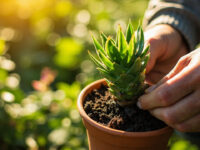
- Haworthia, the small striped rosette succulent often sold alongside jade plant
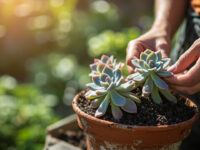
- Echeveria, the classic rosette succulent in blue-green or pink tones
- Ponytail palm, despite the name it is a safer choice than most true palms
- Christmas cactus, a flowering succulent that is non-toxic to dogs and cats
Always double check any new plant against a current ASPCA or vet-verified toxic plant list before bringing it home, since a plant’s common name can refer to more than one species. That five-minute check is cheaper than an emergency vet visit.
If you still want to keep your jade plant, the fix is usually placement, not removal.
Keeping Jade Plant and a Dog in the Same House
Most jade plant incidents happen with plants sitting at dog height, on low tables, plant stands, or the floor near a sunny window. Moving the pot up onto a shelf, a hanging planter, or a stand out of jumping range solves the problem for most dogs.
Puppies and young dogs are the highest-risk group, since they chew everything as a matter of course and have less body mass to buffer a given amount of plant material. If you have a puppy in the house, treat every houseplant as reachable until proven otherwise.
A little placement strategy now beats a vet call later.
Jade Plant: Quick Reference
- Toxic to dogs: yes, jade plant (Crassula ovata) is toxic to dogs, cats, and horses.
- Severity: usually mild to moderate in healthy adult dogs, higher risk for puppies, small breeds, and dogs with existing health conditions.
- Most concentrated part: the leaves, though all parts of the plant are considered toxic.
- Common signs: vomiting, drooling, wobbly or uncoordinated movement, lethargy, and in some cases a slowed heart rate.
- What to do: call your veterinarian or a poison control line immediately for any suspected ingestion, note the amount eaten and time elapsed, and do not attempt home treatment.
- Safer alternatives: haworthia, echeveria, ponytail palm, and Christmas cactus are commonly grown non-toxic substitutes.
Keep this card handy, and keep the jade plant out of paw’s reach.
When in doubt, the phone call to your vet costs nothing and settles the question fast.