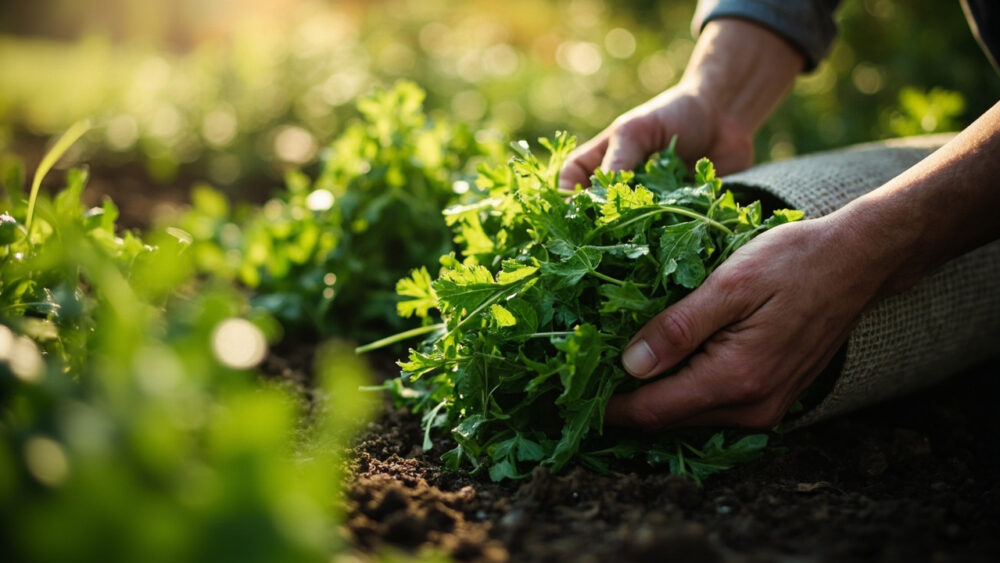
The right way to store arugula is unwashed, wrapped loosely in a paper towel or dry kitchen towel, sealed in a container or produce bag with a little air space, and kept in the crisper drawer of the fridge. Done that way, it holds up for about five to seven days. Skip a step and you will be looking at slime by day three.
Most people ruin a bag of arugula in one of two ways: they wash it before storing and trap the water in, or they seal it up airtight in a bag that has no room to breathe. Both mistakes feel like the responsible, tidy thing to do. Both speed up the rot.
There is also a sign of spoilage almost everyone misreads, and a real answer on whether arugula freezes worth eating raw later. Stick with me through the how-to and the mistakes, and the save-able Arugula at a Glance card is waiting at the bottom for your phone.
The Best Method, Step by Step
Start dry. If your arugula came from the garden with soil clinging to the leaves, brush it off gently rather than rinsing.
Line a container with a paper towel or clean kitchen towel. Lay the arugula in loosely, don’t cram it. Add another paper towel on top if the leaves feel at all damp.
Close the container with the lid slightly ajar, or use a produce bag with a few small holes, or wrap the whole bundle in a towel and slide it into a loosely closed bag. The goal is airflow without letting the leaves dry out and go crisp.
Set it in the crisper drawer, ideally the one with higher humidity if your fridge has both settings.
That single choice, damp towel plus loose seal, is most of the battle.
How Long It Actually Keeps
On the counter, arugula is done in a matter of hours once it’s warm, it wilts fast and has no business sitting out.
In the fridge using the dry towel method, expect five to seven days of good eating, sometimes a bit longer if the leaves were fresh and cool when you started.
Bunched arugula with roots still attached, standing in a jar of water like cut flowers, can push closer to ten days, but only if you change the water every couple of days and keep a loose bag over the leaves.
Freezing works, but not for salads. Frozen arugula turns soft and a little dulled in color, fine for stirring into soup, eggs, or a blended sauce, useless raw.
If you were hoping to freeze a bag for BLTs in February, that’s the honest answer: it won’t be the same leaf.
Prep That Makes or Breaks the Batch
If you assumed washing first is the safer, more sanitary move, that instinct is exactly what causes the mush. Water sitting on arugula leaves in a sealed container is the single biggest cause of early spoilage.
Wash right before you use it, not before you store it. A quick cold soak and spin dry, done at the moment you’re building the salad, is all it needs.
No blanching, no curing here, arugula isn’t a root vegetable or an onion. It’s a tender leafy green, closer in handling to spinach or baby lettuce than to garlic or shallots.
The only real prep decision is dry versus wet storage, and dry wins every time.
Get that one habit right and the rest of storage almost takes care of itself.
The Sign of Spoilage Everyone Misreads
Most people watch for wilting and think that’s the deadline. It isn’t.
Wilted arugula that’s gone a bit soft and floppy is often still perfectly fine to eat, sometimes it even perks back up after a cold water soak for ten minutes.
What actually means it’s turned is slime on the leaf surface, a sour or ammonia-like smell, or dark, wet, translucent patches on the leaves themselves. That’s bacterial breakdown, not simple moisture loss.
Yellowing at the edges is a middle ground, it’s past its peak, the flavor gets more bitter and sharp, but it’s usually still safe to cook into a pan sauce or soup even if you wouldn’t want it raw.
Trust your nose before your eyes here, slime and sour smell are the real deadline, not a droopy leaf.
The Mistakes That Cost You the Whole Bag
A few habits will take a fresh bunch and turn it in a day or two:
- Storing it wet: washing before storage traps water against the leaves and speeds rot.
- Sealing it airtight: zero airflow builds condensation inside the bag, which is just slow-motion washing it wet.
- Crushing it under other produce: bruised leaves break down faster than intact ones, keep it near the top of the drawer.
- Leaving it near the fridge door: temperature swings every time the door opens shorten its life noticeably.
- Storing it warm from the garden: field heat trapped in a sealed bag accelerates spoilage, let it cool first if you can.
Every one of these is fixable with the same fix: dry leaves, loose seal, cold and steady.
Arugula at a Glance
- Best method: unwashed, wrapped in a dry paper towel, stored loosely sealed in the fridge crisper.
- Fridge life: about five to seven days, up to ten for bunched arugula standing in water.
- Counter life: a few hours before it wilts, not a real storage option.
- Freezing: fine for cooked dishes like soups or sauces, not usable raw in salads.
- Wash timing: right before eating, never before storing.
- Real spoilage signs: slime, sour or ammonia smell, dark wet translucent patches, not simple wilting.
- Biggest mistake: sealing damp leaves in an airtight container.
Dry leaves and a loose seal beat every gadget and trick out there. Get that right and arugula is one of the easier greens to keep around all week.