Yes, you can freeze carrots, and done right they keep for 10 to 12 months with almost none of the mushy texture people complain about. The short version: peel, cut, blanch for 2 to 5 minutes depending on size, chill fast, then freeze on a tray before bagging. Skip the blanch and you get a batch that turns gray, bitter, and soft by month two.
That’s the headline. The details are where most people lose the batch.
There’s the mistake that ruins the texture in almost every freezer full of sad carrots. There’s the sign of freezer burn that people mistake for the carrots just “being fine.” And there’s the honest answer to the question you’re probably about to ask next: does this work with the carrots straight from the garden, or only store-bought. Stick around, because the save-able Carrots at a Glance card is waiting at the bottom with every number in one place.
The Right Way to Freeze Carrots, Step by Step
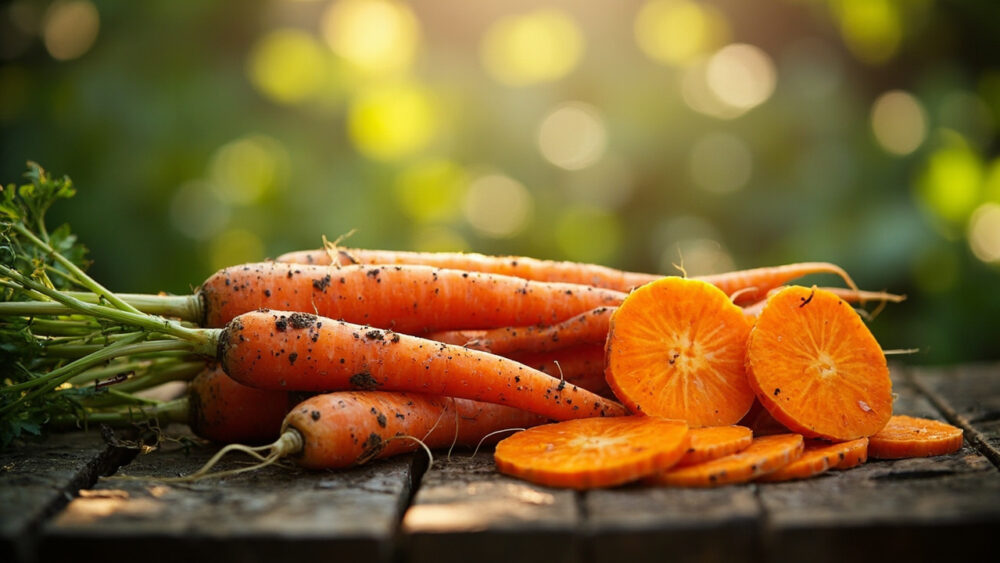
Wash and peel first. Scrub off garden soil, peel if the skin is tough or the carrots are older and woody, then cut into coins, sticks, or dice depending on how you’ll use them later.
Bring a pot of water to a full boil. Drop the carrots in and blanch: 2 minutes for thin coins or small dice, 3 minutes for sticks, up to 5 minutes for whole baby carrots.
Pull them immediately into an ice water bath for the same amount of time you blanched. This stops the cooking dead and locks in color and crunch.
Drain well and pat dry. Spread the pieces on a baking sheet in a single layer and freeze uncovered for 1 to 2 hours before bagging.
That single freeze-on-a-tray step is what separates carrots that pour out loose from a solid orange brick.
The Mistake That Ruins Almost Every Batch
If you guessed the mistake was freezing them raw, you’re close but not quite there. Plenty of people blanch correctly and still end up with mush.
The real culprit is skipping the ice bath or cutting it short. Blanching starts an enzyme-stopping process, but the carrots are still cooking from residual heat even after you drain them. Without a full cold plunge, they keep softening on their way into the freezer.
The second version of this mistake is bagging carrots while they’re still even slightly warm or damp. Trapped moisture turns to ice crystals, and ice crystals are what tear up the cell walls and turn carrots limp on thawing.
Dry, cold, and firm going into the bag is the whole game.
Do You Really Need to Blanch Them
You can skip blanching, but you’re trading texture for convenience, and it’s not a small trade. Unblanched frozen carrots lose crunch fast and develop a slightly bitter, “off” flavor within a month or two because the enzymes that cause that breakdown are still active.
Blanching also matters more for carrots than for some other vegetables because carrots are dense and hold moisture unevenly. Skip it and you’ll notice the outside of each piece softens while the core stays oddly firm.
The one exception: if you’re freezing carrots specifically to use in soups, stews, or purees within a couple months, unblanched is forgivable since they’re getting cooked hard anyway.
For anything meant to hold shape and crunch after thawing, that blanch step is not optional.
How Long Carrots Actually Keep, Every Way You’d Store Them
On the counter, cut or whole, carrots last only a day or two before going soft.
In the fridge, whole unwashed carrots with the tops removed keep 3 to 4 weeks in a plastic bag or crisper drawer. Cut or peeled carrots submerged in water in a sealed container keep about 2 weeks, with a water change every few days.
Cured and stored cool in a root cellar or similar spot around 32 to 40°F with high humidity, carrots can last 4 to 6 months, sometimes longer if packed in damp sand.
Frozen properly, blanched carrots hold good quality for 10 to 12 months. They’re still safe to eat well past that, but flavor and texture start fading noticeably after a year.
Freezing wins on longevity by a wide margin, but only if the prep was right going in.
The Signs Your Frozen Carrots Have Turned
Freezer-burned carrots don’t rot, they just decline, and that’s exactly why people miss it.
Watch for a dull, grayish or white surface instead of bright orange. That’s dehydration from air exposure inside the bag, not spoilage, but it means dry, tough spots that won’t rehydrate well.
A strong ammonia-like or sharp off smell on thawing is a real spoilage sign, not just freezer burn, and those carrots should be tossed.
Mushy, watery carrots that release a lot of liquid on thawing usually mean poor blanching or ice crystal damage. Safe to eat, just better suited for soup than a side dish at that point.
None of this is dangerous, it’s a quality problem, but knowing the difference saves you from either wasting good carrots or eating truly off ones.
Garden Carrots vs Store-Bought: Does It Change Anything
Here’s the honest answer to the question you were probably about to ask. Garden carrots freeze the same way as store-bought, but they need more attention before they ever hit the blanching pot.
Fresh-dug carrots hold more field moisture and soil residue, so scrub them well and expect to peel more aggressively if the skin is thin and hairy from young growth. Home-grown carrots pulled a little late in the season, once they’ve gone woody or developed a bitter core, will still taste woody after freezing. Freezing preserves what you start with, it doesn’t fix it.
Store-bought carrots are more uniform in size, which makes blanch timing easier to judge across a whole batch. With garden carrots of mixed sizes, sort them by thickness first and blanch in separate batches so the thin ones don’t overcook while the thick ones stay underdone.
Either source works fine frozen, the prep step just asks a little more patience from garden-grown roots.
Other Mistakes That Quietly Ruin a Batch
- Overpacking the bag: too many carrots piled in without flattening traps air and speeds up freezer burn.
- Skipping the pre-freeze tray step: bagging warm or wet carrots straight away creates one solid clump instead of loose, scoopable pieces.
- Using a bag that isn’t sealed well: air exposure is the single biggest cause of freezer burn, more than temperature swings.
- Freezing carrots that were already going soft: freezing halts decline, it doesn’t reverse it, so a limp carrot goes in and comes out limp.
- Forgetting to label with a date: “still good” and “actually a year old” look identical through a frosted bag.
Fix those five habits and your batch will outperform almost anyone else’s freezer drawer.
Carrots at a Glance
- Best method: peel, cut, blanch 2 to 5 minutes by size, ice bath, dry, freeze on a tray, then bag.
- Fridge life: whole carrots keep 3 to 4 weeks, cut carrots in water keep about 2 weeks.
- Freezer life: 10 to 12 months at best quality, safe well beyond that but texture fades.
- Cured storage: 4 to 6 months around 32 to 40°F with high humidity, longer if packed in damp sand.
- Sign of freezer burn: dull gray or whitish patches, tough spots that won’t rehydrate.
- Sign of real spoilage: sharp, ammonia-like smell on thawing, discard those.
- Biggest mistake: skipping or shortening the ice bath, which leaves carrots mushy within weeks.
Blanch it, chill it fast, dry it completely, and your carrots will taste like carrots eleven months from now.
Skip any one of those steps and the freezer will show you exactly which one, usually by February.