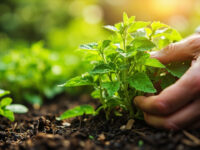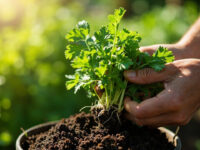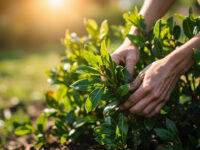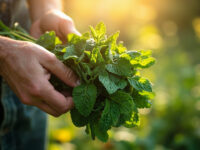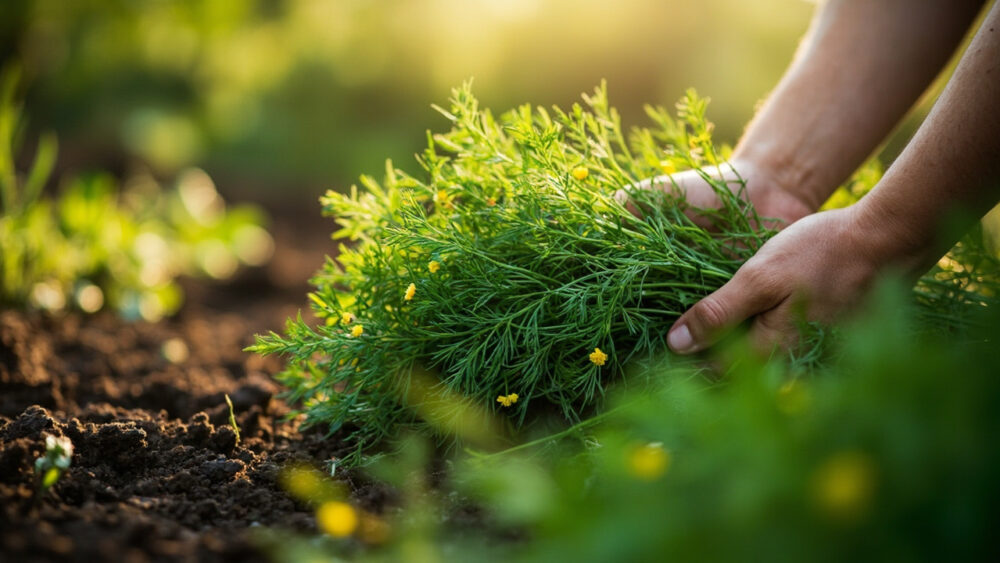
You harvest dill by snipping the feathery leaves once the plant has at least four to five true leaves and stands about 6 to 8 inches tall, cutting the outer fronds first and leaving the center growing. If you want seed instead of leaf, you wait until the flower heads turn brown and the seeds go from green to tan, then cut the whole head before they shatter on their own. Both jobs look simple, and both are where most people leave flavor and yield on the table.
Here is what nobody tells you upfront: the leaf harvest and the seed harvest are basically two different crops from the same plant, and going after both at once usually means you get neither one well. There is also a specific mistake, cutting straight down the middle stem, that stunts the plant right when it should be bushing out. And once dill bolts and flowers, most people assume the plant is done, when it is actually just switching jobs on you.
Stick around for the full breakdown of leaf timing, seed timing, and the cutting technique that keeps a dill plant productive for weeks instead of days. There is a save-able Dill at a Glance card at the very bottom with every number in one place.
The Sign Your Dill Is Ready to Cut
Dill is ready for its first leaf harvest once the plant has four or five sets of true leaves, which usually happens 45 to 60 days after seeding depending on temperature. It grows fast in warm weather and crawls in cool soil, so watch the plant, not the calendar square.
The visual cue is fullness, not height. A dill plant that is feathery and bushy at 6 inches is more ready than a leggy one at 10 inches that bolted early from heat stress.
If you are chasing dill for pickling or seed instead of fresh leaf, the ready sign is completely different, and that is the loop worth resolving next.
Leaf Harvest vs. Seed Harvest: Two Different Timelines
If you assumed dill just gets “ready” once and you harvest it, that guess costs people their seed crop. Leaf and seed are separate windows, and chasing both from the same stems means the leaves toughen before you cut them and the seeds get harvested green and bitter.
For leaf: harvest continuously from the four to five leaf stage right up until the plant sends up a flower stalk. Leaf flavor is best before flowering starts, since the plant redirects sugars and oils into the flower head once it bolts.
For seed: you let the plant flower on purpose. The yellow umbrella-shaped flower heads need 3 to 4 weeks after bloom to fill out and dry on the stem before the seed is ready to cut.
Decide early which job this particular planting is doing, because the plant cannot do both well at once.
How to Harvest Dill Leaves Without Stunting the Plant
Cut the outer, lower fronds first, leaving the center growth tip and the newest inner leaves alone. That center tip is where all new growth comes from, and cutting it kills the plant’s ability to bush out.
Use scissors or your fingers to snip a stem an inch or two above where it meets the main stalk. Never strip a stem bare in one pass. Take a few fronds from several stems rather than every frond from one stem, so the plant recovers evenly.
Morning harvest, after the dew dries but before the heat of the day, gives you the highest concentration of aromatic oils in the leaf. Afternoon-cut dill wilts faster and tastes flatter.
Get the cutting technique right and the next problem to solve is how much you can take without slowing the plant down.
How Much to Cut at Once
Take no more than a third of the plant’s total foliage in any single harvest. Dill regrows fastest when it still has two-thirds of its leaf surface working for it.
A young plant under 6 inches should not be cut hard at all. Let it build size for another week or two before your first real harvest.
Respecting that one-third rule is exactly what keeps this plant cranking out fresh growth for weeks instead of one big cut and done.
What Happens If You Harvest Too Early or Too Late
Too early means cutting a plant with only two or three true leaves. You get almost nothing usable, and the plant may struggle to recover its growing point if you took the wrong leaves.
Too late for leaf means waiting until after the plant bolts and flowers. The leaves turn coarser, more bitter, and thinner in aroma, because the plant has moved its energy into seed production.
Too early for seed is the costlier mistake. Seed heads that are still green or just turning tan are not finished. Cut then and you get seed that will not germinate well and tastes grassy instead of warm and anise-like.
Too late for seed means the heads shatter and drop most of your crop into the soil before you ever get a bowl under them. There is a narrow window, and dill does not wait politely for you to notice.
Timing seed harvest right takes a specific technique, and that is the next thing to get exactly right.
Harvesting Dill Seed Without Losing It on the Ground
Watch the flower heads turn from green to golden brown, with the tiny seeds themselves shifting from green to tan or light brown. That color change is your real signal, not the calendar.
Cut the whole flower head with 4 to 6 inches of stem attached, using scissors or pruners, and do it in the morning while any dew has just dried. Cutting when seeds are slightly damp instead of bone dry cuts down on shatter loss.
Drop the cut heads directly into a paper bag or a bucket rather than carrying them loose. Seeds finish drying and dropping for days after the cut, and you want them landing in the container, not your garden path.
Once the heads are cut, the real work of finishing the harvest happens off the plant.
Right After the Cut: What to Do With Leaf and Seed
Fresh-cut dill leaf wilts fast. Get it into water like a bouquet, or straight into the refrigerator wrapped loosely in a damp paper towel, within 15 to 20 minutes of cutting for the best flavor.
For seed heads, hang them upside down in a paper bag in a warm, dry, airy spot for 1 to 2 weeks. The bag catches every seed that drops as they finish drying, instead of losing them to the floor.
Once seed heads are fully dry and brittle, rub them between your palms over a bowl to release the seed, then pick out the chaff by hand or with a fine sieve.
Getting the harvest home safely is only half the job, and keeping the plant producing is the other half.
Keeping the Harvest Coming Instead of a One-Time Cut
Regular light harvesting, taking a little from many plants every week or two, keeps dill in vegetative leaf mode longer and delays bolting. Heavy heat and long summer daylight push it to flower regardless, and that is just the plant’s nature, not a mistake you made.
Succession sowing beats fighting the bolt. Sow a new short row every 3 to 4 weeks through the growing season so a fresh batch of leafy plants is always coming up behind the ones that flowered.
Dill is a poor transplanter thanks to its long taproot, so direct-seed these follow-up sowings rather than starting them indoors.
All of that timing, cutting, and storing detail boils down to one card you can actually save.
Dill at a Glance
- Leaf ready: four to five true leaves, plant about 6 to 8 inches tall, usually 45 to 60 days after seeding.
- Best time to cut leaf: morning, after dew dries, before the plant bolts and flowers.
- How much to take: no more than one third of the plant’s foliage per harvest, outer fronds first.
- Seed ready: flower heads and seeds turned from green to tan or golden brown, about 3 to 4 weeks after bloom.
- How to cut seed heads: whole head with 4 to 6 inches of stem, cut in the morning, into a bag or bucket.
- Drying seed: hang heads upside down in a paper bag, warm and airy spot, 1 to 2 weeks until brittle.
- Keep it producing: harvest lightly and often, and succession sow every 3 to 4 weeks through the season.
Cut leaf before the flower stalk shows up, and cut seed only after the heads go tan, not while they are still green.
Respect both windows and one dill planting will feed you fresh leaf for weeks, then hand you a seed crop on the way out.