Most philodendrons want water every 7 to 10 days in average indoor conditions, but that number is only a starting point, not a schedule you should trust blindly. How often to water philodendron correctly depends on light, pot size, soil mix, and the season, which is exactly why so many people either drown their plant or starve it while following a calendar they read online. This guide gives you the real range, the checks that replace guessing, and the exact signs that tell you which mistake you are making before it costs you the plant.
Here is the loop worth opening right away: the single most common philodendron killer is not forgetting to water. It is watering on a fixed schedule regardless of what the soil is actually doing. There is also a sign almost everyone misreads, and it points the opposite direction from what people assume.
Stick with this to the end and you will get the full Philodendron at a Glance card, the kind of thing worth saving to your phone so you stop guessing every Sunday.
The Honest Watering Schedule, and What Changes It
In a bright room with good drainage, expect to water a philodendron roughly once a week to every 10 days. In lower light or a cooler room, that can stretch to every 12 to 14 days. Plants in terra cotta pots dry faster than plants in plastic or glazed ceramic, sometimes by several days.
Pot size matters more than people expect. A philodendron in a 4 inch pot can dry out in 5 to 6 days indoors during summer. The same plant in a 10 inch pot with more soil mass might go 10 to 12 days between waterings even in identical light.
Soil mix shifts the number too. A chunky aroid mix with bark and perlite drains fast and needs more frequent checks. Dense, peat-heavy potting soil holds water far longer and can stay wet for two weeks without you noticing.
None of these ranges replace looking at the actual plant in front of you.
Stop Guessing: The Checks That Actually Work
The finger test is the baseline check, and it works, but only if you do it right. Push your finger in to the second knuckle, not just the surface. If it feels dry at that depth, water. If it feels cool and damp, wait.
Pot weight is the faster skill once you learn it. Lift the pot right after a thorough watering and notice how heavy it is. Lift it again in a few days. A philodendron that feels distinctly lighter than its just-watered weight is ready to drink again.
Leaf cues help too, but read them carefully. Slightly soft, less glossy leaves usually mean thirsty soil. A philodendron that droops dramatically and then perks up an hour after watering was simply dry, nothing more sinister than that.
Checking beats scheduling every single time, and the next question is how to actually deliver that water.
How to Water a Philodendron Properly
When the soil is dry at knuckle depth, water thoroughly rather than giving a shallow splash. Pour slowly until water runs freely from the drainage holes, then let the pot sit for 10 minutes and dump the saucer.
A shallow splash is the mistake everyone assumes doesn’t matter, and it is exactly what causes weak roots. Watering a little bit often keeps only the top inch of soil moist while the lower roots stay dry and never develop. A full soak that reaches the whole root ball is what actually builds a healthy plant.
Room temperature water is fine. Cold tap water straight from an outdoor spigot in winter can shock roots slightly, though it rarely does lasting damage on its own.
Getting the depth of the soak right sets up everything else, including how you tell trouble apart later.
Overwatering vs Underwatering: The Tell Everyone Gets Backwards
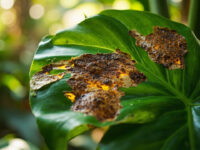
If you assumed yellow leaves mean the plant needs more water, that guess is exactly backwards and it kills more philodendrons than drought does. Yellowing lower leaves, soft brown mushy stems, and soil that stays wet for over two weeks are classic overwatering signs, usually from soggy soil suffocating the roots.
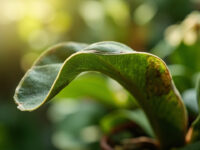
Underwatering shows up differently. Leaves curl inward, edges turn crispy and brown rather than mushy, and the whole plant looks deflated but the soil is bone dry at depth.
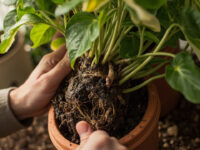
The honest tell-apart move is simple: pull the plant slightly to check the soil moisture at the root ball, not just the surface. Wet and mushy at the base means cut back on water and check for root rot at the next repot. Dry and light means water now and check more often going forward.
Root rot, once it sets in past the mushy-stem stage, often means cutting away the damaged roots and starting fresh in new soil rather than saving the whole plant, so catching this early matters.
Once you can tell these two apart on sight, the last variable left is the calendar itself.
Adjusting the Schedule Through the Seasons
Philodendrons slow down in fall and winter as light drops, and their water needs drop right along with growth. Expect to stretch watering to every 10 to 14 days, sometimes longer near a cold window.
Spring and summer growth flips this fast. As new leaves push out, the plant is using more water to support that growth, and you may find yourself back to a weekly rhythm almost overnight.
Heating and air conditioning both dry indoor air and soil faster than people expect, so a philodendron near a vent may need checking more often than one across the room, regardless of season.
Match the check to the season rather than the clock, and you will rarely be caught off guard either direction.
Philodendron at a Glance
- How often to water: every 7 to 10 days in bright rooms, stretching to 12 to 14 days in lower light or cooler temperatures, always checked rather than assumed.
- How to check: finger test to the second knuckle, confirmed by pot weight once you learn the plant’s dry versus watered feel.
- How to water: soak thoroughly until water runs from drainage holes, then empty the saucer after 10 minutes.
- Overwatering signs: yellow lower leaves, mushy soft stems, soil that stays wet past two weeks.
- Underwatering signs: curling leaves, crispy brown edges, bone dry soil at depth, plant perks up within hours of a good soak.
- Pot and soil: chunky, well draining aroid mix in a pot with drainage holes, terra cotta if you tend to overwater, plastic or glazed ceramic if you tend to underwater.
- Seasonal shift: water more often during active spring and summer growth, less often in fall and winter dormancy.
Skip the fixed schedule and check the soil instead, every single time.
That one habit prevents more philodendron deaths than any other piece of advice you will read.