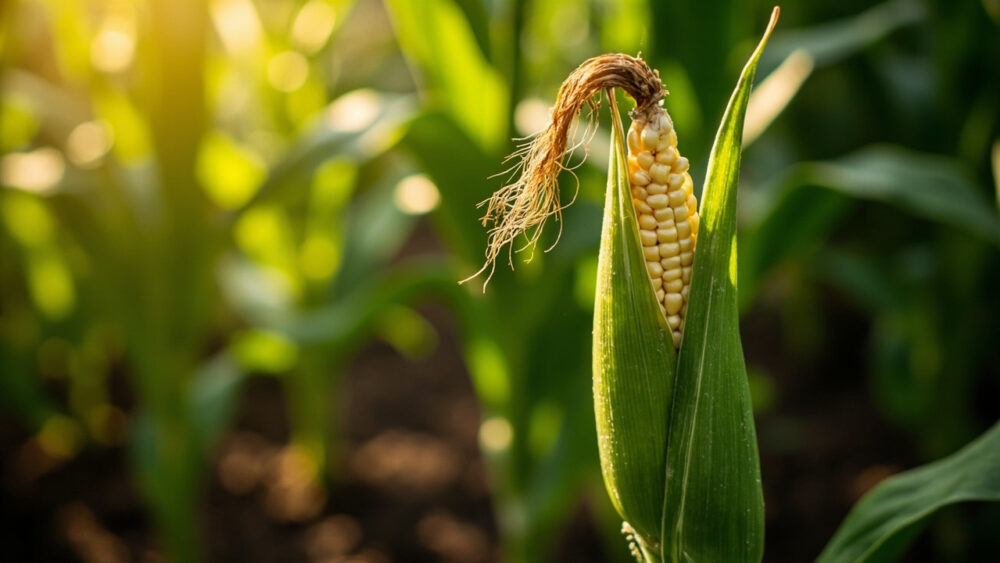
Sweet corn takes about 60 to 100 days from seed to harvest, depending on the variety, with most standard types landing in the 70 to 85 day range. That is the number on the seed packet, but it is only honest if your soil and weather cooperate. A cold spring or a shady bed can stretch that timeline by weeks without anything being wrong with your plants.
How long does it take to grow sweet corn in your actual yard, though, not on the packet? That depends on a few things most gardeners get wrong the first time around, especially the mistake of planting too early in cold soil, which does not speed anything up and often sets you back further than waiting would have.
Below, the stage-by-stage timeline, what actually controls the speed, how to tell if your corn is behind schedule for a real reason or just doing what corn does, and a save-able quick-reference card at the very bottom with the numbers side by side.
The Realistic Timeline, Start to Finish
Sweet corn varieties split into three speed classes. Early varieties mature in 60 to 70 days, mid-season types run 70 to 80 days, and late varieties take 80 to 100 days. Bicolor and white sweet corn tend to run a touch slower than yellow types, though the difference is usually just a few days.
That clock starts when the seed actually germinates, not when you drop it in the ground. In warm soil that happens in 5 to 7 days. In cool soil it can take 10 to 14, and that lag adds directly onto your harvest date even though the packet does not account for it.
So the honest range for most home gardeners, seed to first ripe ear, is 70 to 95 days in practice.
What Actually Controls the Speed
Soil temperature matters more than the calendar. Corn seed wants soil at 60 degrees Fahrenheit or warmer to germinate reliably. Below that it sits and sulks, or rots before it ever sprouts. Planting two weeks after your last frost date, once the soil has genuinely warmed rather than just the air, almost always beats planting the day the frost risk ends.
Heat during the growing season speeds things up considerably. Corn is a warm-season crop that thrives on daytime temperatures in the 70s and 80s. A cool, gray summer can add a week or more to the total.
Sun and water do the rest of the work. Corn wants full sun, at least six hours and ideally more, and consistent moisture, especially once it starts forming tassels and ears.
Get those three right, warm soil, real heat, steady sun and water, and you land near the fast end of the range.
Reading the Stages as They Happen
Knowing what each stage should look like tells you if you are on schedule. Here is the rough breakdown for a mid-season variety:
- Germination and emergence: days 5 to 10, a single spear-like leaf pushes through the soil
- Vegetative growth: days 10 to 40, the plant builds height and leaves, reaching knee to waist high
- Tasseling: around day 45 to 55, the pollen-bearing tassel appears at the top
- Silking and pollination: a few days after tasseling, silks emerge from the ear tips and catch falling pollen
- Ear fill: the next 18 to 22 days, kernels swell and fill with milky liquid
- Harvest: when the silks have browned and dried and the husk is still tight and green
The silk color is the tell almost everyone misreads.
The Milk Test Beats Guessing by the Calendar
If you assumed brown silks alone mean the corn is ready, that guess leaves a lot of ears picked too early or too late, because silk color varies by a few days depending on weather. The real test is the kernel itself.
Peel back a small section of husk on one ear and pierce a kernel with your thumbnail. If it squirts a milky white liquid, it is ripe now. Clear liquid means wait a few more days. Thick, pasty liquid means you waited too long and the sugars have already started converting to starch.
Do this test on one ear per stalk cluster rather than guessing for the whole patch, since ears on the same plant can ripen a day or two apart.
That small check saves more disappointing harvests than any other single habit.
How to Legitimately Speed It Up
A few things genuinely shave days off the timeline. Choosing an early variety is the single biggest lever, saving two to three weeks compared to a late one. Black plastic mulch warms the soil faster in spring, letting you plant a bit sooner without the seed sitting cold. Full sun placement and consistent watering keep growth from stalling, which is the main hidden cause of a slow crop.
A few things do not work, no matter how tempting. Extra nitrogen will not rush pollination or ear fill, it just makes taller, leafier plants. Planting closer together to get more ears sooner backfires, since crowded corn competes for water and light and everything slows down together. And starting seed indoors rarely helps, because corn resents transplanting and the root disturbance usually costs you more time than it saves.
Genetics and warmth move the timeline, tricks and shortcuts mostly do not.
When Slow Growth Is Normal, and When It Is a Problem
Corn that looks stalled for the first two to three weeks after planting is usually fine. It puts energy into roots before it puts on visible height, and a cool spring stretches that quiet period further. As long as the leaves are green and new leaves keep appearing, give it time.
Real trouble looks different. Yellowing lower leaves that do not green back up after a feeding often mean a nitrogen shortage, since corn is a heavy feeder. Purple-tinged leaves in cool weather are usually just a temporary phosphorus response to cold soil and clear up on their own as it warms. Stunted, pale plants across the whole bed more often point to compacted soil or poor drainage than anything wrong with the seed.
If only a few stalks are behind while the rest of the row is on track, that is normal plant-to-plant variation, not a crop failure.
Here is the whole timeline condensed into one card worth screenshotting.
Sweet Corn: Quick Reference
- Total time: 60 to 100 days from seed to harvest, most standard varieties fall between 70 and 85 days
- Germination: 5 to 7 days in soil at 60 degrees Fahrenheit or warmer, 10 to 14 days in cooler soil
- Tasseling and silking: begins around day 45 to 55, signals pollination is underway
- Ear fill after silking: 18 to 22 days until ears are typically ready to check
- Ripeness test: pierce a kernel, milky white liquid means ready now, clear means wait, thick and pasty means past peak
- Speed factors: variety choice, soil warmth at planting, full sun, and steady water matter most, extra nitrogen and tight spacing do not speed things up
Corn keeps its own schedule, but now you know how to read it.
Pick an early variety if your season runs short, and check the kernel before you check the calendar.