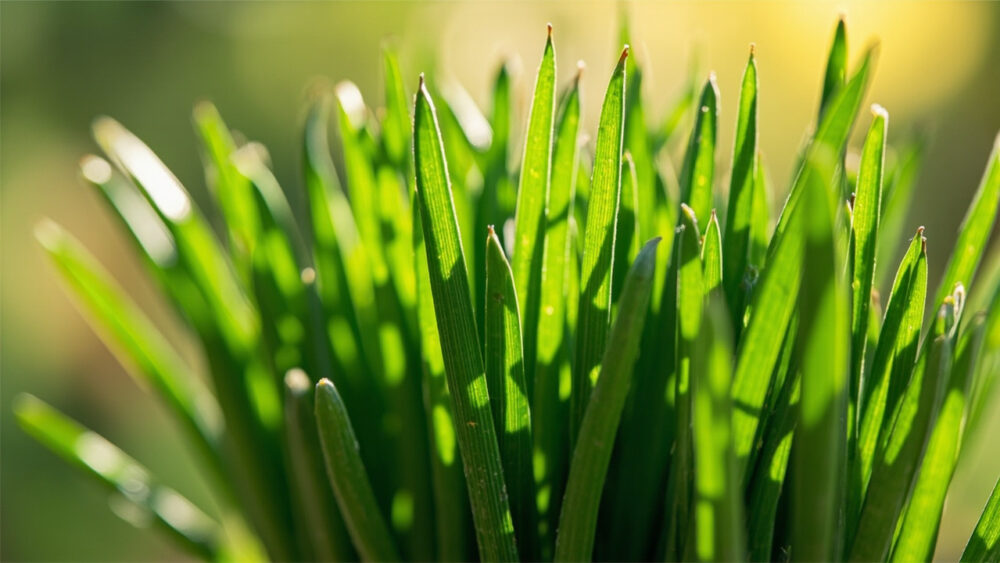
Yes, you can freeze chives, and it is honestly the best way to preserve them since drying strips out most of their flavor. Chop them fresh, skip the blanching, and freeze them loose on a tray or packed into ice cube trays with a little water or oil. Done right, they hold real onion-chive flavor for eight to twelve months.
But there is one step nearly everyone skips that turns their frozen chives into green slush by week two, and one storage container that seems logical but is actually the worst choice you can make. There is also a honest answer waiting for the question right behind this one: does freezing chives work as well as freezing other herbs, or are chives a special case?
Stick around for the full method, because the Chives at a Glance card at the bottom has the exact timing, prep, and storage specifics saved in one place so you do not have to hunt for them again.
The Best Method: Chop Fresh, Freeze Loose or in Cubes
Chives freeze best chopped, not whole. Whole frozen chive stalks turn to mush the second they thaw and are nearly impossible to portion.
Snip fresh chives into quarter-inch pieces with kitchen scissors, right onto a cutting board or straight into a bowl. Spread the chopped pieces on a parchment-lined baking sheet in a single layer and freeze uncovered for about an hour, until firm. This flash-freeze step keeps the pieces separate instead of clumping into one green brick.
Once firm, transfer them to a freezer bag or rigid container, pressing out as much air as possible. Label it with the date. This loose-pack method is what lets you pinch out a tablespoon at a time later without thawing the whole batch.
The ice cube method works too, and it is arguably better for cooking use.
The Ice Cube Trick, and When It Beats the Loose Freeze
Pack chopped chives into an ice cube tray, filling each compartment about two-thirds full, then top with water or olive oil and freeze solid. Pop the cubes into a labeled freezer bag once they set.
Oil-packed cubes are better for cooking straight into soups, sauces, or a hot pan, since the oil helps carry flavor and you skip the watery dilution. Water-packed cubes are fine for soups and stews where a little extra liquid does not matter.
What you lose with cubes is flexibility. You cannot sprinkle a frozen cube over a baked potato or into scrambled eggs the way you can with loose-frozen chopped chives. Pick the method based on how you actually cook, not on which one sounds more clever.
Either way, chives skip a step that trips people up on almost every other frozen vegetable or herb.
Do You Need to Blanch Chives First? No, and Here Is Why That Matters
If you assumed chives need blanching before freezing like green beans or broccoli, that guess costs you the one thing chives are worth freezing for: their flavor.
Blanching is meant to stop enzyme activity in dense vegetables so they do not go mushy or develop off flavors in the freezer. Chives are thin, hollow, and delicate. Blanching destroys their flavor entirely, leaving you with pale green freezer filler that tastes like nothing.
Skip it. Freeze chives raw, right after chopping. This is also why chives are different from heartier herbs like rosemary or thyme, which can take a quick blanch without much loss. Chives cannot.
Washing is the other step people get wrong, and it happens before any of this.
Prep That Makes or Breaks the Batch
Wash chives only if they are actually gritty or dusty, and dry them completely before chopping. Excess water is the single biggest reason frozen chives clump into an unusable block or turn slimy.
Pat them dry with a towel or run them through a salad spinner, then let them air dry another few minutes on the counter. Any lingering moisture freezes into ice crystals that rupture the plant cells even more than freezing alone does, which speeds up the mushy texture you are trying to avoid.
Cut off and discard the tough white base near the roots. Use only the hollow green stalks, and if any flower buds are attached, those get frozen and used too, chopped fine.
Once they are dry, chopped, and flash-frozen, the clock on quality starts ticking, and it runs differently than you might expect.
How Long Frozen Chives Actually Keep
Frozen chives stay safe to eat indefinitely in a freezer held at 0 degrees Fahrenheit, but safety is not the same as quality. For real flavor, use them within eight to twelve months.
Fresh chives on the counter last only a day or two before wilting. In the fridge, wrapped loosely in a damp paper towel inside a bag, they hold decent quality for one to two weeks.
Compare that to a well-packed freezer batch, and freezing is clearly the better long game if you grow more chives than you can eat fresh.
After about a year, frozen chives will not spoil, but the flavor fades to something closer to grass than onion. That fade is gradual, not a cliff, so there is no single day things go bad.
Knowing when they have actually turned matters more than knowing the calendar date you froze them.
The Signs Frozen Chives Have Turned
Freezer-burned chives look dull, grayish, or dried out at the edges, and they smell faint or musty instead of sharp and oniony. That is a quality problem, not a safety one, and you can still use them, though the flavor payoff shrinks fast.
A genuinely spoiled batch is rare in a freezer, but if chives ever develop a sour, off smell, visible mold, or slime after thawing, that points to moisture getting in before freezing or a container that was not sealed well. Toss that batch rather than risk it.
Ice buildup inside the bag is your early warning sign of air exposure. Press the air out next time and reseal tighter.
Most ruined batches, though, do not fail because of time. They fail because of a handful of avoidable mistakes made on day one.
The Mistakes That Ruin a Batch
These are the errors that turn a good freezer stash into a wasted afternoon:
- Freezing them wet: excess water causes clumping and slimy texture on thaw.
- Blanching them: it wipes out the delicate flavor chives are grown for.
- Skipping the flash-freeze step: chopped chives dumped straight into a bag freeze into one solid clump you have to hack apart with a knife.
- Using a thin bag with air still inside: air exposure causes freezer burn within a couple of months instead of a year.
- Forgetting to label with a date: you lose track of which batch is fresh and which has been in there since last summer.
- Thawing before use: chives go limp and watery once thawed, so add them frozen, straight into the pan or bowl.
Avoid those six mistakes and a batch of frozen chives will genuinely reward you all winter.
Chives at a Glance
- Best freezing method: chop fresh, flash-freeze on a tray for about an hour, then pack into a sealed bag or container.
- Alternative method: pack chopped chives into ice cube trays with water or oil, freeze solid, then bag the cubes.
- Blanching needed: no, blanching ruins the flavor, freeze them raw.
- Fridge storage: one to two weeks, wrapped loosely in a damp paper towel inside a bag.
- Counter storage: one to two days before wilting.
- Freezer storage: safe indefinitely at 0 degrees Fahrenheit, best flavor within eight to twelve months.
- Use straight from frozen: add directly to hot food, do not thaw first.
The whole method comes down to two habits: keep them dry going in, and skip the blanch entirely.
Get those two things right and a single pot of chives can season your kitchen straight through winter.