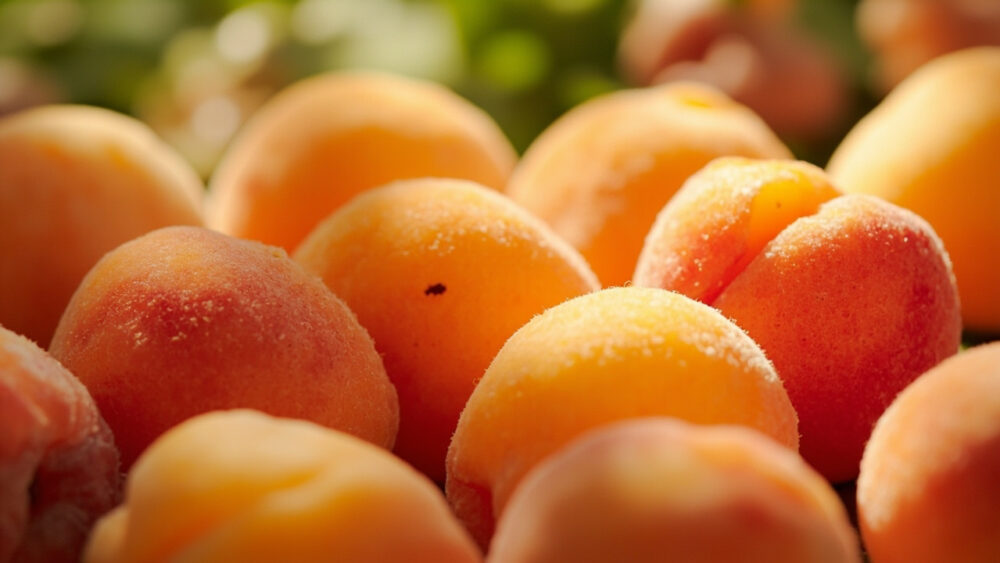
The fastest way to sort out the different types of apricots is by chill hours and pit taste, not by name recognition. Some apricots need 600 to 1,000 hours of winter cold below 45°F to fruit well, which rules them out for mild-winter regions no matter how good the reviews are. Others carry a sweet almond-flavored kernel inside the pit, which is a genuinely different eating experience than the standard apricot everyone assumes they’re getting.
Most home gardeners reach for the same one or two nursery-tag varieties for the wrong reason, mostly because it’s what’s in stock, not because it fits their climate. Meanwhile there’s a quiet cluster of old varieties that experienced growers plant specifically because they dodge late frost better than the famous ones. Number 13 on this list is the one most people get completely backwards when they’re shopping, so keep scrolling for that.
The final entries below cover the low-chill options and the ones bred specifically for frost survival, and after that there’s a straight, save-able method for picking the right apricot for your yard. That part’s at the bottom, so stick with the list.
Classic Orchard Apricots
These are the varieties most nurseries stock first, and for good reason: reliable flavor, decent size, wide adaptability.
1. Blenheim
The benchmark flavor apricot that most “dried apricot” taste memories actually come from. It needs a genuine winter (around 500 to 600 chill hours), ripens in early to mid summer, and the fruit bruises easily enough that commercial growers dropped it even though home gardeners still swear by it.
2. Moorpark
An old English variety with large, deep orange-red fruit and rich, almost honeyed flavor. It’s self-fruitful, grows to 15 to 20 feet unpruned, and does best in zones 5 through 8 where it gets a real dormant season.
3. Tilton
The freestone workhorse apricot, bred originally for canning and drying. The flesh pulls cleanly from the pit, the tree is vigorous and forgiving of mediocre soil, and it tolerates more heat than Blenheim without losing much flavor.
4. Wenatchee Moorpark
A hardier selection of the Moorpark line, bred for the colder Pacific Northwest growing regions it’s named after. Expect firmer flesh than true Moorpark and slightly later bloom, which helps it dodge a few late frosts.
Those four cover the reliable middle ground, but the sweeter specialty types ask more of your climate.
Sweet-Pit and Dessert Apricots
This group is for gardeners chasing intense sweetness or something to eat fresh off the tree rather than can.
5. Perfection
A large, mild-flavored apricot bred more for size and looks than intensity. It’s a good pick if you want fruit that holds up well for slicing and eating fresh, though the flavor is a step behind Blenheim.
6. Goldcot
A firm, freestone canning apricot that’s also reliably productive even where spring weather is unpredictable. It self-pollinates, tolerates zone 4 winters better than most, and the fruit holds its shape well when cooked.
7. Katy
An early-ripening, low-chill option that also happens to be genuinely sweet, which is rare in low-chill varieties. It needs only around 300 chill hours, making it one of the better choices for warmer zones that still want dessert-quality fruit.
8. Chinese (Mormon)
A heavy, reliable bloomer often used as a pollinator tree because its blossoms open over a longer window than most varieties. The fruit itself is smaller and tangier, closer to a wild apricot flavor, and the tree tolerates a wide range of soils.
If sweetness is the goal, those four deliver it, but the next group solves a completely different problem: surviving spring.
Cold-Hardy and Frost-Dodging Types
Apricots bloom early, which means the real enemy most years isn’t winter cold, it’s a late frost hitting open blossoms. These varieties either bloom later or tolerate cold better once dormant.
9. Sungold
A cold-hardy, self-fruitful apricot bred for northern climates, reliably productive down into zone 4. It needs a second variety nearby for best pollination even though it’s technically self-fruitful, since cross-pollination noticeably boosts fruit set.
10. Moongold
Paired almost always with Sungold, this is the other half of a classic northern planting duo. Its blossoms open a few days apart from Sungold’s, which spreads out frost risk across the bloom period instead of betting everything on one night.
11. Manchurian Bush Apricot
A genuinely different plant from standard orchard apricots, this is a cold-tolerant shrub form hardy into zone 2, grown as much for ornamental spring bloom as for fruit. The fruit is smaller and tarter, and it’s a solid choice if space is tight or winters are brutal.
12. Harglow
Bred specifically for disease resistance and reliable cropping in humid eastern climates where apricots often struggle with brown rot. It blooms a little later than most, which also happens to dodge a fair number of early frosts.
Cold and frost are one obstacle, but the next entry solves the opposite problem, and it’s the one people misjudge most.
Low-Chill and Warm-Climate Apricots
If you’ve assumed all apricots need a hard winter to fruit, that guess is exactly what trips up gardeners in zones 8 and 9.
13. Blenheim’s reputation misleads warm-climate buyers into planting it anyway, then wondering why fruiting is spotty for years. The real fix is choosing a true low-chill variety from the start, and Gold Kist is the one to reach for instead.
Gold Kist needs only around 300 chill hours, making it one of the few apricots that fruits reliably in mild-winter regions like coastal California and the warmer parts of the Southeast. It ripens early, has decent but not exceptional flavor, and it’s genuinely self-fruitful, so one tree is enough.
14. Royal Rosa
Another true low-chill selection, bred for warm regions but with noticeably better sweetness than most in this category. It’s a smaller tree, which also makes it a reasonable choice for a large container if ground space is limited.
15. Aprium and Pluot-adjacent hybrids (Cot-N-Candy type)
Technically apricot-plum crosses rather than pure apricots, but worth knowing because nurseries shelve them right next to true apricots and the tags can blur together. These need a plum or apricot pollinator nearby, ripen later than most straight apricots, and the flavor runs sweeter and less tart, closer to a plum.
That covers the full list, so here’s the part that actually tells you which one to plant.
How to Choose the Right One
- Space: standard trees run 15 to 20 feet unpruned, dwarf and bush types like Manchurian stay under 10 feet, so measure before you fall for a variety name.
- Climate and chill hours: count your typical winter hours below 45°F, then match that to the variety’s chill requirement rather than its popularity.
- Frost timing: if your springs bring late cold snaps, prioritize later-blooming or paired varieties like Sungold and Moongold over early bloomers.
- Purpose: pick freestone types like Tilton or Goldcot for canning and drying, and dessert types like Blenheim or Royal Rosa for fresh eating.
- Pollination needs: most apricots are self-fruitful, but a second variety nearby almost always increases fruit set, especially with Sungold and the hybrid types.
- Care appetite: humid-climate growers should lean toward disease-resistant types like Harglow rather than fighting brown rot every wet spring.
Match the tree to your winter first, then to your kitchen, and the rest sorts itself out.
Plant with real chill-hour numbers in hand, not just a nice photo on the tag.