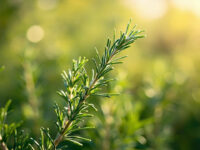
Catnip care comes down to four things: full sun to light shade, soil that drains fast, water only when the top inch dries out, and a hard pruning once it starts flopping. Get those four right and catnip grows like the weed it basically is, no fussing required. Skip one, usually the drainage, and you get a leggy, root-rotted mess that never fills out.
That sounds simple, and it mostly is. But there’s one mistake that takes down more catnip plants than any pest ever will, a sign of “thriving” that most people actually read backward, and a question about your cat that you’re probably already wondering. All three are answered below.
Stick around to the end for the Catnip at a Glance card, the kind of thing worth screenshotting before you walk back out to the garden.
Light, Placement, and Temperature
Catnip wants at least 6 hours of direct sun, though it tolerates partial shade better than most herbs, especially in hot southern climates where afternoon sun scorches the leaves. In zones 3 through 9, it’s a reliable perennial and comes back every year from the same root system. Pick a spot with airflow, since crowded, still air invites the powdery mildew this plant is prone to.
Temperature-wise, catnip is tough. It handles light frost fine once established and doesn’t sulk in heat the way basil does. The bigger placement issue isn’t weather, it’s neighbors: plant it where cats can’t flatten your other herbs rolling around in ecstasy nearby.
If you’re growing it specifically for your cat, consider a raised bed or large container, not open ground.
That container decision matters more than most people realize, and it’s tangled up with the drainage mistake mentioned above.
Soil, Pots, and the Drainage Mistake That Kills Most Attempts
Catnip is not a rich-soil plant. It actually performs worse in heavily amended, moisture-retentive beds than in average, slightly poor soil, as long as that soil drains fast. The number one killer is soggy, compacted dirt, not cold, not pests, not neglect.
If planting in ground, work in some coarse sand or grit if your soil holds water. In containers, use a standard potting mix with extra perlite, and make sure the pot has real drainage holes, not just a token one.
Skip heavy feeding. A light application of compost once in spring is plenty. Fertilize hard and you get soft, floppy, disease-prone growth instead of the tough, aromatic foliage you actually want.
Feeding it too well backfires, and so does watering it the way you’d water a thirstier herb.
Watering: Less Than You Think
Water catnip when the top inch of soil is dry to the touch, then soak it thoroughly and walk away. Established plants in the ground often need nothing beyond rainfall except in genuine drought stretches. Potted catnip dries faster and may need water every 4 to 7 days in summer heat, less in spring and fall.
The visual cue for underwatering is simple: leaves go limp and dull, then perk right back up within an hour of a good soak. That’s a plant telling you it’s fine, just thirsty.
Overwatering looks different and is harder to walk back. Yellowing lower leaves, a sour smell at the soil surface, and stems that go soft near the base all point to root rot, and by the time you see it, you’re often looking at starting a new plant rather than saving the old one.
Get the water right and the next question is how often you should be cutting this thing back.
Pruning, the Real Way to Keep It From Flopping
Here’s the sign most people misread: catnip going tall and rangy with sparse leaves looks like a plant that needs more fertilizer or more water. It’s actually a plant that needs a haircut. Cut it back hard, by a third to half, whenever it starts flowering or flopping over, which for most gardeners means every 4 to 6 weeks through the growing season.
This isn’t gentle pinching. Take shears to it. Catnip responds to aggressive pruning by pushing out dense, fresh growth from the base, which is also the leafiest, most potent growth if you’re harvesting for your cat.
Cut it to about 3 to 4 inches above the soil in early spring as new growth starts, and again anytime through fall if it gets shaggy. Established clumps also benefit from division every 2 to 3 years in spring, since the center tends to woody out and stop producing well.
A well-pruned plant also happens to be the plant least likely to attract the two problems that actually bother catnip.
Problems Worth Watching For
Catnip is genuinely low-trouble, but two issues show up often enough to name:
- Powdery mildew: a white, dusty coating on leaves, usually from crowded plants and poor airflow. Thin the planting, water at the soil instead of overhead, and remove badly affected leaves. A fungicide labeled for powdery mildew on herbs can help; always follow the product label exactly.
- Aphids and spider mites: look for curled leaves, stippling, or fine webbing. A strong water spray knocks most infestations back, and insecticidal soap handles the rest, again following label directions.
- Root rot: soft, dark stems at the soil line, usually from overwatering or poor drainage. Prevention beats treatment here; there’s rarely a fix once it’s advanced.
None of these show up much on a healthy, well-drained, well-pruned plant, which brings up the real test of whether yours is thriving.
The Honest Sign of a Thriving Plant
Most people assume a catnip plant is thriving because it’s huge. It’s not the size that matters, it’s the density. A truly healthy plant is bushy from the base up, with short internodes, meaning the leaves are close together on the stem rather than stretched out with bare gaps.
Sparse, tall, and gangly, even if it’s three feet high, usually means too much shade, too much nitrogen, or too little pruning. Compact and leafy, even at half that height, is the plant you actually want.
Scent is the other honest tell. Crush a leaf between your fingers. A strong, minty-pungent smell means good oil content and a plant your cat will actually care about. A weak or grassy smell usually means too little sun.
And since most people growing this plant have a cat in mind, it’s worth answering the question you’re probably already sitting on.
Is Catnip Safe Around Cats and Other Pets
Catnip (Nepeta cataria) is non-toxic to cats and is the whole reason most people grow it. The reaction, rolling, drooling, brief zoomies, is normal and short-lived, usually fading within 10 to 15 minutes.
It’s generally considered non-toxic to dogs as well, though dogs don’t typically respond to it the way cats do, and eating large quantities of any plant material can cause mild stomach upset in either species.
If a pet ever eats an unusual amount of any plant and shows vomiting, lethargy, or other concerning symptoms, call your veterinarian rather than waiting it out at home.
With the safety question settled, here’s everything above condensed into the card worth keeping.
Catnip at a Glance
- When to plant: after your last frost once soil has warmed, or start indoors 6 to 8 weeks earlier.
- Spacing and depth: 18 to 24 inches apart, seeds sown just 1/8 inch deep since they need light to germinate.
- Light: full sun to light shade, at least 6 hours direct sun for the strongest scent and growth.
- Water: only when the top inch of soil is dry, deep soak then let it dry out again.
- Soil: average to poor, fast-draining, avoid rich or heavily amended beds.
- Pruning: cut back by a third to half every 4 to 6 weeks, hard cut to 3 to 4 inches in early spring.
- Hardiness: perennial in USDA zones 3 through 9, tolerates light frost once established.
If you remember nothing else, remember this: catnip fails from too much care, not too little.
Water less, prune harder, and let poor soil do the work you’d otherwise be doing with fertilizer.